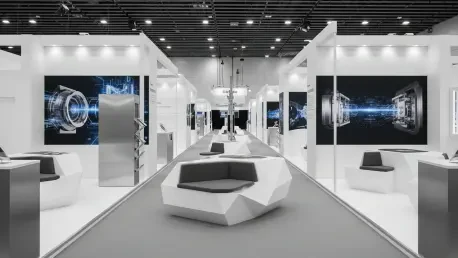

The selection of the British Motor Museum in Warwickshire as the official venue for the November 2026 Make UK Defence Summit marks a pivotal moment for the national defense manufacturing sector. This choice reflects the substantial growth of an industry that currently supports hundreds of specialized enterprises and plays a fundamental role in national security. As a major trade association representing nearly 900 defense manufacturers, Make UK Defence continues to drive the sector forward by creating high-value networking opportunities.
This article explores the strategic shift to this new venue and the broader implications for the defense supply chain. Readers can expect to learn about the specific features of the 2026 summit, including the expanded “Meet the Buyer” program and the inclusion of diverse stakeholders from government and finance. By examining these elements, the narrative highlights how the event serves as a critical catalyst for innovation and procurement within the United Kingdom.
Key Questions and Industry Topics
Why Was the British Motor Museum Chosen for the 2026 Summit?
The decision to relocate to the British Motor Museum stems from the summit’s extraordinary expansion, which has seen the event triple in size over the last few years. As the gathering evolved into a premier national forum, organizers recognized the need for a facility that could provide both scale and security. The museum’s specialized conference suite is uniquely equipped to handle the logistical demands of 600 delegates while offering a professional atmosphere that aligns with the high-stakes nature of defense discussions.
Beyond its capacity, the venue provides a centralized location that accommodates the diverse geographic spread of UK manufacturing. The site supports a seamless flow between keynote areas and exhibition zones, ensuring that technical demonstrations and policy debates can occur simultaneously. This move signals a trend toward using versatile, high-capacity spaces to meet the increasing demand for in-person collaboration among small and medium-sized enterprises.
What Strategic Opportunities Does the Summit Provide to Manufacturers?
At the heart of the event lies the “Meet the Buyer” program, a structured initiative designed to break down barriers between smaller suppliers and major industry players. This program historically facilitates hundreds of one-on-one sessions, allowing specialized manufacturers to pitch their innovations directly to decision-makers. Such interactions are vital in an industry where procurement processes are often complex and difficult to navigate without established connections.
Moreover, the summit integrates policymakers and financial institutions into the conversation to address the economic and regulatory challenges facing the sector. Panel discussions and keynote addresses from technology figures provide participants with a roadmap for navigating upcoming industry shifts. This multi-faceted approach ensures that the summit is not merely a trade show but a comprehensive platform for shaping the future of British defense policy and innovation.
Summary of Event Insights
The transition to the Warwickshire venue confirmed the growing influence of the defense supply chain on the national economy. By hosting 550 delegates and a wide array of exhibitors, the summit successfully bridged the gap between niche manufacturers and global buyers. Key takeaways emphasized the importance of face-to-face networking and the role of trade associations in fostering a resilient manufacturing ecosystem. Furthermore, the commitment to corporate social responsibility was reinforced through significant charitable contributions, demonstrating the industry’s broader impact on society.
Final Reflections
The 2026 summit demonstrated that the future of defense manufacturing relies on a unified front between technology leaders and government stakeholders. Industry professionals should now consider how these emerging procurement trends and strategic partnerships will influence their own operational models. Looking ahead, the focus must shift toward maintaining this momentum by investing in the next generation of manufacturing talent and continuing to advocate for streamlined supply chain policies. Engaging with these national platforms will remain essential for any enterprise seeking to thrive in an increasingly competitive global market.