

Dubai, a major air transit hub and luxury travel destination, had just recently celebrated a record-breaking year with nearly 20 million international visitors. However, the latest episode of geopolitical instability threatens to undo years of strategic market positioning . The sudden escalation of

Hospitality has reached a defining moment, where the integration of the Internet of Things (IoT) has moved from an optional amenity to a core infrastructure that determines brand competitiveness. As global travelers get used to smart, app-based control in their daily lives, they expect that same

Hotels that fail to integrate AI at the heart of their operations are already falling behind. AI adoption in hospitality is projected to increase by 60% yearly , yet many hotels still treat it as a tool for automation rather than a game-changer for operations. By focusing only on marginal
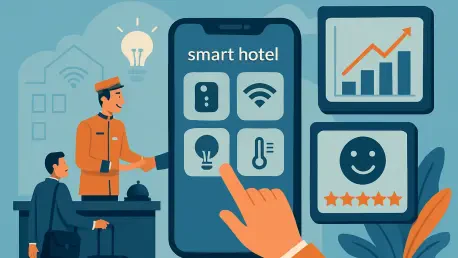
Over 60% of travelers expect and value real-time personalization without having to ask. Yet most hotels still rely on disconnected tools like app-based check-ins and smart thermostats. Convenient, but not intelligent. A smart hotel isn’t about adding more gadgets; it’s about creating a predictive

The travel industry is chasing a trillion-dollar prize with a broken map. Travelers no longer book a destination. They are looking for an unforgettable experience . They crave authentic, memorable moments, from a local cooking class in a private home to a guided hike through an unfamiliar

The global travel industry is forecasting a decade of unprecedented growth. Projections indicate that the sector's value will surpass $16 trillion by 2035 , outpacing the global economy's growth. On the surface, this is a triumphant comeback story. But for hospitality leaders, this celebration is