
The modern intersection of high-concept cinema and fast-casual dining has reached a new pinnacle as Subway and Walt Disney Studios launch an expansive partnership to celebrate the live-action reimagining of Moana. This collaboration marks a major milestone, occurring exactly one decade after the original animated film captivated global audiences and redefined the modern Disney heroine. The campaign is meticulously designed to generate momentum for the film’s theatrical release on July 10, 2026, by integrating the “wayfinding” spirit of the movie into the everyday dining experience of millions of Subway patrons across the United States.
By leveraging the immense cultural capital of the Moana franchise, Subway aims to position itself as the primary dining destination for families during the height of the summer blockbuster season. This partnership is not merely a promotional gimmick; it is an exploration of how digital entertainment and physical retail can merge to create a seamless consumer journey. This analysis delves into the multifaceted layers of the campaign, ranging from tangible collectibles and financial incentives to immersive digital storytelling and physical store transformations, setting expectations for what fans and diners can expect in the coming months.
The relevance of this alliance extends beyond a simple meal discount, reflecting a deeper trend where major food chains act as cultural touchpoints for massive media properties. As consumer habits shift toward demand for more interactive and value-driven experiences, the ability of a brand to offer “bonus content” alongside a physical product becomes a key differentiator. The following sections will explore the mechanics of this deal and how it serves as a blueprint for the future of cross-industry marketing.
The Cultural Legacy of Motunui and the Evolution of Retail Synergy
To understand the significance of this partnership, one must look back at the historical impact of the 2016 animated Moana. The film was a global phenomenon, praised for its musical score and its respectful celebration of Polynesian culture. In the years since, Disney has shifted its focus toward high-budget live-action reimaginings of its animated classics, a strategy that has seen varying degrees of success. By choosing Moana for this treatment, Disney is banking on a “slow-burn” nostalgia that appeals to both the original viewers, who are now young adults, and a new generation of children.
Subway’s involvement represents a broader industry shift where fast-casual dining brands act as micro-billboards for major studio releases. Historically, movie tie-ins were limited to plastic toys in kids’ meals. However, the modern landscape requires a more sophisticated approach. Past developments in the industry have shown that consumers now demand “experience-based” value—meaning they want more than just a meal; they want a connection to the stories they love. This historical context is essential for understanding why Subway and Disney are focusing on high-value rewards like subsidized movie tickets rather than just simple trinkets.
Furthermore, the timing of this release coincides with a period where theatrical attendance is highly sensitive to the perceived value of the “event” itself. By anchoring the promotion in a story about exploration and discovery, the brands are not just selling sandwiches and movie tickets; they are selling an adventure. This approach moves the consumer relationship from a transactional one to an emotional one, which is vital for maintaining brand loyalty in a crowded marketplace.
Tangible Rewards and the Mechanics of the Moana Movie Meal Deal
Collectible Value and the Fandango Financial Bridge
The heart of this collaboration is the Moana Movie Meal Deal, which officially launches on June 11, 2026. For a $1 upgrade fee added to any standard meal—including six-inch subs, footlongs, wraps, or salads—guests receive a dual-layered reward. The first is a tangible collectible: one of five limited-edition cups featuring high-quality artwork of central characters like Moana, Maui, the loyal pig Pua, and the eccentric rooster Heihei. These items are designed to encourage repeat visits as fans look to complete their sets, turning a standard beverage into a desirable artifact.
The second, and perhaps more impactful, component is the financial incentive provided through a collaboration with Fandango. Each cup features an embedded QR code that grants access to a $15 Fandango Promo Code. In an era of rising entertainment costs, this credit effectively subsidizes a significant portion of a movie ticket. For families purchasing two or more meal deals, the $30 total credit can cover the cost of two tickets, making the theatrical experience far more accessible to the average American household. This data-driven approach directly addresses consumer price sensitivity while driving foot traffic to Subway locations.
Moreover, the financial bridge created by Fandango serves as a massive conversion tool for the theater industry. By lowering the entry price for a family of four, the campaign ensures that the film’s opening weekend has a built-in audience of millions of Subway customers. This synergy demonstrates how physical retail can act as a powerful engine for digital and theatrical sales, creating a closed-loop ecosystem where every purchase at the restaurant leads directly to a seat in the cinema.
Creating an Immersive Retail Atmosphere Through Wayfinding
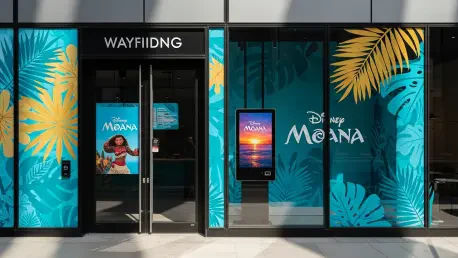
Subway and Disney have moved beyond traditional television commercials to create a “connected” marketing ecosystem that begins the moment a customer sees a restaurant. Utilizing “wayfinding-inspired” creative designs, Subway locations nationwide are undergoing a visual transformation. This includes theatrical window wraps and themed digital menu boards that transport customers into the vibrant world of Motunui. The goal is to make the act of ordering a sandwich feel like an extension of the cinematic journey through the Pacific Islands.
This immersive strategy extends into major retail hubs like Walmart, ensuring that the Moana-themed experience is visible in high-traffic shopping environments. Furthermore, the partnership utilizes digital touchpoints such as in-app takeovers on the Subway mobile platform and custom social media storytelling. By integrating the rhythmic and adventurous spirit of the story into the digital ordering process, the brands maintain engagement with the audience long before they ever step into a movie theater.
Such a strategy recognizes that the modern consumer lives in an omnichannel world. A customer might see a teaser on social media, interact with a themed menu board at Subway, and then use their Fandango credit to book a ticket on their phone. This seamless transition between digital and physical environments is the hallmark of a successful modern retail campaign. It ensures that the brand message is consistent and unavoidable, regardless of how the customer chooses to interact with the property.
Creative Continuity and Strategic Corporate Synergy
A critical aspect of this campaign is its emphasis on the film’s creative pedigree. Directed by Thomas Kail and featuring the return of Dwayne “The Rock” Johnson as Maui, the live-action film aims for high-tier production value. Subway highlights this “reimagining” to signal to customers that the movie is a prestige event. The involvement of original creators like Lin-Manuel Miranda ensures that the musical heart of the story remains central, which is reflected in the music-driven digital experiences offered through the Subway app.
Additionally, the campaign features a secondary layer of corporate synergy involving Frito-Lay. By promoting Simply Cheetos Puffs White Cheddar Flavor as part of the meal deal, Subway reinforces its commitment to quality ingredients—focusing on snacks with no artificial colors or flavors. This alignment helps Subway maintain its “Eat Fresh” brand identity while participating in a larger marketing web that involves some of the biggest names in the food and entertainment industries.
The inclusion of Simply Cheetos also speaks to a growing consumer preference for “cleaner” indulgence. By pairing a high-profile movie with a perceived “better-for-you” snack, Subway and Disney are appealing to health-conscious parents who are often the primary decision-makers for family outings. This layer of the partnership ensures that the campaign appeals to a wide demographic, from young fans of Maui to parents looking for a more wholesome dining option.
Navigating the Future of Experience-Based Dining Trends
As we look toward the future, the Subway and Disney partnership highlights several emerging trends that will likely shape the fast-casual industry. The most prominent is the shift toward “bonus” content and utility-based rewards. In a competitive market, brands are finding that loyalty is driven by rewards that provide real-world utility, such as the Fandango ticket credits. We can expect to see more partnerships where the purchase of a physical product unlocks a digital or experiential benefit, effectively gamifying the dining experience for a broader audience.
Technological advancements in QR code integration and mobile app “takeovers” are also set to become standard. As augmented reality and personalized marketing evolve, future meal deals may allow customers to interact with digital versions of film characters right at their table. From an economic perspective, these collaborations provide a safety net for big-budget films; by turning thousands of restaurant locations into promotional hubs, studios can ensure a level of brand saturation that traditional advertising cannot match. Expert predictions suggest that the “summer blockbuster” will increasingly be defined by these types of deep-integrated retail partnerships.
Moreover, the data collected from these digital interactions will prove invaluable for future marketing efforts. By tracking which characters are the most popular on the collectible cups or which regions see the highest redemption of Fandango codes, brands can tailor their future campaigns with surgical precision. This move toward data-driven, experiential marketing suggests a future where every meal is an entry point into a larger, personalized entertainment ecosystem.
Lessons in Modern Partnership and Consumer Engagement
The analysis of this partnership offers several major takeaways for both businesses and consumers. For professionals in marketing and retail, the primary lesson is the importance of omnichannel engagement. By combining physical collectibles with digital incentives and environmental marketing, Subway ensures it is present at every stage of the consumer’s daily routine. The strategy of building “slow-burn” anticipation nearly a month before the film’s release is a best practice for maximizing peak interest during the theatrical window.
For consumers, the actionable strategy is to understand the logistical requirements of these promotions to maximize value. The Moana Movie Meal Deal requires customers to retain and photograph their physical, itemized receipts to claim rewards through a dedicated portal. Because the offer excludes third-party delivery apps like DoorDash or UberEats, fans should prioritize using Subway’s proprietary digital channels or visiting in person. Staying aware of the specific timeline—running from June 11 to August 19, 2026—is crucial for those looking to take advantage of the $15 movie credits before they expire.
Additionally, professionals should note the power of simplicity in these offers. Despite the complex logistics behind the scenes, the consumer-facing message is clear: buy a meal, get a cup and a movie credit. This clarity is essential in a fast-paced retail environment where customers have little patience for overly complicated reward structures. The success of this campaign will likely depend on how easily the average user can navigate the reward portal to secure their theatrical discount.
Answering the Call of a New Cinematic Era
The collaboration between Subway and Disney for the live-action Moana functioned as a sophisticated model of modern retail marketing that went far beyond a simple sandwich promotion. By blending the practical need for a quick meal with the emotional and cultural appeal of a beloved story, the two brands created a comprehensive narrative experience. This partnership effectively addressed the modern consumer’s desire for both financial value and immersive entertainment, ensuring that the theatrical release of Moana was positioned as a major cultural event.
The campaign demonstrated that the “Eat Fresh” philosophy could coexist with high-fantasy storytelling to drive significant foot traffic. The strategic use of Fandango credits acted as a catalyst for theater attendance, proving that retail incentives remained one of the most effective tools for studio promotion. Whether through the collectible cups, the subsidized tickets, or the “wayfinding” atmosphere in-store, Subway and Disney successfully navigated the changing tides of consumer behavior. This topic remained significant because it represented the future of how food and media were consumed—not as separate activities, but as a unified, adventurous experience that began long before the lights dimmed in the theater.
Ultimately, the takeaways from this alliance suggested that future strategies must prioritize tangible value and digital ease of use. Brands that followed this blueprint found that they could capture the imagination of the public while securing measurable growth in market share. The campaign provided a clear roadmap for how to handle large-scale IP in a way that respected the source material while maximizing retail potential. As the industry moved forward, these lessons in synergy and consumer engagement provided the foundation for the next generation of experiential dining and cinematic marketing.