
The metamorphosis of the historic Coronado Fire Station into a premier event space represents a significant shift in how municipalities and private caterers collaborate to preserve local heritage while meeting the growing demand for unique, high-end gathering spots in coastal California. This transition is not merely about aesthetic updates but reflects a deeper commitment to sustainable urban development where aging infrastructure is granted a second life through specialized commercial partnerships. Personal Touch Dining has taken the helm of this transformation, ensuring that the legendary structure maintains its iconic status while offering a level of sophistication previously unseen in municipal properties. By blending the rugged, industrial history of the building with contemporary elegance, the venue has become a focal point for those seeking a sophisticated alternative to traditional hotel ballrooms. This project demonstrates how thoughtful design and culinary expertise can rejuvenate a community asset into a thriving economic engine.
Architectural Preservation and Functional Innovation
Honoring the Heritage of the Station
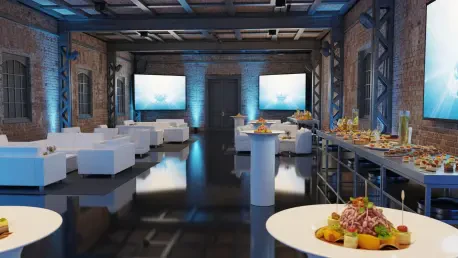
Maintaining the historical integrity of a mid-century municipal building requires a delicate balance between honoring the past and facilitating modern utility. The original red brickwork and the towering apparatus bay doors remain the centerpiece of the Coronado Fire Station, serving as a nostalgic backdrop for high-profile weddings and corporate galas. These elements provide a tangible connection to the community’s history, yet they have been meticulously restored to ensure they meet modern structural and safety standards. The interior spaces have been reimagined to maximize natural light, with the large glass-paned doors now serving as grand entryways that bridge the gap between the indoor hall and the coastal atmosphere outside. This approach ensures that guests feel the weight of the history surrounding them without sacrificing the comfort expected of a luxury venue. The result is a space that feels grounded in its environment, offering an authentic experience that newer, purpose-built structures often struggle to replicate for discerning clients.
Integrating State-of-the-Art Technology
Beyond the visible brick and mortar, the venue has been equipped with sophisticated technology that allows for a seamless event experience without detracting from the vintage charm. Professional-grade acoustics were a primary concern given the reflective nature of the original materials, leading to the installation of discreet sound-dampening panels and a high-fidelity audio system hidden within the architectural features. Lighting design has also seen a significant upgrade, with programmable LED systems that can transition from bright, professional settings for daytime seminars to warm, ambient hues for evening receptions. Climate control systems were integrated with minimal visual impact, ensuring that the large, open-volume space remains comfortable despite the fluctuations of California’s coastal weather. By embedding these modern necessities into the historical fabric of the building, Personal Touch Dining has created a versatile environment capable of hosting everything from high-tech product launches to intimate family celebrations with equal efficiency.
Strategic Partnerships in Event Management
Gastronomy Tailored to Coastal Environments
The culinary program at the Coronado Fire Station is designed to reflect the upscale yet relaxed nature of its location, focusing on locally sourced ingredients and innovative preparation techniques. Personal Touch Dining has developed a menu strategy that emphasizes seasonal freshness, often utilizing seafood caught in nearby waters and produce from regional boutique farms. This farm-to-table approach is supported by a high-capacity mobile kitchen infrastructure that allows for on-site preparation, ensuring that every dish is served at its peak quality. Rather than relying on static banquet menus, the catering team works closely with clients to curate bespoke dining experiences that complement the specific theme and tone of each event. Whether it is a multi-course plated dinner or a more casual interactive station setup, the focus remains on technical execution and visual presentation. This dedication to gastronomic excellence ensures that the food served is as memorable as the unique surroundings, reinforcing the venue’s reputation as a top-tier destination.
Streamlining Logistics for Modern Celebrations
Successfully operating a high-volume event space within a historic neighborhood necessitates a sophisticated approach to logistics and guest management. Personal Touch Dining has implemented a comprehensive service model that addresses the complexities of urban event planning, from valet parking coordination to specialized vendor load-in protocols. The flow of guests through the building was carefully mapped during the design phase to prevent bottlenecks and ensure that movements between the ceremony, cocktail hour, and reception feel natural and unhurried. Professional event coordinators manage every detail on the ground, utilizing digital floor-planning tools to customize the layout for each unique group size and type. This level of operational oversight allows clients to focus on their guests rather than the mechanics of the event. By addressing the potential friction points associated with repurposed spaces, the management team has turned the logistical challenges of a historic firehouse into a series of well-executed, high-end guest experiences.
Future Prospects for Adaptive Reuse
The successful integration of the Coronado Fire Station into the local event economy provided a roadmap for other municipalities looking to monetize and preserve their historical assets. By prioritizing the structural longevity of the building while investing in high-quality interior finishes, the project set a new standard for public-private partnerships in the region. The management team focused on creating a sustainable business model that balanced community accessibility with the exclusivity required for premium private events. This strategy ensured that the venue remained a source of pride for residents while generating the revenue necessary for its continued maintenance and operation. The focus on high-quality service and culinary innovation attracted a wider demographic of clients, ranging from international corporate groups to local non-profit organizations. This diverse portfolio of events demonstrated the versatility of the space and solidified its position as a cornerstone of Coronado’s social and economic landscape, proving that historical preservation can be both profitable and culturally significant.
Moving forward, the primary recommendation for similar projects is to conduct a thorough analysis of the local market and architectural limitations before beginning construction. Success in this sector required an unwavering commitment to quality and a willingness to invest in specialized infrastructure that could handle the demands of modern hospitality. The Coronado project highlighted the importance of selecting a management partner with a proven track record in both catering and venue operations, as the synergy between these two elements was the catalyst for the venue’s growth. Future initiatives should look toward integrating even more sustainable practices, such as zero-waste catering protocols and renewable energy sources, to further align with global environmental trends. By viewing these historic sites as living entities rather than static monuments, developers can continue to create spaces that serve the needs of the modern public while keeping the stories of the past alive. The fire station model showed that with the right vision, even the most utilitarian buildings can become icons of luxury and community engagement.