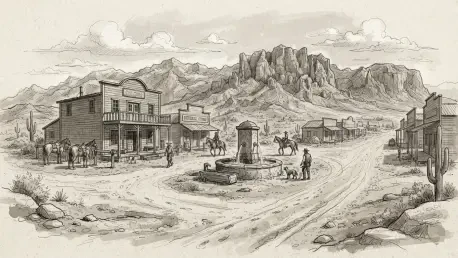

The dust of the high desert usually settles quickly over the wooden boardwalks of Pioneertown, but the recent unanimous approval of a new development project has stirred a significant localized storm. This historic enclave, originally constructed as a living movie set for Western films, now finds itself at a crossroads between its cinematic past and a commercialized future that prioritizes tourism infrastructure. The San Bernardino Planning Commission’s decision to greenlight the expansion spearheaded by the Pioneertown Land Company represents a fundamental shift in how the county views rural growth in isolated desert communities. By allowing the transformation of the town’s central Soundstage and surrounding historic structures, officials have effectively prioritized modern amenities over strict preservation. This decision forces a necessary conversation about whether a community built as a temporary backdrop can survive the weight of its popularity while maintaining desert charm.
Modernizing the High Desert Cinematic Legacy
The Soundstage Renovation: Preserving Aesthetic Values
The central focus of the current revitalization effort is the meticulous renovation of the 6,223-square-foot facility known as the Soundstage, which initially operated as the Silver Dollar before transitioning into a Hollywood production hub. Developers envision this space as a premier multi-use events venue designed to host a variety of cultural and private gatherings, ranging from concerts to large-scale receptions. To complement this, the project includes repurposing the former Pioneertown Gazette building into an ice cream parlor and coffee shop, featuring period-accurate wood paneling to satisfy aesthetic standards. This aspect of the plan utilizes architectural details intended to provide modern services while respecting the rustic visual identity of Mane Street. By integrating these new businesses, the development seeks to fill a perceived void in local services, as tourists currently have limited options for refreshments between visiting various local landmarks.
Enhancing Visitor Services: The Public Pavilion Project
In addition to the commercial renovations, the developer plans to install a 3,024-square-foot public pavilion that will serve as a central hub for tourist comfort and basic logistical needs in the arid climate. This structure is intended to address long-standing complaints regarding the lack of public restrooms and shaded seating areas, which are essential for managing the town’s estimated 300,000 annual visitors. The pavilion will provide a dedicated space for mobile food vendors to operate safely, moving them away from crowded thoroughfares where they often create pedestrian bottlenecks. David Corso, representing the Pioneertown Land Company, argues that these improvements are essential for a town that currently lacks anchor attractions beyond the famous Pappy & Harriet’s. Providing these fundamental services is seen as a necessary evolution to ensure the community remains a viable destination, especially as the demand for unique desert experiences continues to grow.
Addressing the Infrastructure and Safety Deficit
Community Risk: Fire Safety and Evacuation Challenges
Despite the promised improvements to visitor amenities, a significant portion of the permanent population remains deeply skeptical of the expansion, citing severe deficiencies in existing emergency infrastructure. Residents frequently point to the absence of a comprehensive fire hydrant system and the limited number of evacuation routes as critical vulnerabilities during a natural disaster. Drawing comparisons to the devastating 2018 Camp Fire, local advocates argue that inviting hundreds of thousands of tourists into a high-fire-risk zone without upgrading safety measures is an unacceptable gamble. The concern is that the current road network, which was never designed for modern traffic volumes, would quickly become impassable during an emergency evacuation. Business owners have echoed these sentiments, suggesting that the focus on growth has outpaced the county’s commitment to providing the essential safety services required to protect both visitors and residents.
Strategic Integration: Future Management and Oversight
To navigate this complex intersection of growth and preservation, stakeholders prioritized the establishment of a robust, long-term safety fund dedicated specifically to fire suppression and road expansion. The implementation of smart traffic monitoring systems and pre-planned evacuation drills became a vital necessity for the region to handle the influx of seasonal crowds effectively. Future development agreements incorporated mandatory contributions to the local water district to facilitate the installation of modern fire hydrants before any new commercial facilities opened their doors to the public. Furthermore, the creation of a community-led oversight committee ensured that noise levels and visitor behaviors remained within acceptable limits for the permanent residents. Moving forward, the integration of technology-driven crowd management and transparent communication between developers and locals served as the only sustainable path for protecting the historical integrity of this unique Mojave outpost.