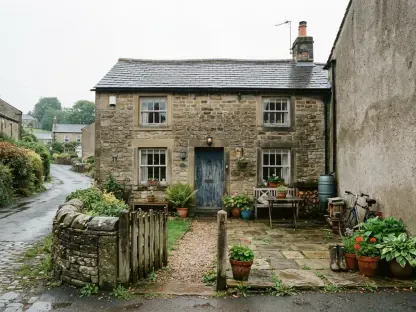

The opening addresses a specific gap in the Chittorgarh market for high-quality infrastructure capable of hosting large-scale professional events and exhibitions. As global travelers increasingly seek authentic heritage experiences without compromising on contemporary luxury, the launch of the Lemon Tree Resort in Chittorgarh marks a pivotal shift in the regional hospitality landscape. Managed by Carnation Hotels Private Limited, this expansive 98-villa property is strategically positioned to elevate the tourism profile of the Mewar region by blending historical grandeur with a modern, service-oriented approach. This development signals a broader trend where major hospitality players move beyond established hubs like Jaipur to tap into high-potential demand within historical districts that have previously lacked premium amenities. By offering sophisticated infrastructure, the brand is effectively transforming the city into a viable destination for corporate groups and leisure seekers alike.
Exclusive Villa Design and Amenities
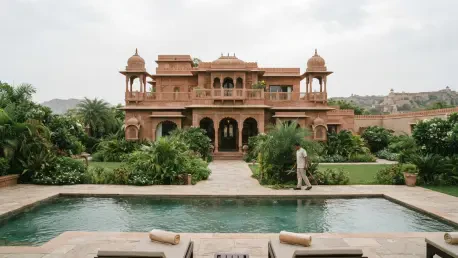
The resort distinguishes itself through a villa-centric design that prioritizes privacy and exclusivity, departing from the traditional vertical hotel structures commonly found in urban centers. With 98 meticulously designed villas, the property provides guests with a sanctuary that mirrors the architectural spirit of Rajasthan while incorporating modern aesthetic sensibilities. These accommodations are categorized into units featuring either private balconies or private swimming pools, allowing for a personalized stay that caters to different levels of seclusion and luxury. By emphasizing low-density housing and outdoor integration, the resort creates an environment where guests can experience the local climate and scenery in a personal way. This architectural choice is specifically intended to attract high-end leisure travelers who value personal space and quietude, setting a new standard for luxury in a region where historical sites often draw massive crowds throughout the peak tourist seasons.
Complementing the private accommodations is a robust suite of facilities designed to facilitate both total relaxation and high-level professional productivity. The signature Citrus Cafe, a staple of the brand, offers a curated dining experience that balances international culinary standards with authentic Rajasthani flavors, catering to the diverse palates of modern travelers. For those seeking wellness and restoration, the property includes a full-service spa, a modern fitness center, and a large outdoor swimming pool that serves as a central social hub. A central pillar of the resort’s strategy involves the Tangerine indoor banquet venue, which is engineered to capture the lucrative meetings, incentives, conferences, and exhibitions market. This facility provides the technological infrastructure required for professional gatherings, which were previously difficult to host in Chittorgarh due to a lack of upscale venues, ensuring that the resort remains a versatile choice for multigenerational groups.
Strategic Growth and Regional Connectivity
The inauguration of this resort is a critical component of a broader expansion strategy that aims to see the company’s portfolio in Rajasthan grow to 25 properties by 2026. Currently, 15 of these locations are fully operational, with another 10 in various stages of active development, reflecting strong institutional confidence in the state’s continued tourism growth. Leadership within the organization has identified Chittorgarh as a high-potential market that has remained largely untapped by luxury brands despite its immense cultural and historical value. By establishing a dominant presence here, the brand is not only diversifying its geographic footprint but also leading the way in professionalizing the hospitality sector in secondary cities. This proactive investment strategy is designed to capture market share early as infrastructure improvements across Northern India make heritage circuits more accessible to a wider demographic of affluent domestic and international tourists.
Strategic location and connectivity further enhance the resort’s competitive advantage, as it sits prominently on the Bhilwara-Udaipur Highway. This placement provides seamless road access for regional travelers while remaining in close proximity to the iconic Chittorgarh Fort, a UNESCO World Heritage site that serves as the area’s primary cultural anchor. Guests can easily explore landmarks such as the Vijay Stambh, Maharani Padmini Palace, and the Kalika Mata Temple, or venture to the nearby Bassi Wildlife Sanctuary for nature-oriented excursions. Logistically, the resort is well-served by regional transport hubs, situated approximately 9 kilometers from the Chittorgarh Junction railway station and 95 kilometers from the Maharana Pratap Airport in Udaipur. This accessibility ensures that the property can cater to a variety of arrival methods, from private vehicle road trips to fly-in international tour groups, making it a pivotal node in the expanding heritage tourism network of the Mewar region.
Future Implications for Regional Tourism
The expansion into Chittorgarh demonstrates a sophisticated understanding of the shifting requirements within the premium hospitality sector. Industry stakeholders recognize that the successful integration of local heritage with high-capacity event infrastructure provides a blueprint for sustainable growth in secondary tourism markets. Moving forward, developers and investors should prioritize projects that combine cultural authenticity with robust professional facilities to meet the growing demand for versatile destination venues. The project establishes that regional cities can support luxury operations if the infrastructure addresses specific professional gaps while maintaining high service standards. These findings suggest that future hospitality investments in the 2026 to 2028 period will likely focus on areas with high historical capital but low existing luxury density. This approach not only optimizes revenue streams but also ensures that regional tourism development becomes more inclusive and geographically diverse.