
While no specific or credible information regarding a singular planned attack exists, the general risk level is elevated due to the symbolic nature of holiday gatherings. This season, European capitals are bustling with preparations for a return to traditional festivities, drawing millions of international visitors to historic centers. The U.S. State Department’s latest guidance underscores a reality where holiday cheer must be balanced with a disciplined approach to personal safety. The alerts are designed to heighten situational awareness without discouraging the exploration of cultural heritage. Security officials point out that the sheer volume of people in pedestrian zones makes it difficult to maintain the same level of control found in more restricted environments. Consequently, travelers are being asked to think critically about their surroundings and remain adaptable as they navigate the crowds. This heightened state of alert is not meant to cause alarm but to ensure that American tourists are fully equipped with the knowledge needed to travel safely in an increasingly unpredictable global climate during this 2026 season.
Monitoring Public Gatherings
Festive Markets and Tourist Density
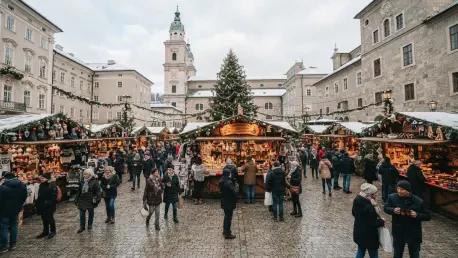
Brussels is currently hosting its “Winter Wonders” event, which serves as a major draw for tourism across Western Europe. This massive celebration features more than 200 market chalets that wind through the city’s ancient streets, culminating in the stunning Grand-Place, which has been recognized as a UNESCO World Heritage site since 1998. The sheer physical footprint of these markets makes them difficult to secure entirely, as they are integrated into the daily life of the city. For American tourists, the appeal lies in the traditional crafts and seasonal delicacies found in these stalls, yet these very elements contribute to a dense environment where movement can be restricted. Security experts emphasize that the holiday atmosphere can often lead to a lapse in vigilance, as visitors become absorbed in the sights and sounds of the season. By identifying these locations as areas of interest, the U.S. government is prompting citizens to stay alert during their visit to these iconic spots.
Security Protocol in Historic Squares
The management of these crowds falls primarily on local Belgian police, who have significantly increased their presence in the city center during the 2026 holiday window. Visitors should expect to see armed patrols and potential security checkpoints at various entry points to the major markets. Following official instructions is paramount; if an area is cordoned off or an announcement is made over public address systems, travelers should comply immediately without hesitation. It is also important to note that the proximity of these markets to major transportation hubs, such as the Gare du Midi, creates a continuous flow of people that can be overwhelming during peak evening hours. Staying informed about the layout of these markets and knowing the locations of multiple exits can provide a significant advantage in the event of an emergency. Travelers are encouraged to keep a physical or digital map of the area and to establish meeting points with their companions in case the group becomes separated in the dense holiday crowds.
Assessing Modern Security Risks
Countering Terrorist and Lone Actors
The security landscape is currently defined by a dual-threat environment that includes both sophisticated terrorist organizations and independent individuals who may act with little warning. These “lone actors” are a particular concern for intelligence agencies because they often lack the communications trail associated with larger groups, making their actions much harder to preempt through traditional surveillance methods. The U.S. Embassy has noted that such individuals are often radicalized online and may target public gatherings to maximize the psychological impact of their actions. These events are frequently aimed at “soft targets,” which include locations like public squares, shopping malls, and places of worship where security is naturally less intense than at government installations. The unpredictability of these threats necessitates a proactive mindset, where travelers are constantly scanning their environment for anything that appears out of the ordinary, such as unattended bags or individuals exhibiting suspicious behavior in crowded areas.
Vigilance Against Unpredictable Threats
Organized groups, by contrast, tend to focus on high-profile dates or locations that carry significant cultural or symbolic weight. The holiday season, with its deep historical and religious roots, presents a tempting window for those seeking to disrupt Western traditions. However, security measures across Europe have evolved to meet these challenges, with increased intelligence sharing between nations and more robust physical barriers in pedestrian zones. Despite these improvements, the threat remains persistent, and travelers are advised to avoid becoming overly reliant on their mobile devices while in public. Staying engaged with the immediate surroundings allows for a faster reaction time should a situation develop. Furthermore, avoiding large, stationary groups when possible can reduce individual risk. The goal of the current advisory is to foster a culture of preparedness, where American citizens are not just passive observers but active participants in their own security, staying informed about the local threat levels.
Aviation Safety and Hoax Management
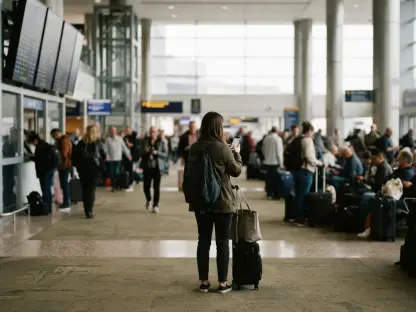
Aviation security has faced unique challenges in late 2026, particularly following a series of hoax bomb threats that targeted numerous commercial flights across the European region. Between early November and the current holiday period, more than 50 separate incidents were reported, involving 15 different airlines and causing widespread disruption to flight schedules. One notable incident involved a LOT Polish Airlines flight destined for Brussels that was forced to perform an emergency landing due to a security alert. While Belgian authorities eventually determined that no explosives were present, the operational impact was substantial, leading to hours of delays and heightened anxiety for everyone on board. These hoaxes are designed to test the responsiveness of security systems and cause maximum logistical chaos. For travelers, this means that even false reports can result in significant travel delays, missed connections, and extra layers of security screening at major airports like Zaventem.
Impact of Operational Flight Disruptions
Dealing with these aviation-related disruptions requires a high degree of patience and flexibility from international travelers. Security protocols at European airports have been tightened in response to the volatility of the current environment, leading to longer wait times at checkpoints and more frequent secondary screenings. Travelers are encouraged to arrive at the airport much earlier than usual and to stay updated through their airline’s mobile apps for real-time flight status changes. Cooperation with airport security staff is essential, as any resistance can lead to further delays or legal complications. While these hoax threats are frustrating, they underscore the seriousness with which authorities treat every potential risk. Maintaining a calm demeanor and following all instructions during a security incident can help prevent panic among other passengers. It is also wise for travelers to carry essential items, such as medications and chargers, in their carry-on luggage in case their flight is delayed.
Implementing Personal Safety Strategies
Proactive Enrollment and Communication
One of the most effective tools available to American citizens traveling in Europe is the Smart Traveler Enrollment Program, commonly known as STEP. This free service provided by the State Department allows individuals to register their travel details with the local U.S. Embassy or Consulate. By doing so, they receive critical security updates in real-time, which is particularly useful in a fast-moving environment where conditions can change within hours. Furthermore, the program makes it significantly easier for the government to reach out to citizens or their families in the event of a natural disaster, civil unrest, or a targeted security incident. In the context of the 2026 holiday season, being enrolled in STEP ensures that travelers are among the first to know about new alerts or localized threats. This proactive step should be a standard part of any travel itinerary, providing a direct link to diplomatic resources that can offer guidance when local situations become complicated or dangerous.
Behavioral Guidelines for International Travelers
In addition to digital resources, physical behavior plays a crucial role in maintaining personal safety while abroad. The U.S. government advises its citizens to maintain a low profile whenever possible. This involves avoiding clothing or accessories that clearly identify one as an American tourist and being mindful of the volume of conversations in public spaces. In a crowded environment, blending in with the local population can make an individual a less attractive target for both petty criminals and more serious threats. If a traveler notices significant police activity or a protest beginning to form, the best course of action is to leave the area immediately. Curiosity can be dangerous in these situations; stopping to take photos or videos of a security operation or a demonstration can lead to accidental involvement or physical harm. Cooperative behavior with local authorities is also vital, as they are the primary responders in any crisis, moving away from a scene quickly and calmly.
Interpreting National Advisory Levels
Belgium currently holds a Level 2 travel advisory, a status that has been in place since July 2026 and remains relevant as the holiday season unfolds. This advisory level, titled “Exercise Increased Caution,” serves as a middle ground between normal precautions and a recommendation to reconsider travel. It acknowledges that while Belgium is a stable and developed country with efficient public services, there are persistent risks that cannot be ignored. These risks are primarily linked to the possibility of terrorism and the occasional outbreaks of civil unrest or strikes that can disrupt public life. The U.S. government uses this classification to remind citizens that the security environment is not static and requires a higher level of awareness than what might be expected at home. By understanding the specific reasons behind the Level 2 status, travelers are better prepared for the realities on the ground, ensuring they are not caught off guard by sudden changes in the local security posture.
Strategic Planning for Safe Excursions
The approach to navigating Europe during the 2026 holiday season centered on a balance between festive exploration and rigorous safety protocols. Travelers who successfully managed their trips did so by integrating official government advice into their daily routines and maintaining a high degree of flexibility regarding their plans. The implementation of the STEP program and adherence to local police guidance proved to be essential components of a secure travel strategy. Looking ahead, the lessons learned from this period suggested that informed travel would remain the standard for international tourism. Proactive engagement with security alerts and a deep understanding of the local context allowed citizens to enjoy the cultural richness of the continent while minimizing their exposure to unpredictable risks. Ultimately, coordination between U.S. diplomatic missions and European security agencies provided a robust framework that supported safe travel throughout the winter months, ensuring that holiday traditions were preserved.