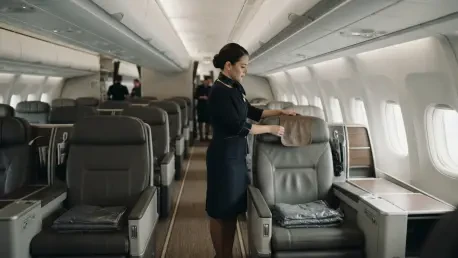

A massive capital injection of seven billion dollars into cabin retrofitting has enabled the airline to standardize luxury across more than one hundred aircraft in its current fleet. This unprecedented investment serves as the backbone for the carrier’s ascent to the peak of the 2027 global aviation rankings. Published by TIME in collaboration with Statista, this assessment moved beyond superficial prestige to evaluate carriers on deep-seated operational metrics and authentic passenger sentiment. By securing the top position, the Dubai-based airline demonstrated that it could maintain a premium brand identity while navigating the complexities of a volatile global economy. The data highlights a significant lead in the Best Value and Business Travel subcategories, suggesting that the airline’s strategy successfully bridged the gap between high-end aspiration and practical traveler requirements. This achievement marks a pivotal moment for an industry that has spent the last year refining its definition of modern air travel.
Impact of Fleet Modernization and Design
The success of the airline rests largely on its commitment to a uniform passenger experience, regardless of the specific airframe or route length. With 108 aircraft having already undergone extensive refurbishment, the carrier is currently on track to bring its sophisticated Premium Economy offering to nearly 100 destinations by the end of 2026. This aggressive rollout addresses a historical pain point in aviation where travelers often encountered inconsistent cabin standards between legacy and newer aircraft. By standardizing the interior aesthetics and seat comfort across the Airbus A380 and Boeing 777 fleets, the airline has managed to build a level of brand trust that is rare in the current market. This systematic approach to fleet management ensures that premium price points are justified by tangible improvements in physical surroundings, allowing the carrier to distance itself from competitors who have struggled to implement such wide-scale upgrades during the same operational period.
Innovations in seating hardware have further solidified this leadership position by focusing on individual autonomy and physical well-being. The introduction of the world’s first electrically powered Premium Economy seat represents a significant leap forward in ergonomic engineering, incorporating privacy dividers that were previously reserved for the most expensive booking classes. Such attention to detail extends into the Economy cabin with the implementation of the “U-Dream” headrest, which provides enhanced support during the grueling hours of ultra-long-haul flights. These hardware updates are not isolated improvements but part of a holistic design philosophy that prioritizes the physiological needs of the traveler. By integrating these features across its expanding fleet of A350s and existing wide-body aircraft, the airline has established a new benchmark for what passengers should expect from the modern flying experience. This focus on the hardware of travel proves that luxury is increasingly defined by comfort.
Evolution of Digital Connectivity and Dining
Digital integration has become a primary differentiator in the quest for the 2027 top ranking, with the airline aggressively deploying Starlink satellite technology. Currently functional on 74 aircraft, this high-speed Wi-Fi service offers low-latency connectivity that allows passengers to maintain a seamless transition between their professional and personal digital lives. Unlike legacy systems that often suffered from bandwidth throttling or high costs, this implementation provides complimentary access across all cabins, facilitating everything from video conferencing to high-definition streaming. This technological leap complements the “ice” in-flight entertainment system, which currently hosts an expansive library of over 6,500 channels in more than 40 languages. By allowing passengers to sync their personal devices with the seatback screens, the carrier has created a multiscreen ecosystem that caters to the behavior of modern travelers who demand constant connectivity even at high altitudes.
The culinary program supports this digital sophistication with a logistical operation that manages over 1,500 unique menus daily. Each menu is tailored to the specific cultural preferences of the destination, ensuring that regional specialties are authentically represented through high-quality ingredients and traditional cooking techniques. These offerings are refreshed on a monthly cycle to maintain variety for the carrier’s substantial base of frequent flyers. Beyond the core meal service, the airline has invested heavily in its beverage program, featuring a curated selection of premium champagnes and vintage wines that are often exclusive to the carrier. By aligning these gastronomic experiences with international holidays and major sporting events, the airline transforms a routine flight into a curated event. This commitment to culinary excellence serves as a vital touchpoint for passenger satisfaction, reinforcing the notion that the journey is as significant as the destination itself in the luxury travel sector.
Specialized Accessibility and Service Inclusivity
A key factor in the 2027 accolades is the airline’s focus on demographic-specific needs, particularly for families and travelers with hidden disabilities. For parents, the airline has streamlined the travel process by providing organic baby food, infant amenity kits, and a dedicated suite of children’s entertainment. This effort to reduce the stress of family travel is punctuated by the unique “Polaroid” service, where cabin crew provide physical keepsakes of the flight, fostering a personal connection that digital services often lack. Furthermore, the expansion of the “Travel Rehearsals” program has garnered praise for its inclusive approach to neurodiversity. By allowing children with autism and their families to experience the airport and aircraft environment in a controlled setting across 80 destinations, the airline has demonstrated a commitment to social responsibility that goes beyond simple profit motives. This emphasis on making travel accessible for all populations contributes significantly to the carrier’s high marks.
The dominance of the airline in the Business Travel category is further bolstered by a comprehensive ground-to-air service ecosystem. With 42 dedicated lounges strategically located across the globe, the airline provides a sanctuary for professional travelers to remain productive or recuperate before their next leg. These facilities are designed to mirror the luxury of the on-board experience, offering high-end dining, shower facilities, and quiet work zones. The transition to the airport is simplified through complimentary chauffeur services in major markets, ensuring a “door-to-door” philosophy that minimizes the friction points of international business travel. By focusing on the entire journey rather than just the time spent in the air, the airline has created a cohesive brand experience that appeals to the corporate sector’s demand for efficiency and comfort. This holistic approach to service delivery ensures that the carrier remains the primary choice for the global executive class seeking a reliable partner.
Long-Term Strategic Vision and Implementation
The airline managed to leverage Dubai’s geographic position as a global crossroads to build a hub-and-spoke model that remained unparalleled in its efficiency throughout the middle of the decade. The 2027 rankings suggested that the carrier’s competitive edge lay in its ability to execute micro-level improvements alongside its macro-level logistical maneuvers. Whether it was the fine-tuning of the cabin lighting to combat jet lag or the continuous training of crew members in cultural sensitivity, the focus remained on the individual passenger experience. This dual strategy of massive capital investment and meticulous service refinement allowed the airline to maintain its momentum while other carriers were still recovering from previous global disruptions. Leadership consistently argued that the current success was a direct result of long-term planning and the dedication of a massive global workforce. The focus was clearly on setting a trajectory that competitors found difficult to emulate quickly.
The airline successfully transitioned into this new era of dominance by prioritizing the integration of sustainable technologies and refined luxury standards. Analysts observed that the carrier moved beyond the traditional metrics of aviation success to embrace a more human-centric model of service delivery. By the conclusion of the most recent evaluation period, the strategic focus shifted toward refining the interaction between digital convenience and physical comfort. The implementation of the seven-billion-dollar retrofit program served as the primary catalyst for this shift, ensuring that the fleet remained modern and relevant to a discerning international audience. As the industry looked toward the end of the decade, the lessons learned from this period of rapid modernization provided a blueprint for other carriers seeking to balance operational efficiency with high-end brand appeal. The results confirmed that a relentless focus on the passenger journey was the most effective way to secure a leading position.