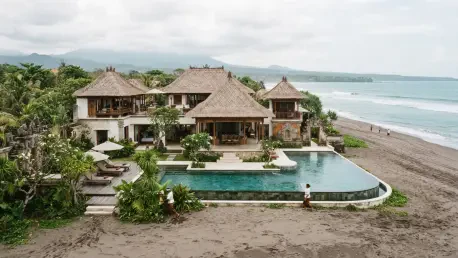

The Ketewel Beachfront Villa serves the growing event-tourism market by providing a private venue capable of hosting up to 50 guests for large celebrations. This expansion signals a pivotal shift in the Balinese hospitality landscape, where the traditional allure of sprawling, high-density resorts is giving way to a more intimate, curated form of travel. Luxe Nomad is leading this transformation by integrating specialized properties into its portfolio, moving beyond the standard vacation rental model to offer deeply localized experiences. By focusing on “quiet luxury,” the company addresses a modern traveler demographic that prioritizes seclusion, architectural integrity, and cultural immersion over generic five-star amenities. This strategy effectively turns each villa into a self-contained ecosystem where guests can experience the island’s unique charm without the crowds. As global demand for privacy and personalized service continues to rise, these multiregional additions redefine what it means to stay in one of the world’s most sought-after island destinations.
Diverse Regional Experiences
Coastal Sophistication and Local Immersion
In the Jimbaran region, the emphasis on family-centric luxury and coastal accessibility is manifest through the introduction of properties like Villa Camellia and Villa Ambiente. These estates are strategically positioned to leverage Jimbaran’s reputation for calm waters and its world-renowned seafood culture, providing a seamless transition from the airport to a private sanctuary. Villa Camellia, a three-bedroom estate, caters to smaller groups who desire a sophisticated base with rooftop views and sunset vistas, while Villa Ambiente offers an expansive four-bedroom environment with enclosed living spaces and lush gardens. This approach moves away from the one-size-fits-all resort model by providing tailored architectural solutions that accommodate the specific needs of modern family units. The focus is on creating a sense of home that is elevated by high-end design, ensuring that every stay feels personal rather than institutional. Travelers now seek these specific pockets of tranquility where privacy is the ultimate luxury.
Family Comfort and Architectural Scale
Building on this foundation of coastal luxury, Villa Jamalu represents the most opulent tier of the Jimbaran expansion, spanning 8,600 square feet within the exclusive Temple Hill estate. This three-level residence is designed as a comprehensive retreat, featuring a private gym, an entertainment den, and multiple swimming pools, making it a viable alternative to a boutique hotel for large groups. The architectural layout encourages a fluid transition between indoor and outdoor living, a hallmark of Balinese design that has been refined for contemporary tastes. By offering such high-performance amenities within a private residence, the management addresses the growing demand for “slow travel,” where guests choose to stay longer and engage more deeply with their immediate surroundings. The presence of a dedicated in-house team ensures that the level of service remains consistent with global luxury standards while maintaining the absolute privacy that high-net-worth individuals now consistently demand.
Innovation in Sustainability and Events
Eco-Conscious Living and Tropical Design
The commitment to environmental responsibility is most evident in Sanur with the introduction of The Manu Villas, which utilize cutting-edge sustainable infrastructure to minimize their ecological footprint. These villas, specifically Manu Gede and Manu Made, incorporate solar power systems and natural temperature regulation through architectural shading and advanced ventilation. This approach addresses a critical demand among modern travelers who seek luxury experiences that align with their ethical values regarding conservation and carbon reduction. Beyond the technical specifications, the design maintains a high level of aesthetic sophistication, proving that eco-friendly living does not require a compromise on comfort or style. The Sanur region, known for its historic charm and calm lagoons, provides the perfect backdrop for these sustainable residences, offering a slower pace of life that complements the slow-travel movement. By prioritizing green technology, the industry is future-proofing itself against the rising expectations for responsible tourism.
Strategic Evolution of Destination Management
The evolution of the Balinese luxury market demonstrated that travelers increasingly favored autonomy and specialized wellness over traditional resort models. Industry experts concluded that the shift toward integrated residential-style luxury allowed for a more profound connection with the local culture and environment. This strategy successfully positioned the island as a multifaceted destination for health, sustainability, and long-term living rather than a simple holiday spot. As travelers prioritized physical and mental optimization, the inclusion of medical-grade wellness technology and spiritual infrastructure became a new industry standard. Moving forward, the focus must remain on the integration of smart home technology and even more rigorous sustainability audits to meet the expectations of an environmentally conscious global elite. The successful model established in these regions provided a blueprint for future hospitality developments across Asia, emphasizing that the modern definition of luxury rests on the quality of time and personal transformation.