
The 2026 forum at ExpoMeloneras highlights that precision in specialized cooking methods is no longer just about flavor but about resource efficiency. As the 13th Maspalomas Costa Canaria International Tourism Forum gathers industry experts this November, the global hospitality sector faces a critical juncture where luxury must align with environmental stewardship. The central theme, “The Knowledge of Gastronomy,” aims to solve the modern dilemma of maintaining high standards while reducing food waste and energy consumption. This shift is a necessary evolution for the “restaurant of the future,” a concept driven by the realities of resource scarcity and shifting consumer values. By bridging academic research and the practical demands of a commercial kitchen, the forum provides a roadmap for elite dining to lead in ecological innovation. It serves as a strategic platform where the marriage of science and art can redefine the meaning of excellence.
Technical Precision: The Science of Efficiency
Integrating rigorous scientific research into the daily operations of a kitchen is essential for reducing the environmental impact of haute cuisine. Experts like Salvador Brugués emphasize that understanding the physical transformations of food allows for greater energy efficiency and better ingredient utilization during preparation. By applying these technical principles, chefs can transform precision into a sustainable practice, ensuring that every component of a dish is maximized while minimizing waste. This approach requires a move away from traditional guesswork toward an empirical methodology where molecular stability dictates the cooking process. When a kitchen operates with high technical rigor, the margin for error narrows, which directly correlates with a reduction in discarded materials. This fundamental shift ensures that luxury dining remains high in quality while lowering its carbon footprint through optimized resource management.
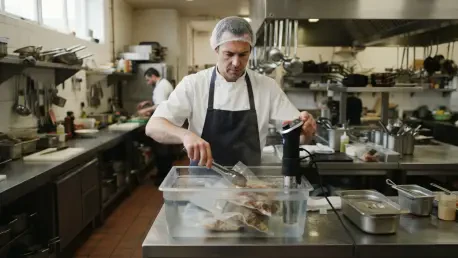
Beyond the immediate benefits of waste reduction, the focus on technical precision offers a scalable model for the broader hospitality industry to follow. By documenting the energy consumption of specific methods, the forum provides chefs with actionable data to refine their workflows. For example, the use of precision thermal immersion can be analyzed not just for the texture it provides, but for the specific kilowatts saved compared to traditional roasting methods. This data-driven approach allows restaurants to set measurable sustainability goals that were previously difficult to quantify in a creative environment. Furthermore, as these specialized methods become standardized, the cost of sustainable technology decreases, making it accessible to smaller establishments. The ultimate goal is to create a ripple effect where the innovations developed in high-end laboratories eventually inform the operations of casual dining across the globe.
Knowledge Transfer: Demystifying Culinary Science
Broadening the reach of culinary science is crucial for making sustainable choices accessible to both industry professionals and the dining public. Figures like Heinz Wuth use digital platforms to demystify complex chemical reactions and promote a foundational understanding of ingredient properties to a massive audience. Through workshops and applied science, the industry can foster more responsible decision-making, proving that a deeper knowledge of food behavior leads to more ethical and flavorful outcomes. When chefs understand why certain ingredients react the way they do, they can better repurpose byproducts that would otherwise be thrown away. For instance, understanding the protein structure of vegetable trimmings allows for the creation of new textures and flavors from perceived waste. This educational outreach ensures that sustainability is rooted in knowledge rather than just a marketing claim, empowering creators at every level.
This focus on education also extends to the front-of-house experience and how menus are communicated to modern consumers. By explaining the science behind sustainable choices, restaurants can justify the use of unconventional ingredients that require more careful preparation. Educating the diner about the physical and chemical journey of their meal creates a shared sense of responsibility between the kitchen and the guest. This transparency is vital for building trust in an era where consumers are increasingly wary of “greenwashing” in the luxury sector. Moreover, the professionalization of sustainability through specialized training ensures that the next generation of chefs is equipped with the tools to manage resources effectively. As culinary schools incorporate these scientific principles into their core curricula, the industry moves closer to a standard where stewardship is as fundamental as basic knife skills in a professional kitchen.
Strategic Evolution: Insights for the Future
The shift toward a sustainable gastronomic model also requires a deep dive into the human psychological experience of eating and sensory perception. Neurogastronomy and sensory evaluation analyze how the human brain perceives flavor and how environmental cues influence eating habits and satisfaction. By fostering mindful consumption, restaurants can help guests develop a stronger connection to the resources involved in their meals, encouraging a culture that values the provenance and preservation of ingredients. This psychological alignment is as important as the technical execution of a dish, as it ensures that the reduction of waste is accompanied by an increase in perceived value. When diners are aware of the intense research behind a sustainable ingredient, their appreciation for the meal deepens, leading to a more meaningful experience. This holistic approach ensures that high-end gastronomy remains a leader in cultural trends.
The 13th Maspalomas International Tourism Forum successfully provides a blueprint for the global gastronomic community to navigate the complexities of environmental responsibility. It demonstrates that the pursuit of culinary perfection is no longer separable from the pursuit of ecological balance and resource efficiency. By leveraging scientific knowledge and fostering a culture of innovation, the participants highlight how the industry evolves to meet modern challenges without sacrificing artistry. The event offers actionable insights, such as implementing data-driven waste tracking and adopting precision-based cooking standards to reduce energy loads. Moving forward, the industry is encouraged to adopt collaborative frameworks between academia and government to scale these sustainable practices. Ultimately, the forum showcases that the most impactful changes come from a deeper understanding of food behavior, ensuring the luxury sector can lead by example.