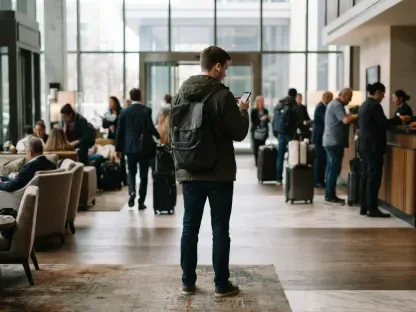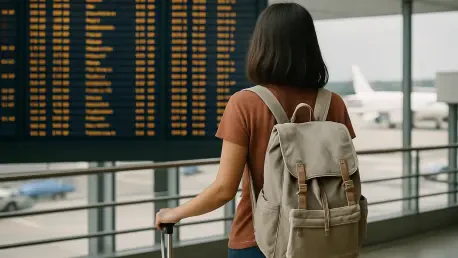

The relentless pursuit of maximizing every minute of annual leave has finally reached a breaking point as travelers worldwide begin to favor restorative spontaneity over rigid itineraries. This shift represents a fundamental change in the global tourism industry, where the previous obsession with efficiency is being dismantled in favor of deep, meaningful engagement with local cultures. Data from major travel platforms indicates that nearly eighty percent of modern vacationers now believe that a truly rejuvenating trip requires abandoning a pre-planned schedule entirely. This move toward anti-optimization is not merely a rejection of technology, although many choose to leave smartwatches behind to escape digital tracking, but rather a conscious decision to prioritize quality over quantity. Instead of visiting ten landmarks in a single day, the new traveler chooses one or two immersive activities that provide a genuine sense of place and personal growth.
Redefining the Modern Vacation Landscape
Artisanal Production and Slow Food
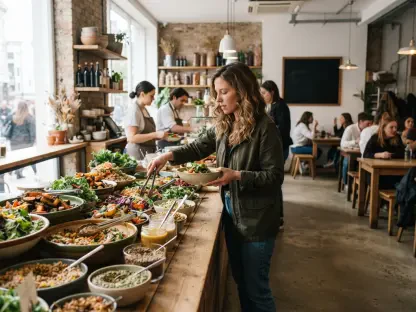
The rising fascination with the patient art of food production serves as a primary driver for this new travel philosophy, leading to a surge in workshops focused on slow processes like fermentation. Travelers are increasingly drawn to “The Fermenters” archetype, where they spend hours learning to craft kombucha, kimchi, or traditional balsamic vinegar from scratch. This interest reflects a broader desire for “slow luxury,” where value is found in the time invested to understand the origins of what is consumed rather than just the final product. Over seventy percent of participants in these culinary experiences report that seeing food made through traditional methods adds a significant layer of value to their journeys. This trend highlights a transition from passive consumption of high-end meals to active participation in the creation of regional staples. By engaging with these artisanal methods, travelers find a way to slow down and appreciate the intricate labor and historical context that define a region’s gastronomic heritage.
Olfactory Memories and Sensory Focus
Parallel to the interest in slow food is the rise of olfactory tourism, where the sense of smell is leveraged to create indelible memories that outlast any physical souvenir. “The Scentualists” are a growing demographic, particularly among Gen Z and Millennial travelers, who are booking perfume masterclasses and fragrance workshops at an unprecedented rate. Statistics show a triple-digit increase in scent-related bookings over the last twelve months, suggesting that modern travelers crave sensory experiences that evoke a specific time and place. These travelers view unique regional scents as more evocative triggers for nostalgia than traditional postcards or mass-produced trinkets. By creating their own fragrances using local botanicals, they anchor their travel experiences in a physiological response that bypasses the superficial nature of visual sightseeing. This focus on sensory engagement encourages a slower pace, as participants must remain present and attentive to the nuances of different aromatic notes, further reinforcing the rejection of checklist travel.
Connecting with Authenticity and Nature
Authenticity Through Local Exploration
Authenticity is becoming the most sought-after currency in the travel market, leading many to bypass overcrowded tourist traps in favor of “The Detourist” approach. This trend involves a deliberate effort to explore lesser-known neighborhoods where local life remains largely untouched by the pressures of global tourism. Instead of standing in line for hours at world-famous landmarks, these travelers seek out the quiet corners of a city to find a more genuine sense of community and culture. Complementing this is the rise of “The Players,” individuals who seek out traditional analog games as a way to connect with locals. In a digital-first world, there is a surge in interest for physical play that does not involve a screen. By learning local games in a public square or a neighborhood café, travelers facilitate human connection through shared activity rather than digital mediation. This desire for physical interaction highlights the shift toward experiences that are both culturally grounding and mentally restorative.
Ecological Awareness and Future Sustainability
The shift toward pollinator tourism and environmental curiosity represented a profound change in how travelers interacted with the natural world, moving beyond simple observation to active participation. Beekeeping workshops and apiary tours became central to this movement, as they offered a hands-on way to understand local ecosystems and the delicate balance of biodiversity. By engaging in these slow, educational activities, travelers moved away from high-impact tourism and instead contributed to the preservation of regional environments through their patronage and awareness. This transition suggested that the next logical step involved the widespread adoption of “micro-conservation” initiatives, where every journey included a tangible ecological contribution. Successful travel platforms recognized that providing these deep, restorative connections was the key to long-term sustainability. Ultimately, travelers who chose to slow down discovered that a single afternoon spent in a quiet apiary provided more lasting value than a dozen superficial stops at major landmarks.