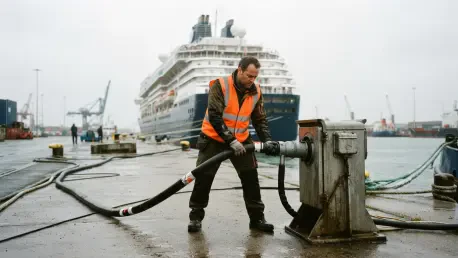

Technological advancements in port infrastructure now allow nearly 20 regional ports to provide shore power, positioning Northern Europe as a global leader in green maritime travel. This achievement reflects a broader transformation within an industry that has historically relied on a few flagship destinations to draw international crowds. As the market matures, there is a visible move toward a more decentralized model, where the success of a voyage is measured by the depth of cultural immersion rather than the number of capital cities visited in a single week. Cruise lines are responding to a sophisticated demographic that values environmental stewardship and authentic engagement over standard sightseeing tours. This shift has necessitated a complete overhaul of how itineraries are constructed, requiring seamless coordination between ship operators, port authorities, and local municipalities. The resulting strategy emphasizes a balanced distribution of tourism across the region, ensuring that the ecological and social fabric of smaller coastal towns remains intact while providing a high-quality product for the traveler. By leveraging advanced engineering and localized planning, the industry is creating a new paradigm where the journey is as significant as the destination itself, fostering a sense of discovery that feels both modern and deeply rooted in historical context.
Diversifying the Journey
Expansion into Lesser-Known Destinations
Planners are now looking beyond the typical ports of call to identify locations that offer a distinctive narrative of Northern European heritage. Cities such as Visby on the island of Gotland and Klaipėda in Lithuania have transitioned from being secondary considerations to becoming primary focal points for major operators like MSC Cruises. These destinations provide a window into the medieval and maritime history of the Baltic Sea that larger metropolitan centers cannot always replicate. The strategic inclusion of such ports is part of a deliberate effort to diversify the regional portfolio, offering repeat passengers a reason to return to Northern Europe for a second or third voyage. By focusing on these hidden gems, the industry is effectively expanding the geographical boundaries of what is considered a premier cruise route, moving the spotlight to areas that possess significant untapped cultural potential and architectural charm. This variety ensures that the regional cruise market remains vibrant and capable of surprising even the most seasoned travelers with fresh perspectives.
The benefits of this diversification extend beyond the passenger experience, playing a critical role in the economic stabilization of smaller regional economies. When international vessels dock in less frequent locations, the influx of capital helps sustain local businesses, from family-owned restaurants to artisanal craft shops, which might otherwise struggle during off-peak months. This influx of tourism revenue is increasingly managed through localized partnerships that ensure wealth is distributed fairly and supports the maintenance of historical landmarks. For cruise lines, this approach reduces the pressure on mega-hubs like Copenhagen or Stockholm, which have faced logistical challenges due to high vessel density in recent years. The result is a more resilient tourism ecosystem that thrives on variety and ensures the Northern European maritime industry remains competitive on a global scale. By offering a product that feels both exclusive and authentically representative of the region’s diverse identity, stakeholders are successfully future-proofing the industry against the risks of market saturation.
Emphasis on Local Life and Culture
There is a growing consensus among executives at brands like Viking and Explora Journeys that modern luxury is defined by the quality of human connection rather than just the amenities provided on board. This philosophy has led to the institutionalization of cultural pillars within shore excursion programs, moving away from passive bus tours and toward interactive experiences. In the Åland archipelago, for example, guests are invited to join traditional fishing expeditions, learning the techniques that have sustained these communities for centuries. In other parts of Scandinavia, travelers participate in immersive cooking workshops or visit historic villages like Kristianopel to observe the daily rhythms of Swedish rural life. These programs are designed to provide a deep look at the region, allowing visitors to feel like active participants in the local culture rather than detached observers. This focus on “authentic insight” ensures that the cruise experience feels less like a rigid tour and more like a genuine exploration of everyday life in the North.
This pivot toward cultural depth requires a significant amount of logistical planning and a commitment to authenticity that transcends the standard tourism model. Itinerary planners must work closely with local experts to curate experiences that are genuinely representative of the area and do not feel artificial or staged for the benefit of the visitor. By focusing on these intimate, small-scale interactions, cruise lines are able to create a narrative of cultural depth that resonates with a more discerning demographic. This strategy also aligns with the goals of regional associations that seek to promote the unique heritage of their member states while avoiding the pitfalls of cultural homogenization. The shift toward meaningful exploration is not just a marketing tactic; it represents a fundamental change in the industry’s value proposition, where the objective is to leave the traveler with a profound understanding of the region’s multifaceted history. This approach fosters a greater sense of respect between the traveler and the host community, which is essential for the long-term sustainability of the tourism sector.
Strategic Operational Innovations
Geographic Advantages and Small-Ship Access
The physical landscape of Northern Europe, characterized by its deep fjords and navigable river systems, offers a distinct advantage for companies that operate smaller, more agile vessels. Brands like Windstar Cruises have successfully leveraged this geography to gain access to city centers that are physically off-limits to larger cruise ships. By navigating the Thames to dock at Tower Bridge or traveling up the Seine to reach the heart of Rouen, these vessels offer a level of convenience and walkability that is highly prized by modern travelers. This capability allows for a seamless integration between the ship and the shore, where guests can step directly into the cultural core of a destination without the need for lengthy transfers. The intimacy of these ports creates a boutique atmosphere that mirrors the high-end service found on board, further blurring the line between maritime and urban experiences. Smaller ships also allow for a more spontaneous approach to exploration, as they can adjust to local conditions more easily than their larger counterparts.
Furthermore, the use of smaller ships enables a more flexible approach to itinerary design, allowing for daytime transits through scenic waterways that provide a constant backdrop of natural beauty. This concept effectively combines the best aspects of river cruising with the scope of deep-sea travel, providing a varied visual experience that is unique to the Northern European region. This operational flexibility is complemented by the high efficiency of local port services, which have adapted to the specific needs of luxury and expedition vessels. The ability to dock in central, historic locations not only enhances the guest’s perception of value but also reduces the environmental footprint associated with extensive bus transportation to and from peripheral docking facilities. As the demand for personalized and accessible travel grows, the strategic use of Northern Europe’s intricate geography remains a cornerstone of the industry’s innovation. This trend is encouraging a new wave of ship design, where vessels are specifically engineered to navigate the unique challenges and opportunities presented by the European coastline.
Leveraging Technical Infrastructure
The region’s commitment to maritime technology is evident in the rapid expansion of shore power capabilities, which allows ships to turn off their diesel engines while in port. This infrastructure is a critical component of the industry’s broader environmental strategy, as it drastically reduces local air pollution and noise levels in sensitive coastal areas. Northern Europe has set a global benchmark in this regard, with collaborative efforts between national governments and private port authorities driving the installation of high-voltage plug-ins across a network of nearly 20 major hubs. This technical advancement is not just about compliance with environmental regulations; it is a proactive investment in the future of the industry. By providing the necessary utilities for modern, hybrid, and electric vessels, the region ensures that it remains the destination of choice for the next generation of environmentally conscious cruise lines and their passengers. This technological lead provides a significant competitive advantage in an era where sustainability is a primary driver of consumer choice.
Beyond power solutions, the technological landscape of Northern European ports includes sophisticated traffic management systems that optimize the flow of vessels and minimize idling times. These systems use real-time data to coordinate arrivals and departures, ensuring that port operations are as efficient and unobtrusive as possible. This level of technical sophistication supports the complex scheduling required for a diverse range of vessel types, from massive ocean liners to specialized expedition ships like those operated by HX. The reliability of this infrastructure provides itinerary planners with the confidence to schedule tight turnarounds and multi-port stops, knowing that the regional logistics will support their operational goals. This synergy between advanced engineering and maritime management has solidified Northern Europe’s reputation as a reliable and forward-thinking partner in the global cruise market. The continued evolution of these systems will likely include the integration of artificial intelligence to further enhance predictive scheduling and resource allocation, making the region an even more attractive hub for maritime innovation.
Sustainable Management and Seasonality
Collaborative Destination Management
As the popularity of Northern Europe continues to rise, the industry has embraced a philosophy of collaborative management to address the challenges of overtourism and environmental preservation. This approach involves a continuous dialogue between cruise operators and local stakeholders to ensure that the influx of visitors remains within the carrying capacity of each destination. In Norway and Iceland, this collaboration has resulted in the implementation of financial measures, such as passenger taxes, designed to fund the infrastructure improvements needed to support a thriving tourism sector. By working together to establish these frameworks, the industry is demonstrating its commitment to being a responsible partner that contributes to the long-term health of the communities it visits. These policies are not seen as barriers to growth but as essential tools for creating a sustainable and socially accepted tourism model. This proactive engagement helps foster a sense of mutual respect and shared responsibility, which is crucial for maintaining the social license to operate in sensitive areas.
The effectiveness of this management strategy is rooted in the predictability of cruise schedules, which are often finalized several years in advance. This lead time allows local authorities to plan their services, from public transportation to historical site maintenance, with a high degree of accuracy. By sharing data and aligning expectations, both the cruise lines and the destinations can maximize the positive impacts of each visit while mitigating potential friction points. This transparency allows for a more harmonious relationship between the tourism sector and the local populace, ensuring that the presence of large ships is seen as a benefit rather than a burden. The goal is to move away from a transactional relationship and toward a long-term partnership that values the environmental and cultural integrity of the North as much as the economic benefits brought by the visitors. Through these collaborative efforts, Northern Europe is creating a blueprint for how high-volume tourism can be managed in a way that respects local boundaries and preserves the very attractions that draw people to the region.
Extending the Cruise Calendar
One of the most significant trends currently reshaping the industry is the extension of the traditional sailing season into the shoulder and winter months. Data from regional associations indicates a substantial increase in off-season calls, with many operators now offering specialized voyages and late-autumn trips that were once considered niche products. This expansion is driven by a desire to provide a different perspective on the region, highlighting the atmospheric beauty of the changing seasons and natural phenomena like the Northern Lights. By spreading vessel calls more evenly throughout the year, the industry is able to reduce the pressure on infrastructure during the peak summer months while providing a steady stream of income for local businesses. This year-round approach is particularly beneficial for smaller ports that rely on tourism for a significant portion of their annual revenue, allowing them to maintain employment and services outside of the busy summer window.
In the final phase of this strategic shift, industry leaders established a roadmap that prioritized the total integration of zero-emission technologies within all regional docking facilities. They committed to a policy of transparency, where vessel data was shared openly with municipal planners to prevent the overcrowding of historical sites. By adopting these measures, the sector proved that it could thrive while actively contributing to the restoration of maritime biodiversity and the revitalization of rural coastal economies. This concerted effort allowed for a new era of exploration that was defined by its minimal footprint and maximum social contribution. Stakeholders identified that the most effective solution for future growth was a continued investment in versatile infrastructure that could accommodate the next generation of alternative fuels. These decisions successfully transitioned the region into a model of regenerative tourism, ensuring that the legacy of the North remained protected for all future voyagers who sought its unique beauty. The focus moved toward a holistic view where environmental and economic goals were no longer in conflict but worked in tandem to preserve the regional heritage.