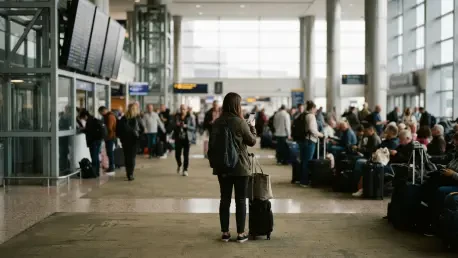

Systemic delays and frequent cancellations characterized the 2025 travel landscape, forcing a shift in how consumers approach holiday flight planning and execution. This transition from passive travel to active itinerary management became necessary as American domestic passenger volume hit record peaks, despite a notable decline in operational reliability across major carriers. Analysis of air travel performance in the months leading into 2026 reveals that nearly 6 million domestic travelers now participate in the major holiday rushes, creating a high-stakes environment where traditional responses to service failures no longer suffice. Recent data from consumer advocacy organizations suggests that on-time performance has slipped to its lowest point since 2014, leaving travelers vulnerable to cascading delays. Success in this era requires more than just a ticket; it demands a comprehensive understanding of airline mechanics, a mastery of digital tools, and a proactive stance toward rebooking.
Digital Integration: Mastering Mobile Rebooking
When a flight is canceled or delayed during a high-traffic holiday period, the instinctive human reaction is to seek immediate in-person assistance at the nearest customer service desk. However, this strategy often proves to be the least efficient path to a resolution because hundreds of displaced passengers are simultaneously competing for the attention of a skeleton crew of agents. Experts in travel management recommend a multitasking approach that prioritizes digital speed over physical presence. While a traveler may choose to stand in line to preserve a fallback option, the primary effort should be directed toward the airline’s mobile application. These platforms are designed to provide a direct interface with the carrier’s rebooking engine, often allowing passengers to view alternative routes and confirm new seats in a fraction of the time it takes to reach the front of a physical line. This digital-first mindset recognizes the “first-come, first-served” nature of inventory.
The effectiveness of mobile applications in crisis situations stems from their ability to bypass the logistical bottlenecks of airport terminals. These digital tools are frequently updated with real-time seat availability that might not even be visible on third-party booking sites or traditional flight boards yet. By utilizing these features, a traveler can effectively “cut the line” in a virtual environment, securing a spot on the next available flight while other passengers are still waiting for a human representative to log into their system. Furthermore, many modern airline apps now feature automated rebooking prompts that trigger the moment a disruption is officially recorded. Accepting these digital offers quickly is essential, as the window for rebooking narrows significantly as more passengers become aware of the cancellation. In this competitive landscape, the ability to navigate a touchscreen interface has become just as critical as having a valid boarding pass or passport.
Infrastructure Leverage: The Lounge Strategy
Beyond the promise of complimentary refreshments and a quieter environment, airport lounges offer a significant tactical advantage during periods of widespread travel disruption. These facilities are staffed by agents who possess the same comprehensive rebooking authority as those found at the gate or the main service counters, but they manage a significantly smaller volume of passengers. Because the ratio of agents to travelers is much more favorable, lounge representatives are often able to provide a level of personalized assistance that is impossible in the chaotic atmosphere of the main concourse. For travelers who do not hold premium status or specific credit card benefits, purchasing a one-time day pass should be viewed as a strategic expenditure rather than a luxury. The ability to resolve a travel conflict within minutes rather than hours can prevent a minor delay from escalating into a missed holiday event or a lost night at a non-refundable hotel.
The calm atmosphere of a lounge also facilitates clearer communication and more complex itinerary planning, which is often required when direct flights are no longer an option. Agents in these environments are frequently more willing to explore creative solutions, such as routing through secondary hubs or identifying seats on partner airlines, because they are not under the same immediate pressure to clear a line of two hundred people. Furthermore, the availability of reliable power outlets and high-speed internet in a lounge ensures that a traveler’s primary communication tools remain fully charged and functional throughout the rebooking process. This infrastructure supports the “dual-track” strategy of searching for alternatives online while a professional representative works on the same problem from the back-end system. Investing in this level of access provides a secondary layer of operational security that most travelers overlook until they are already stranded.
Strategic Execution: Policy and Preparation
Navigating the complexities of airline disruptions also requires a firm grasp of passenger rights and carrier obligations. According to the Department of Transportation, travelers are entitled to a full refund if a flight is canceled and the passenger chooses not to travel, regardless of the reason for the cancellation. However, the provision of additional amenities such as meal vouchers or hotel stays often hinges on whether the delay is classified as “controllable,” such as a maintenance issue or staffing shortage, rather than an “act of God” like severe weather. Travelers are encouraged to utilize the government’s airline dashboard to verify specific carrier commitments before engaging in negotiations. This knowledge serves as a powerful lever during discussions with airline personnel, ensuring that vouchers are requested based on established policy rather than arbitrary discretion. This multilayered financial strategy proved vital during the peak seasons.
Ultimately, successful navigation of the 2025 holiday season required a shift toward early-morning departures and comprehensive ground-level preparation. Travelers prioritized the first flight of the day to avoid the domino effect of late-arriving aircraft, ensuring they had the widest possible window for same-day rebooking. They identified secondary airports within driving distance and secured ground transportation alternatives before they even arrived at the terminal. Essential items like medications and portable chargers were kept in carry-on luggage to mitigate the impact of lost checked bags or overnight stays. By maintaining a professional and empathetic demeanor during interactions with overworked staff, travelers effectively secured vouchers and seat upgrades that remained unavailable to more confrontational passengers. These proactive strategies transformed potential travel disasters into manageable inconveniences, proving that individual preparation was the only reliable hedge.