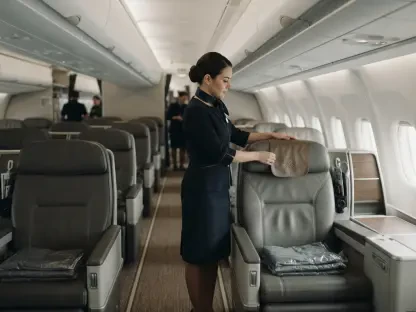

The transition of Marriott’s room assignment process from manual labor to an automated system has liberated thousands of hours for staff to focus on guest personalization. This strategic shift highlights a broader transformation within the global hospitality sector, where the integration of artificial intelligence is no longer a futuristic concept but a standard operational reality. While the public focus often rests on flashy guest-facing innovations like robotic room service or holographic concierges, the most profound impact occurs behind the scenes. Authentic hospitality, characterized by a genuine emotional connection between the host and the guest, cannot be manufactured through algorithms; rather, it is the natural byproduct of a workforce that is well-supported and cognitively unburdened. By prioritizing backstage health through intelligent automation, hotel brands are discovering that they can actually enhance the humanity of their service. This theater of service requires a seamless internal operation where housekeeping, maintenance, and administrative teams work in synchronized harmony, ensuring that when an employee steps onto the stage of the lobby or dining room, they possess the mental clarity and emotional energy necessary to deliver a truly personalized and memorable experience for every visitor.
Research on Empathy and Service Quality
Recent academic investigations into guest perceptions provide a sobering look at the limitations of technology-only service models. A comprehensive study of travelers in Portugal who frequently utilized AI-powered hotel services revealed a striking disconnect between technological convenience and brand loyalty. While guests appreciated the speed and efficiency of automated systems, researchers found that these factors were not the primary drivers of their intent to return. Instead, the only reliable predictor of long-term guest loyalty was the empathy demonstrated by human employees during the stay. This suggests that while technology can handle the functional aspects of a stay, it often fails to provide the emotional resonance that guests crave. Traditional luxury properties that have been converted into high-tech smart hotels frequently receive feedback regarding the coldness of the experience. When a technical glitch occurs or a guest has a unique request that falls outside the programmed parameters of an AI, the absence of a capable human to mitigate the frustration leads to a precipitous drop in satisfaction ratings, proving that digital tools should always be viewed as a supplement rather than a total replacement.
The necessity for a human touch is not constant throughout the guest journey; rather, it fluctuates based on the specific context and emotional weight of the situation. Travelers generally prefer human interaction during high-stakes moments, such as the initial check-in process or the resolution of a significant billing discrepancy. Conversely, automated systems are often preferred for routine, low-stakes inquiries like asking for the gym hours or requesting extra towels. Interestingly, some research suggests that guests may actually prefer interacting with a machine in embarrassing contexts where they might feel judged by a fellow human. Furthermore, a guest’s desire for emotional connection tends to increase as their stay progresses; while a business traveler might prioritize frictionless speed at the start of a trip, a leisure traveler often seeks out storytelling and local insights that only a person can provide. This nuanced understanding of when to deploy human staff versus automated systems is becoming a critical competency for modern hotel managers who must balance efficiency with the high-touch expectations of a diverse and global clientele.
Overcoming the Administrative Burden in Modern Hotels
A major hurdle to high-quality service in the current landscape is the administrative overload that plagues hotel workers across all departments. When front-desk agents, concierges, and housekeepers are buried under a mountain of repetitive, data-heavy tasks such as manual reservation entry, cross-referencing invoice data, or coordinating room assignments, they often begin to act mechanically. This phenomenon, frequently described as the robotification of the workforce, is the antithesis of true hospitality. If an employee is physically and mentally exhausted by the chaos of disorganized backstage operations, they lack the emotional energy required to engage in meaningful interactions on the front floor. The strategic goal of technology in 2026 is to liberate these employees from the drudgery of mundane chores. By automating the invisible workflows that occupy so much of the workday, hotels can effectively buy back time for their staff. This liberated time is then reinvested into the guest experience, allowing a receptionist to offer a genuine smile and a personalized recommendation instead of staring at a computer screen trying to resolve a software conflict.
Leading global hotel brands have already begun implementing sophisticated backstage tools designed to empower their teams. For instance, Accor has introduced an internal AI assistant known as The Butler, which serves as a massive knowledge base for employees, providing instant answers to operational questions and connecting staff with relevant experts. Similarly, the Four Seasons utilizes AI to translate guest messages across over one hundred languages in real time, yet the brand maintains a strict policy that every final response must be written by a human. This approach uses high-tech tools to bridge communication gaps while ensuring the high-touch essence of the brand remains intact. Beyond communication, modern housekeeping platforms now integrate cleaning plans, maintenance requests, and scheduling into a single interface, ensuring that the backstage remains perfectly synchronized. These innovations prevent the firefighting mentality that often leads to staff burnout, creating a more stable and professional environment where employees feel they have the tools necessary to succeed without being overwhelmed by administrative noise.
Strategies for Managing the Hospitality Labor Crisis
The global hospitality sector is currently grappling with a severe labor shortage, with many regions missing roughly ten percent of their required workforce and turnover rates remaining at historic highs. When a seasoned employee leaves a property, the hotel loses far more than just a pair of hands; it loses institutional memory, which includes the specific knowledge of regular guest preferences and the unique quirks of the building. To counter this drain, top-tier hotel groups are shifting their strategic focus toward the employee experience. Research conducted by Hilton indicates that modern workers value a sense of belonging and a transparent relationship with their management far more than traditional perks or small bonuses. Trust and community have become the new currencies of retention in a competitive market. By creating a culture where staff members feel respected and valued, hotels can build a loyal internal community that is much more likely to provide the high level of service that guests expect, even during periods of high occupancy or operational stress.
Investing in digital literacy and continuous skill development has also emerged as a critical component of successful hotel leadership. Currently, there is a notable gap between the AI skills required for modern operations and the training provided to hospitality workers; while over twenty percent of tech sector employees have received AI training, only a small fraction of travel industry workers can say the same. Hotel groups like Radisson are addressing this by investing heavily in leadership and digital education to ensure their staff feels confident navigating new technological landscapes. This commitment to professional growth not only improves operational efficiency but also aligns the internal culture with the external brand promise. When employees feel competent and supported by their leadership, they are empowered to take ownership of the guest experience. This creates a virtuous cycle where the care provided to the staff is directly reflected in the care the staff provides to the guests, effectively turning the workplace into a training ground for genuine human connection.
Mitigating the Operational Risks of Technology
Implementing technology without a strictly human-centric focus can lead to significant operational risks that undermine the guest experience. One of the most prevalent issues is AI anxiety among the workforce, where employees fear that new systems are being introduced to replace them rather than support them. Without transparent communication and inclusive training, this fear can lead to decreased morale or even quiet boycotts of new tools, rendering expensive investments useless. Furthermore, if automation is too rigid, it can strip employees of their professional autonomy. Research indicates that when hotel systems are overly automated, staff members often feel unable to step in and save the day when something goes wrong. However, employees who are granted a high degree of autonomy are much more effective at navigating technology-related failures, leading to significantly higher guest satisfaction scores. Maintaining a balance where technology provides the data and the human provides the judgment is essential for a resilient service model.
Another growing concern is the potential for social isolation among staff members who spend the majority of their shifts interacting with machines rather than colleagues. Human beings are inherently social, and in a service industry, they require interaction with others to maintain their own emotional batteries and stay motivated. A recent study found that employees who primarily work alongside robots as their main colleagues tend to become more indifferent and emotionally exhausted over time. This highlights the importance of maintaining a collaborative human environment even as more automated tools are introduced into the backstage. Technology should be positioned as a tool that facilitates teamwork, not as a replacement for the social fabric of the hotel. Leaders must be proactive in fostering human-to-human connections within their teams, ensuring that the digital efficiency of the hotel does not come at the cost of the mental health and social well-being of the people who make the hospitality experience possible.
Building a Sustainable Future for the Service Industry
The industry ultimately moved toward a model where deeply human hospitality was viewed as an inside-out phenomenon. It became clear that providing a world-class experience for guests was impossible if the internal experience for the staff remained broken or neglected. Hotel leaders recognized that empathy was the non-negotiable core of their business, and they treated technology as a servant to that empathy. By focusing on the backstage—the invisible processes and the people who managed them—organizations successfully built a foundation for consistent excellence. This shift required a transition toward servant leadership, where the primary goal of management was to provide the team with the right tools and the psychological safety to make independent decisions. When employees were given the freedom to act and the digital support to handle mundane tasks, they became significantly more invested in the overall success of the brand, leading to a period of unprecedented innovation and guest satisfaction across the global hospitality landscape.
Actionable strategies for the future involved a rigorous assessment of every technological implementation through the lens of employee empowerment. Organizations that thrived were those that asked how a new software could reduce a housekeeper’s physical strain or a receptionist’s mental fatigue. They invested in the backstage not as a cost center, but as the primary engine of guest delight. By the time these practices became standard, the artificial divide between high-tech and high-touch had largely vanished. The most successful properties proved that the magic experienced by the guest was never an accident; it was the result of a well-supported human being who finally had the time to truly listen and respond with heart. This historical pivot served as a reminder that in an increasingly automated world, the most valuable asset a company could possess was a person who felt cared for and empowered to care for others. Moving forward, the industry stood ready to embrace further digital evolution while keeping the human element firmly at the center of its identity.