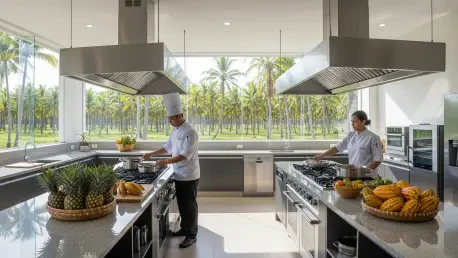

The aromatic scent of wood-fired kitchens blending with the salty breeze of the Macajalar Bay defines the sensory identity of a province currently standing at a pivotal crossroads of economic evolution. Misamis Oriental, long regarded as the gateway to Northern Mindanao, has historically relied on its industrial ports and agricultural vastness to drive its regional prominence. However, the shift in global travel preferences toward authentic and immersive experiences suggests that the true catalyst for future growth lies within the local cooking pots and ancestral recipes of its diverse communities. From the sharp tang of freshly prepared sinuglaw to the delicate sweetness of Camiguin-adjacent pastel, the culinary landscape offers a narrative of cultural convergence that remains largely underutilized in formal tourism strategies. As travelers increasingly seek out destinations that provide a “taste of place,” the province faces the challenge of transforming its fragmented food scene into a cohesive, market-ready asset that can compete on an international stage while preserving its core identity.
The Economic Engine: Scaling Local Gastronomy
Building on the current economic momentum, the development of structured food trails across the province presents a significant opportunity to revitalize rural economies and create sustainable employment for marginalized sectors. By mapping out specific routes that highlight unique local delicacies, such as the binaki of rural highland farms or the seafood specialties of coastal municipalities, the local government can encourage visitors to venture beyond the urban center of Cagayan de Oro. This geographic dispersion of tourism traffic is essential for ensuring that the financial benefits of the industry reach small-scale producers and family-owned eateries that are often bypassed by traditional tour operators. Furthermore, the promotion of food heritage encourages the formalization of the informal food sector, providing street vendors and artisanal makers with access to training in food safety and business management. Such initiatives not only improve the visitor experience but also bolster the resilience of the local supply chain by creating consistent demand for native ingredients.
The integration of agricultural production with the hospitality sector, commonly referred to as farm-to-table tourism, serves as another vital pillar for regional growth from 2026 to 2028. Misamis Oriental possesses an abundance of high-quality raw materials, including pineapples, coconuts, and premium cacao, which can be showcased through immersive farm stays and interactive cooking workshops. These experiences allow tourists to engage directly with the origins of their food, fostering a deeper appreciation for the province’s agricultural heritage while providing farmers with a secondary source of income. Investment in agritourism infrastructure, such as improved road access to remote plantations and the establishment of boutique tasting rooms, is necessary to bridge the gap between production and consumption. By positioning the province as a premier destination for culinary education, local stakeholders can attract a higher-spending demographic that values transparency and sustainability. This strategic alignment ensures that the growth of tourism does not come at the expense of the environment but rather supports the preservation of the natural landscape.
Strategic Implementation: The Path to Sustainable Tourism
The successful preservation of food heritage requires a sophisticated digital strategy that leverages modern technology to archive and promote traditional knowledge before it is lost to modernization. Current efforts involve the creation of a comprehensive digital repository that documents the specific preparation techniques used by Higaonon tribal elders and long-standing family establishments. By utilizing augmented reality and interactive mobile applications, tourism authorities can provide travelers with real-time information about the historical significance of the dishes they are consuming. This technological layer adds value to the culinary journey, transforming a simple meal into an educational encounter that resonates with younger, tech-savvy audiences. Moreover, social media platforms and influencer partnerships play a crucial role in shaping the global perception of Misamis Oriental as a culinary destination. Highlighting the aesthetic and cultural depth of local cuisine through high-quality visual content helps to build a brand that is both modern and deeply rooted in tradition, ensuring long-term relevance.
The comprehensive implementation of the provincial food heritage roadmap focused on long-term sustainability and the empowerment of local communities. Strategic partnerships between the Department of Tourism and private sector investors led to the creation of modernized culinary hubs that served as centers for both innovation and preservation. These facilities provided the necessary infrastructure for artisanal producers to scale their operations without compromising the authenticity of their traditional methods. Public policy shifted toward protecting indigenous intellectual property, ensuring that the unique flavors of the region remained a protected asset for future generations. Extensive marketing campaigns successfully repositioned Misamis Oriental as a standalone destination for gastronomic exploration rather than just a logistical hub. The resulting increase in visitor arrivals and local revenue proved that investing in cultural assets was a viable path toward inclusive economic development. This shift in perspective finalized the province’s status as a leader in regional tourism, demonstrating that food was indeed the most powerful tool for cultural connectivity and growth.