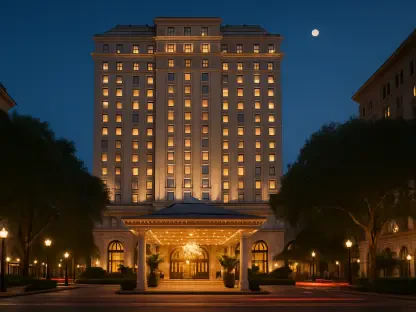

The successful integration of five distinct dining venues at The Global Ambassador serves as a proof of concept for Sam Fox’s new luxury hospitality framework. This strategic move signifies a broader shift in the high-end travel market, where modern travelers are increasingly seeking properties that offer more than just a place to sleep. By prioritizing the culinary experience as the foundation of the hotel rather than an afterthought, the hospitality industry is witnessing a redefinition of what boutique luxury can achieve. Fox, a figure synonymous with massive restaurant scaling, is now pivoting toward a model that emphasizes artistic control and seamless service. This transition is not merely about changing industries; it is about applying decades of high-volume dining expertise to fix the often fragmented world of hotel operations. As the boundaries between dining and lodging continue to blur, this integrated approach provides a compelling blueprint for modern hospitality developers who wish to capture the attention of a more sophisticated, global clientele.
The Evolution of a Hospitality Empire
Scaling and Selling: The Culinary Legacy
The bedrock of Sam Fox’s career is built upon the success of Fox Restaurant Concepts, an organization that redefined the American casual and fine dining landscapes through nearly 200 distinct restaurant openings. Over three decades, the firm developed over 20 unique brands, including the health-conscious Flower Child and the upscale North Italia, which eventually became household names across the United States. This massive scaling effort culminated in a landmark financial event when The Cheesecake Factory acquired the company for approximately $353 million. This sale was a testament to the scalability and operational excellence of the brands Fox had authored from the ground up. Even after the acquisition, the expansion continued aggressively, with the original portfolio growing to over 100 locations across thirteen different concepts. This enduring success highlighted the robust nature of the business systems and culinary philosophies Fox established during his long tenure.
Following the acquisition, the focus remained on the long-term sustainability of these brands within a larger corporate structure. Fox’s involvement did not end with the signing of the contract; instead, he dedicated several years to ensuring that the culture and quality of Fox Restaurant Concepts remained intact under the new ownership. This period of stewardship was critical for maintaining the brand equity that had been built over twenty years of constant innovation. By working closely with the transition team, he helped bridge the gap between his entrepreneurial vision and the institutional requirements of a publicly traded company. This period allowed the restaurant group to leverage the massive resources of The Cheesecake Factory while retaining the creative spirit that initially drove its popularity. This strategic continuity ensured that the transition was seamless for both employees and guests, proving that visionary hospitality can survive and thrive even after a major corporate handover.
A Calculated Move: Transitioning to Independence
The decision to officially depart from Fox Restaurant Concepts in late 2024 was a deliberate and calculated step toward a new chapter of professional life. This exit was not a reaction to corporate friction but rather a planned evolution that allowed Fox to focus entirely on his new venture, Author & Edit Hospitality. By stepping away from the daily operations of a massive restaurant portfolio, he gained the freedom to pursue independent projects that require intense personal oversight and creative dedication. This “second act” in his career is defined by a shift from quantity to quality, moving away from the pressures of high-volume brand scaling toward the intricate details of luxury hotel development. The transition allowed for a clean break from his previous role as a CEO of a restaurant empire to his new identity as a boutique hotelier. This move was necessary to provide the mental and financial bandwidth required to launch complex, multi-million dollar hospitality projects.
Formation of Author & Edit Hospitality provided the structure needed to operate outside the constraints of traditional corporate oversight. This independence is a key driver for the pivot toward hotels, as it allows for total control of every aspect of the guest experience without needing approval from a parent company. In this new role, Fox acts as both a developer and a visionary, managing everything from site selection and financing to the final touches of interior design. This hands-on approach is a departure from the later stages of his restaurant empire, where many responsibilities were naturally delegated to a large executive team. By returning to a more intimate management style, he can ensure that his personal philosophy of service is reflected in every corner of his new properties. This shift toward independence signifies a desire to build legacy projects that are deeply personal and uniquely tailored to specific markets, rather than creating concepts designed for nationwide replication.
The Philosophy of Integrated Service
Authoring and Editing: The Creative Process
The naming of his new firm, Author & Edit, is a direct reflection of a specific hospitality philosophy that views the creation of a property as an iterative artistic process. To “author” a project means taking on the monumental task of building a vision from the ground up, which includes the hard work of securing development sites, negotiating budgets, and assembling a cohesive team of experts. This phase is about the architecture of both the building and the business model itself. However, the “edit” phase is where Fox believes the true magic of hospitality is found. This involves the constant, daily refinement of the atmosphere, service protocols, and guest interactions based on real-world observations and feedback. This philosophy suggests that a luxury property is never truly finished; it is a living document that must be continuously revised to maintain its relevance and excellence. This commitment to the editing process ensures that the guest experience remains fresh and vibrant.
This integrated approach was specifically designed to solve the problems Fox identified in traditional luxury hotel models. In many major hotel chains, different departments such as food and beverage, housekeeping, and valet often operate in isolated silos, frequently managed by separate third-party companies. This fragmentation often leads to a disjointed guest experience where the quality of service varies wildly from the lobby to the dining room. By owning and operating every single department within the “four walls” of his hotels, Fox eliminates these silos and creates a unified standard of care. This method ensures that every employee, whether they are a barista or a front desk agent, is trained under the same philosophy and shares the same goals. This level of total operational control is rare in the luxury sector but is essential for creating the seamless, frictionless environments that modern high-end travelers have come to expect from independent boutique properties.
Strategic Growth: Redefining Luxury Hospitality
The Global Ambassador in Phoenix stands as the flagship achievement of this integrated philosophy, having quickly earned a prestigious Michelin Key and immense critical acclaim. This project was born from an inspiration found in the family-owned hotels of Europe, where the owners are deeply involved in the daily life of the property. Unlike corporate hotels that can feel cold or standardized, this property was designed to feel like a personal residence with a high degree of character and warmth. The success of the hotel has proven that a restaurateur’s mindset—focused on efficiency, speed, and guest delight—can be successfully translated into the complex world of lodging. By focusing on the local community as much as the overnight guests, the hotel has become a vibrant social hub for the city. This dual focus has helped the property achieve financial stability and cultural relevance faster than many traditional hotel developments that rely on occupancy rates alone.
The transition from a restaurant magnate to an independent hotelier was ultimately defined by a shift from brand replication to artisanal creation. The industry observed how the integrated service model successfully addressed the historical fragmentation of hotel management by prioritizing a unified guest experience across all departments. Future developments suggested that the “Author & Edit” philosophy would continue to influence the boutique hotel landscape as traveler preferences moved toward curated, locally relevant properties. Leaders in the field noted that the ability to maintain world-class dining standards within a luxury hotel framework provided a significant competitive advantage over traditional operators. As these new projects matured, the organization focused on refining the synergy between hospitality and entertainment to capture a wider share of the luxury market. These strategic moves provided a clear pathway for others to follow, reinventing veteran expertise for an integrated future.