
The picturesque coastal village of St Mawes is currently witnessing a significant shift in its hospitality landscape as preparations intensify for the debut of Holy Crab, a sophisticated new dining destination scheduled for early 2027. This ambitious venture serves as the culinary centerpiece for Elysium St Mawes, a transformative project that seeks to breathe new life into a historic waterfront structure originally erected in 1904. By blending the charm of Edwardian architecture with the requirements of a modern luxury retreat, the development aims to establish a new benchmark for coastal excellence in Cornwall. Beyond its role as a high-end hotel and spa, the site is positioned to become a focal point for the community, revitalizing the local quay while offering visitors a curated experience that balances historical preservation with contemporary design. As the project nears completion, the anticipation within the regional tourism sector reflects a broader trend toward high-caliber destination dining.
Elite Leadership: Culinary Pedigree and Operational Excellence
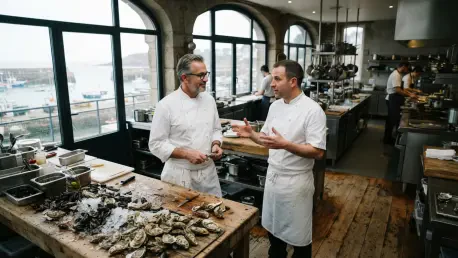
At the helm of this ambitious kitchen is Executive Chef Stéphane Delourme, an industry veteran whose name has become synonymous with the highest standards of British seafood preparation. Having dedicated more than two decades to the legendary Seafood Restaurant in Padstow under Rick Stein, Delourme brings an unparalleled depth of knowledge regarding the local waters and the nuances of seasonal ingredients. His transition to the Elysium Collection signals a new chapter for Cornish gastronomy, where technical precision meets a deep-seated respect for the natural bounty of the Atlantic. His approach eschews unnecessary complexity in favor of highlighting the inherent quality of the catch, a philosophy refined over years of leading one of the nation’s most prestigious dining rooms. This expertise is expected to serve as the foundation for Holy Crab, ensuring that every dish reflects the heritage and craftsmanship that have long defined his storied career in the Southwest.
Complementing this seafood mastery is Head Chef Tom Hunter, whose extensive background in high-end hotel operations provides the operational backbone necessary for such a large-scale coastal development. Previously serving as the Head of Food for Red Hotels, Hunter was instrumental in managing the culinary offerings at renowned properties like The Scarlet and Bedruthan, where he honed his skills in delivering consistent excellence within a luxury resort environment. His fifteen years of experience in the regional hospitality sector allow him to navigate the complexities of modern dining, from staffing and logistics to the meticulous curation of guest experiences. Together, Delourme and Hunter form a formidable partnership that bridges the gap between boutique restaurant artistry and large-scale hospitality management. This collaborative synergy is designed to ensure that the dining experience at Elysium St Mawes remains both innovative and seamlessly executed, catering to the expectations of a sophisticated international clientele.
Gastronomic Identity: Mediterranean Seafood and Regional Character
Holy Crab is meticulously designed as a destination restaurant that prioritizes an informal yet refined atmosphere, focusing heavily on Mediterranean-inspired interpretations of traditional Cornish seafood. The menu is structured to offer flexibility, catering to those seeking a casual selection of small plates as well as diners looking for a comprehensive multi-course meal. Patrons can expect to find sophisticated appetizers such as half-shell scallops, crispy panko oysters, and Cornish octopus served in the traditional à feira style. These dishes are intended to showcase the versatility of local ingredients when paired with global culinary techniques, creating a bridge between the rugged Cornish coast and the sun-drenched flavors of Southern Europe. By utilizing light, aromatic components like charred tomato and lemon aioli, the kitchen aims to elevate the natural sweetness of the shellfish without masking its origin, providing a refreshing alternative to traditional coastal fare.
Central to the dining experience is the signature hot shellfish platter for two, a centerpiece dish that aggregates the finest specimens from the day’s catch, including crab claws, scallops, mussels, and clams. This offering is complemented by substantial main courses such as a traditional bouillabaisse featuring gurnard and hake, and a rich crab linguine enriched with cuttlefish and prawns. Recognizing the diverse preferences of modern travelers, the culinary team has also integrated high-quality non-seafood options into the Mediterranean framework. Guests can enjoy dishes ranging from crispy duck shawarma flatbreads to a classic Cornish rib-eye steak, ensuring the restaurant remains accessible to a broad audience. This strategic diversification allows Holy Crab to function as a versatile venue that meets the needs of hotel residents while simultaneously acting as a stand-alone magnet for food enthusiasts exploring the Roseland Peninsula and the wider Falmouth Bay area.
Strategic Sourcing: Community Integration and Sustainability
A foundational element of the project’s success is its deep integration into the local economic ecosystem, achieved through strategic partnerships with established Cornish suppliers. The culinary team has secured long-term agreements with Matthew Stevens, a multi-generational fish merchant known for providing traceable, high-quality seafood to the region’s top kitchens. This commitment to hyper-local sourcing extends to the meat program, which utilizes Brian Etherington Meats to ensure that every protein served adheres to strict standards of animal welfare and regional provenance. Furthermore, the wine list has been curated in collaboration with Old Chapel Cellars in Truro, emphasizing a selection that complements the coastal menu while supporting independent regional businesses. By keeping the supply chain within the county, Elysium St Mawes reinforces its role as a responsible corporate citizen, preserving the gastronomic heritage of Cornwall while fostering sustainable growth for the local maritime and agricultural sectors.
In conclusion, the establishment of Holy Crab and the broader Elysium St Mawes development provided a clear blueprint for the future of sustainable luxury hospitality in coastal regions. By prioritizing the restoration of historic landmarks and the integration of high-level culinary talent, the project successfully addressed the growing demand for authentic, localized experiences. Stakeholders and future developers should consider this model of hyper-local sourcing and architectural preservation as a viable strategy for revitalizing waterfront communities without compromising cultural identity. Looking ahead, the focus must remain on maintaining these high standards of service and sustainability to ensure long-term viability in an increasingly competitive market. The integration of wellness facilities alongside destination dining served to create a holistic environment that appealed to year-round visitors, suggesting that such multi-functional ecosystems are essential for the next generation of premium coastal resorts.