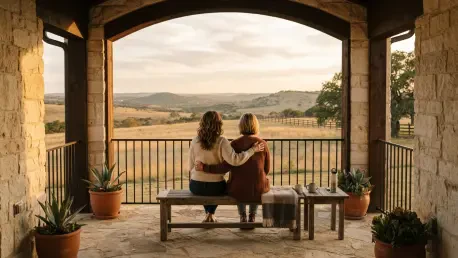

The integration of local culture extends to songwriting workshops and live performances by Austin musicians, grounding the high-level wellness programs in Texan tradition. This approach distinguishes the property from conventional medical retreats, offering a sophisticated blend of clinical rigor and regional warmth. Nestled within a 600-acre landscape near Lake Travis, the sanctuary serves as a pinnacle of the brand’s evolution in 2026. By focusing on the unique environmental characteristics of the Texas Hill Country, the resort successfully bridges the gap between luxury hospitality and evidence-based health optimization. Visitors no longer seek isolated treatments; they demand a cohesive narrative that aligns recovery with the spirit of the land. This shift represents a broader movement toward hyper-local experiences that do not compromise on scientific efficacy. Through architectural intentionality, the facility sets a new benchmark for immersive healthcare retreats today.
Regional Identity and Design
Architecting a Sense of Place: The Lake Flato Vision
The physical environment of the resort reflects a deep respect for the rugged elegance of the Hill Country, a feat achieved through the collaborative efforts of the renowned architecture firm Lake Flato. Unlike the sterile, clinical environments often associated with medical wellness centers, this property utilizes ranch-style buildings that feel organically integrated into the limestone ridges and live oak groves. Breezy porches and expansive floor-to-ceiling windows are strategically positioned to invite natural light and provide uninterrupted views of the surrounding wilderness, reinforcing the connection between guests and the outdoors. This architectural philosophy is centered on “biophilic design,” which posits that human health is inextricably linked to the presence of natural elements. By prioritizing open-air corridors and native materials, the structures minimize the psychological distance between indoor luxury and the restorative power of the landscape, fostering tranquility.
Cultural Elements: Authenticity in the Texas Landscape
Beyond the structural design, the resort incorporates regional nuances into the minute details of the guest experience, ensuring that the luxury remains approachable and authentic. A partnership with the Austin-based outfitter Tecovas brings a touch of local craftsmanship to the facility, with staff uniforms that include custom-tailored Western wear and guest rooms equipped with practical tools like boot jacks. These cultural touchpoints serve a dual purpose: they ground the visitor in the specific geography of Texas while stripping away the formality often found in elite spas. The intention is to create a space where guests feel comfortable moving from a high-tech health consultation to a relaxed social setting without a jarring shift in tone. Every element, from the tactile quality of weathered wood to the specific acoustic properties of the common rooms, was selected to foster a sense of belonging. This focus ensures that the journey feels like a genuine exploration of the region.
Integrated Health and Specialized Care
Synergizing Professional Expertise: A Holistic Ecosystem
A defining characteristic of the operations at this facility is the intentional dismantling of the traditional “siloed” model of wellness services. In many luxury retreats, massage therapists, nutritionists, and physicians operate in isolation, providing fragmented advice that rarely coalesces into a unified strategy. Here, the framework is built on a collaborative ecosystem where practitioners across multiple disciplines actively communicate and cross-refer guests to ensure comprehensive care. A visitor might begin their day with a physiological assessment that informs their dietary choices at lunch, which in turn influences the specific recovery treatments recommended by their sports medicine specialist in the afternoon. This level of professional synergy allows for a more nuanced understanding of an individual’s needs, moving past surface-level symptoms to address the underlying drivers of health. The goal is to provide a seamless transition between various modalities, creating a personalized roadmap for vitality.
The Women’s Wellness Collective: Targeted Health Strategies
Central to this mission is the Women’s Wellness Collective, an initiative led by board-certified specialists who focus on the complex health challenges faced by women across different life stages. Directed by Dr. Riteesha Reddy, a rheumatologist with expertise in inflammation and hormonal balance, the program addresses topics that are frequently overlooked in standard clinical settings, such as perimenopause, postpartum recovery, and the long-term management of autoimmune health. By utilizing a holistic framework, the collective connects physical symptoms with nutrition, sleep hygiene, and body care, offering a specialized level of attention that is both empathetic and data-driven. This approach recognizes that women’s health is not a static category but a dynamic process requiring evolving strategies for vitality. The program provides guests with actionable insights and professional support, empowering them to take control of their health through informed decision-making and sustainable lifestyle changes.
The Evolution of Vitality: Sustaining Long-Term Health
The establishment of this Hill Country sanctuary provided a transformative blueprint for the future of the wellness industry by merging clinical precision with the warmth of local culture. It was through this intentional integration that the facility moved beyond being a mere destination and became a catalyst for long-term behavior change. Those who optimized their health within this framework in 2026 recognized the importance of environmental factors—such as light, sound, and social connection—alongside traditional metrics like diet and exercise. The success of this model suggested that the next generation of wellness would be defined by its ability to offer specialized care within a context that feels authentic and grounded. For the individual, the most effective next step was to seek out environments that foster professional collaboration and provide a comprehensive, science-backed roadmap. By prioritizing these integrated systems, guests achieved a level of vitality that was both transformative and sustainable.