
The transition of the Margaret River Hotel into a high-standard destination reflects a growing demand for hospitality experiences that are deeply connected to their specific geographic locations. As travelers increasingly seek authenticity over generic opulence, the renovation of this historic Western Australian landmark by the Holmes à Court family’s company, Heytesbury, serves as a pivotal case study in the evolution of regional tourism. This project avoids the sterile tropes of international luxury chains, opting instead for a philosophy described as elevated regionalism. By meticulously preserving the heritage character of the original structure while integrating sophisticated modern amenities, the redevelopment seeks to bridge the gap between Margaret River’s rugged coastal identity and a new tier of high-end service. The result is a venue that feels grounded in its environment yet offers a level of refinement that aligns with global standards in 2026.
Materiality and Design: A Local Aesthetic
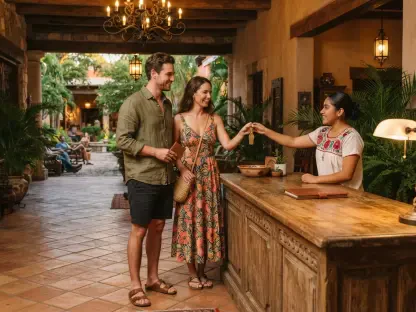
The interior design functions as a visual narrative of the Southwest landscape, eschewing the trend of mass-produced aesthetics in favor of traditional Western Australian materials. Central to this approach is the extensive use of richly stained jarrah wood and textured rammed earth walls, which provide a tactile connection to the surrounding terrain. These elements are paired with modern geometric patterns that introduce a contemporary edge without overshadowing the historic charm of the building. By selecting materials that age gracefully and possess an inherent local history, the design team has created a space that feels both timeless and innovative. This deliberate architectural choice ensures that the hotel does not simply sit on the land but feels like an organic extension of it, offering guests a sensory experience that is unique to the region’s geological and cultural heritage. It represents a move away from generic luxury styles.
Functionality within the venue is achieved through a strategic bifurcation of the common spaces, allowing for a diverse range of social interactions. The first floor is divided into two distinct environments: a casual bar with warm floorboards and a more formal dining room featuring elegant tiling. This separation caters to the varied needs of both local residents and international visitors, providing a space for a quick drink as well as a setting for celebratory meals. An alfresco courtyard further extends the dining experience, utilizing the natural light and temperate climate of the Margaret River region to enhance the atmosphere. This layout reflects a deep understanding of modern hospitality dynamics, where guests often oscillate between high-energy social settings and more intimate culinary experiences. By offering these two worlds within a single footprint, the hotel maintains its role as a community hub while establishing itself as a premier destination for travelers.
Operational Strategy: The Path Forward
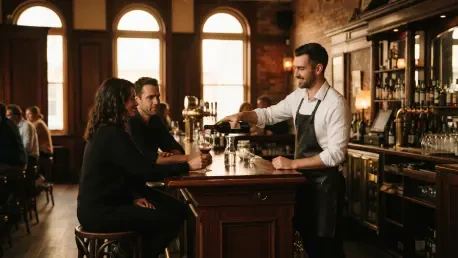
At the heart of the hotel’s social offering is Bernard’s, a corner bar and dining room that prioritizes a hyper-local beverage strategy. Managed by seasoned drinks professional Kevin Clark, the program features an exclusively Western Australian wine list, showcasing the world-class viticulture that has made the region famous. This focus extends to the spirits selection, which remains entirely Australian, and a curated list of local craft beers that celebrate the robust brewing culture of the Southwest. By focusing on regional exclusivity, Bernard’s avoids the standard global portfolios found in most luxury hotels, offering guests an educational journey through the local terroir instead. This approach not only supports local producers but also positions the bar as a sophisticated middle ground between the town’s informal pubs and the intensity of high-end vineyard restaurants. It serves as a showcase for the best the state has to offer, presented with the highest care.
Moving forward, the successful relaunch of this landmark suggests that the future of regional luxury lies in the balance between heritage preservation and modern operational efficiency. Operators looking to replicate this success should prioritize the integration of local artistry and regional supply chains to build genuine brand equity. The transition into a high-standard destination was completed with the opening of Bernard’s in late 2025, followed by the commencement of guest stays in early 2026. This phased rollout allowed the staff to refine the guest experience before full-scale operations began, providing a clear model for large-scale renovations. Stakeholders should now consider how digital integration can further enhance these physical spaces without detracting from the tactile luxury that guests clearly crave. Maintaining this delicate equilibrium was essential as more regional icons sought to modernize while keeping their historical identities intact for future generations.