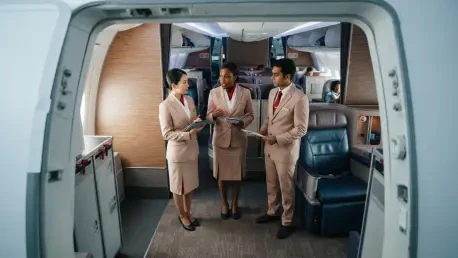

The development of the U-Dream headrest for Economy Class illustrates a commitment to ergonomic innovation that extends beyond the airline’s high-end premium cabins. This focus on individual comfort across all seating tiers helped propel Emirates to the top of the inaugural 2027 World’s Best Airlines list, published through a collaboration between TIME and the research firm Statista. The ranking represents a significant shift in how aviation excellence is measured, moving away from simple popularity contests toward a robust analysis of passenger satisfaction and operational data. By securing the first-place position, the Dubai-based carrier has demonstrated that its multibillion-dollar investments in fleet modernization and service quality are resonating with a global audience. This accolade recognizes the airline’s ability to maintain a high level of service even as it manages one of the largest wide-body fleets in the world, proving that scale and luxury can coexist in the modern era of commercial flight. The achievement highlights a period of competition where carriers must innovate to meet the expectations of global travelers who prioritize reliability and high-end amenities during long-haul journeys.
Methodology: Quantitative Metrics and Operational Reliability
The methodology behind the 2027 rankings avoids the pitfalls of subjective bias by utilizing a rigorous quantitative study conducted by Statista. This comprehensive survey engaged passengers from every continent, requiring respondents to rate only the specific carriers they had actually flown during the three-year period leading up to 2027. By focusing on longitudinal data rather than recent trends or single marketing campaigns, the researchers were able to capture a more accurate picture of sustained performance. The evaluation criteria were exhaustive, encompassing everything from cabin comfort and onboard connectivity to culinary offerings and value for the money. This data-driven approach ensures that the final rankings reflect a genuine consensus among frequent flyers who experience these services daily. The inclusion of diverse metrics allows for a nuanced understanding of how an airline performs across different demographics, highlighting the importance of a versatile service model that caters to various traveler needs.
Beyond passenger sentiment, the ranking incorporates hard operational data such as on-time performance, safety records, and technical reliability. This dual-pillar approach provides a holistic view of an airline’s health, acknowledging that a luxurious cabin means little if the flight is consistently delayed. Emirates’ success in this area is a direct result of the “no finish line” philosophy championed by President Sir Tim Clark, which emphasizes perpetual improvement across all facets of the organization. This organizational culture rejects the idea of scaling back during industry downturns, instead doubling down on infrastructure and human capital. By ensuring that the fundamentals of flight operations are handled with precision, the airline has built a foundation of trust with its customer base. This strategy has proven essential for maintaining a competitive edge in a market where operational disruptions can quickly erode brand loyalty and diminish even the most sophisticated premium travel experiences.
Infrastructure: Cabin Modernization and Digital Connectivity
A central component of the carrier’s recent strategy is a massive seven-billion-dollar cabin retrofit program aimed at standardizing luxury across its entire operational fleet. This initiative reflects a significant industry trend toward the democratization of premium features, ensuring that the latest seat designs and cabin layouts are not restricted to a few flagship routes. To date, the airline has successfully updated 108 aircraft, introducing the highly anticipated Premium Economy cabin to a global audience. These specialized seats represent a significant leap in ergonomic design, featuring electrically powered adjustments and integrated privacy dividers that offer a sense of seclusion previously reserved for higher classes. By bridging the gap between Business and Economy, the airline has effectively captured a growing segment of travelers who are willing to pay for enhanced comfort without the full cost of a business-class ticket. This strategic investment in hardware demonstrates a long-term commitment to maintaining a modern and consistent product offering.
In addition to physical hardware upgrades, the airline has prioritized digital connectivity as a core element of the passenger experience. The integration of high-speed Starlink Wi-Fi across 74 aircraft marks a major milestone in providing seamless internet access at thirty thousand feet. This service is now offered complimentary to all passengers, regardless of their ticket class, addressing a primary demand of the modern workforce and leisure travelers alike. The ability to stream high-definition content, conduct video calls, and maintain productivity without interruption transforms the aircraft cabin into a functional extension of the home or office. This move toward “always-on” connectivity is part of a broader trend where digital amenities are viewed as essential utilities rather than optional luxuries. By removing the financial barriers to in-flight internet, the airline has set a new benchmark for connectivity that competitors must match, solidifying its position as a leader in passenger-centric innovation.
Service Strategy: Specialized Care and Future Considerations
The hospitality model employed by the airline is characterized by its immense scale and attention to regional nuances, particularly in its culinary and entertainment offerings. With a catering operation that produces over one thousand five hundred unique daily menus, the carrier ensures that food reflects the cultural identity of its diverse destinations. This localized approach to dining is complemented by the award-winning ice entertainment ecosystem, which now boasts over six thousand five hundred channels of content in forty different languages. Such a vast library of films and television shows allows for a highly personalized journey, catering to the specific tastes of a global passenger base. The frequent updates to these systems ensure that even the most frequent flyers encounter fresh content and seasonal flavors on every trip. This commitment to variety in soft services plays a crucial role in the airline’s success, as passengers feel that the price of their ticket includes a comprehensive and premium experience.
Beyond traditional metrics, the 2027 rankings highlighted the airline’s leadership in social responsibility and specialized passenger care. This is most evident in the implementation of “travel rehearsals” designed specifically for families traveling with neurodivergent children, including those with autism. By offering these families the opportunity to familiarize themselves with the airport and aircraft environment before their actual departure, the airline significantly reduces the stress associated with air travel. Such initiatives, available across more than eighty destinations, demonstrate a sophisticated understanding of inclusivity that goes beyond standard hospitality. Furthermore, the provision of dedicated children’s meals and toys ensures that the youngest passengers are well-catered for. This focus on the psychological and logistical well-being of all travelers has helped the airline secure top marks for family-friendliness, proving that a world-class carrier must be capable of meeting the complex and varied needs of every individual on board.
The results of the 2027 global rankings confirmed that a successful aviation strategy required a balance between capital expenditure and a commitment to human service. Emirates demonstrated that by investing in both the physical fleet and the digital experience, a carrier could maintain its dominance even in a volatile market. The transition to high-speed connectivity and the rollout of more comfortable seating across all classes proved to be decisive factors in securing passenger loyalty. Moving forward, the industry was expected to look toward the integration of more sustainable practices and the expansion of specialized services to remain competitive. For carriers aiming to replicate this success, the primary takeaway was the necessity of an unwavering focus on the end-to-end customer journey. Future developments in the sector pointed toward greater personalization through artificial intelligence and a continued emphasis on reducing travel friction. As the aviation landscape evolved, the benchmark for excellence was defined by those who viewed service as a perpetual pursuit.