
September 4, 2027, will see international runners gather in Kasese for a marathon that traverses the diverse ecological landscapes of Queen Elizabeth National Park. This initiative represents a sophisticated display of sports diplomacy, recently showcased by the Ugandan Embassy in Addis Ababa during the Great Ethiopian Run in late 2026. By utilizing one of Africa’s most prominent athletic gatherings, which attracted over 60,000 participants, Ugandan officials aimed to position the country as a premier destination for adventure tourism. This activation was not merely participation in a sporting event but a calculated move within a broader economic and commercial diplomacy agenda. The primary objective remains catalyzing interest in the sixth edition of the Tusker Lite Mt. Rwenzori Marathon. By engaging with a massive audience of runners in Ethiopia, the mission sought to convert regional athletic enthusiasm into tangible travel bookings and long-term tourism interest. This strategy highlights a shift toward destination marketing through people-to-people relations.
Strengthening Regional Ties and Diplomacy
Ambassador Rebecca Amuge Otengo, serving as Uganda’s representative to Ethiopia and the African Union, highlighted how this initiative serves the dual purpose of deepening historical bonds while advancing economic statecraft. By utilizing Addis Ababa’s unique status as a continental diplomatic hub, the mission successfully invited the international community to explore the “Pearl of Africa.” This outreach was designed to move beyond traditional political discourse, focusing instead on tangible economic benefits through tourism. The presence of the Ugandan delegation at the Great Ethiopian Run allowed for direct engagement with a diverse group of international expatriates and local athletes. This effort demonstrated how diplomatic missions are evolving into proactive marketing agencies. By fostering these connections, Uganda aims to create a sustainable pipeline of visitors who view the region as a unified travel circuit. The focus on sports provides a neutral yet powerful platform for building regional solidarity and mutual economic growth.
The timing of the promotional activities was strategically aligned with the cultural calendars of both nations, encouraging runners to celebrate the 2027 marathon in tandem with the Ethiopian New Year. This synchronization aimed to foster a sense of shared regional identity and mutual benefit, positioning the marathon as a collective East African celebration. By inviting Ethiopian athletes to participate in the Kasese event, the mission sought to bridge the gap between two of the continent’s most vibrant cultures. The promotion emphasized that the marathon is more than an athletic competition; it is an invitation to experience the hospitality and heritage of Uganda. Such cultural diplomacy serves to break down barriers and create lasting people-to-people relations that transcend political borders. The initiative also focused on the Ugandan diaspora in Ethiopia, encouraging them to act as brand ambassadors for their home country. This multi-layered approach ensures that the message of tourism reaches a wide variety of stakeholders through authentic channels.
Unique Features of the Marathon Experience
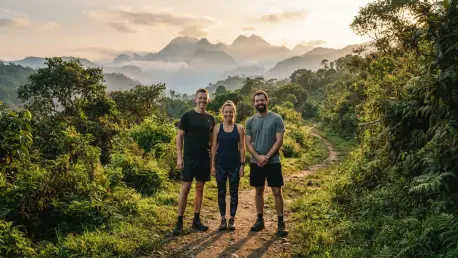
The Mt. Rwenzori Marathon distinguishes itself from standard city races by offering an extraordinary mountain experience that features five of Africa’s ten highest peaks. Participants have the rare opportunity to witness permanent glaciers and snowfields situated directly on the Equator, a geographical marvel that serves as a primary draw for international visitors. Team Leader Amos Wekesa pointed out that this event provides a sensory and athletic journey unlike any other on the continent. The course is meticulously designed to showcase the diverse ecosystems of the region, providing runners with views of ancient ice caps and lush tropical forests. This unique combination of equatorial heat and glacial landscapes creates a compelling narrative for adventure seekers looking for a world-class challenge. By branding the event as an “extraordinary mountain experience,” organizers are successfully differentiating the Ugandan tourism product. This focus on niche sports tourism helps to capture a segment of the market that values physical exertion and natural beauty.
To ensure inclusivity and attract a broad spectrum of talent, the 2027 event offers multiple distances, including 42.2km, 21.1km, 10km, and 5km categories. This variety ensures that the marathon remains accessible to recreational runners while still providing a challenge for professional athletes. Organizers established a substantial prize pool of UGX 290 million to attract elite talent and elevate the competitive profile of the race. A key feature of this incentive structure is the commitment to gender parity, with equal winnings awarded to the top finishers in both the men’s and women’s categories. This policy underscores Uganda’s commitment to equality in sports and serves as a model for other regional competitions. By rewarding the top eight finishers in the major categories, the marathon provides a financial incentive that can significantly impact the careers of athletes. This competitive framework is intended to draw high-profile runners from across the globe, including the legendary long-distance specialists of East Africa, raising the event’s prestige.
Economic Growth and Strategic Execution
This promotional campaign is a vital component of Uganda’s “Tenfold Growth Strategy,” a national roadmap that seeks to expand the country’s GDP to US$500 billion by 2040. Tourism is recognized as one of the four “ATMS” anchor sectors, alongside agro-industrialization, mineral development, and science. The strategy identifies tourism as a critical driver for foreign exchange earnings and enterprise development. Data from the Ministry of Tourism, Wildlife, and Antiquities has shown a strong upward trajectory, with international arrivals generating roughly US$1.62 billion in annual revenue. By integrating marathon promotion into diplomatic activities, Uganda is bridging the gap between destination marketing and practical commercial sectors. The goal is to leverage large-scale events to stimulate investment in local infrastructure and services. This approach ensures that the economic benefits of tourism are distributed more broadly, supporting small and medium-sized enterprises in the hospitality and transport sectors. The marathon acts as a catalyst for this regional development.
The promotional drive in Ethiopia established a new standard for how sports are utilized as a lever for national economic growth. This strategy successfully linked the passion for athletics with the practical goals of tourism development and regional diplomacy. Officials recognized that the marathon provided a unique platform to showcase the country’s natural beauty and institutional readiness. The engagement effectively integrated the cultural and economic interests of the region, creating a roadmap for future international collaborations. By focusing on actionable steps such as digital registration and public-private partnerships, the initiative moved beyond simple marketing to create real economic opportunities. The results of this activation suggested that Uganda was well-positioned to achieve its ambitious growth targets through a combination of soft power and strategic investment. This approach ensured that the nation remained a top-of-mind destination for travelers seeking authentic experiences, marking a significant evolution in its global branding strategy.