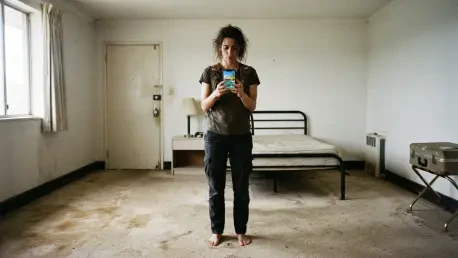

The widespread use of standardized AI templates is threatening to dilute the unique brand identity and texture of major international hospitality chains. While digital tools have long been used to perform basic aesthetic adjustments like color correction or the removal of temporary distractions from a frame, the current shift toward the complete fabrication of environments represents a fundamental departure from honest marketing. This transition from traditional retouching to what experts call visual “hallucination” is creating a profound crisis of trust between lodging providers and their customers. Travelers who once relied on promotional photography to make informed decisions now find themselves navigating a landscape of digital dreamscapes that often bear little to no resemblance to the physical properties they eventually inhabit. This discrepancy has turned the routine process of booking a room into a “blind box” gamble, where the actual quality of the stay is sacrificed for the sake of generating high click-through rates on booking platforms. As consumers become more sophisticated in identifying these artificial markers, the very tools intended to attract them are instead becoming significant barriers to meaningful engagement and brand loyalty.
The Anatomy of Artificial Deception
Modern travelers are developing a keen eye for the uncanny characteristics that define AI-generated property imagery, leading to an immediate sense of skepticism during the search process. One of the primary indicators of this digital fraud is an unnatural level of cleanliness and physical smoothness that defies the laws of nature. In these rendered scenes, guest room duvets often appear without a single wrinkle, and carpets are depicted with a texture so uniform they look more like polished surfaces than woven fabric. Furniture frequently displays a “plastic” sheen that feels disconnected from the physical environment, creating a sterile atmosphere that many find uninviting rather than aspirational. This hyper-perfection triggers a psychological red flag for users, as the lack of natural imperfections—the very details that suggest a space is lived-in and real—makes the entire offering feel untrustworthy and suspicious from the outset.
Beyond the simple beautification of existing spaces, some operators are using generative technology to invent entire facilities that do not exist anywhere on the property. It has become increasingly common to see listings featuring rooftop swimming pools, lush tropical courtyards, or elaborate children’s playgrounds that are entirely the product of a digital prompt. When guests arrive, they often find these “amenities” replaced by active construction sites, dusty roads, or dilapidated neighboring buildings that were conveniently erased by the AI. This represents a dangerous evolution from the old industry practice of using flattering camera angles to a new era of “fraudulent construction.” By creating hardware environments that are physically non-existent, hotels are not just exaggerating their appeal but are actively deceiving the public about the fundamental nature of the product they are selling, leading to a total breakdown in the service-provider relationship.
Overarching Trends and Regulatory Responses
A powerful consensus is currently forming among consumers, ethical hotel operators, and government regulators that the current trajectory of AI usage in hospitality marketing is fundamentally unsustainable. This growing resentment is manifesting as a massive surge in negative feedback on social media platforms, where guests frequently post side-by-side comparisons of the AI “vision” versus the “grim reality” they encountered. Such public shaming has led to a noticeable increase in immediate booking cancellations and a general decline in the perceived value of major brand names. Travelers are no longer willing to excuse these discrepancies as minor marketing flourishes; instead, they view them as a systematic attempt to scam them out of their hard-earned vacation experiences. The resulting backlash is forcing the industry to reconsider how it balances technological innovation with the basic requirement for honesty in advertising.
Government bodies are finally beginning to step in to address these grievances, with several regional market administrations now officially classifying deceptive AI imagery as a form of false advertising. This marks a significant shift in how misleading photos are treated, moving them from the category of minor industry nuisances to serious legal violations of a consumer’s right to accurate information. There is also a rising concern regarding the “bad money driving out the good” phenomenon within the hospitality sector. Honest hoteliers who invest significant capital into authentic professional photography and physical property maintenance are finding themselves unfairly penalized by booking algorithms. These automated systems often prioritize the high engagement and click-through rates generated by “fairy tale” AI images, effectively pushing truthful listings further down the search results and incentivizing more owners to adopt deceptive practices to stay competitive.
Economic Incentives for Digital Fabrication
To understand why property owners continue to lean into AI despite the clear risks of legal penalties and public outcry, one must examine the intense economic pressures defining the market in 2026. Traditional high-quality architectural photography is both expensive and time-consuming, requiring professional crews and ideal weather conditions. In contrast, high-precision AI retouching and image generation have become a “cheap assembly line business” where a series of convincing photos can be produced for the price of a single lunch. When basic image generation can be performed at near-zero cost using simple keyword prompts, the temptation to bypass traditional marketing costs becomes overwhelming for many. This low barrier to entry has commodified deception, allowing even the most neglected properties to present themselves as luxury destinations with minimal financial investment.
The gap between physical renovation and digital “beautification” further fuels this trend, particularly for older properties or those currently undergoing lengthy upgrades. Updating the actual infrastructure of a hotel—such as replacing old carpets, painting facades, or installing modern fixtures—requires a massive capital outlay and often results in lost revenue due to room closures. By contrast, “renovating” a property digitally through AI takes effect instantly and requires no downtime. In a current market landscape where the supply of rooms often exceeds traveler demand, struggling operators view these deceptive images as their only lifeline for capturing initial customer interest. For these owners, the immediate need for cash flow often outweighs the long-term risk of a damaged reputation, creating a cycle of short-term gains at the expense of sustainable guest satisfaction and brand health.
Notable Incidents of Property Misrepresentation
Several high-profile cases of AI fraud have recently come to light, serving as a stark warning to the broader hospitality sector about the consequences of fabrication. In one notable instance, a hotel in Danzhou City promoted itself using vibrant images of lush greenery and high-end, futuristic laundry facilities. However, arriving guests discovered that the property was actually sandwiched between two busy roads and a cluster of residential houses, with its “advanced” laundry room consisting of a single, rudimentary washing machine in a cramped corner. Local authorities quickly flagged this as a textbook case of fabricated hardware environments designed specifically to mislead the public. The incident went viral, causing a significant drop in bookings for the region and highlighting how a single dishonest operator can cast a shadow of doubt over an entire local tourism market.
Another widely reported incident occurred in a popular tourist destination where a hotel used AI to “beautify” its rooftop swimming area by adding an exquisite wooden pavilion and seamless views of a mountain range. The physical reality was a messy construction zone, with tower cranes and scaffolding visible from every angle of the pool. The public outrage following this revelation forced the hotel management to issue a public apology and admit that the AI tools had been used to enhance the scene well beyond any recognizable version of reality. These cases demonstrate that the industry’s current problem is not limited to simple “touch-ups” or the removal of an unsightly trash can from a photo. It involves the wholesale replacement of a drab or unfinished reality with a digital lie, leaving consumers feeling frustrated and betrayed by the very brands they trusted to provide a sanctuary.
Long-Term Risks to Global Brand Equity
The widespread adoption of deceptive AI imagery does not merely affect small, independent motels; it poses a systemic threat to the integrity of major international hospitality brands. Trust remains the primary currency of any successful hotel chain, and that currency is being rapidly devalued through homogenization and visual trickery. If major brands allow their franchisees to use standardized AI templates for their properties, the unique “soul” and local texture that define a brand’s identity begin to disappear. When every lobby and guest room across a continent looks identical in photos—down to the specific placement of digital flowers and the “perfect” smiles of AI-generated staff—the brand becomes a modular, uninteresting product that fails to connect with the human desire for unique travel experiences.
Historically, top-tier hotel brands enjoyed a level of “unconditional trust” where consumers would book a room without feeling the need to scrutinize every photo for signs of manipulation. If these brands continue to permit or overlook the use of deceptive AI imagery, that hard-earned privilege will vanish entirely. Once a consumer feels they have been “tricked” by a major brand, they naturally apply that skepticism to all future interactions with that company and the industry as a whole. This erosion of trust forces brands to spend significantly more on customer acquisition and marketing to overcome the hurdles of doubt and the lingering sting of social media shaming. The long-term cost of rebuilding a tarnished reputation far exceeds any temporary benefit gained from an AI-generated image that inflated booking numbers for a few months.
Practical Solutions for Reclaiming Transparency
Industry experts are suggesting that while AI is not an inherent villain, its current application in property visuals is becoming toxic to the general health of the sector. The hospitality industry should ideally embrace AI for backend efficiencies, such as dynamic pricing models, energy management, and data analysis, rather than using it to create fictional physical spaces. Using technology to lie about the physical reality of a product is increasingly recognized as a form of brand suicide that prioritizes short-term occupancy over long-term survival. Moving forward, the industry must distinguish between the “useful AI” that improves guest services and the “deceptive AI” that alienates customers before they even check in. Reclaiming the narrative of authenticity requires a commitment to showing the property as it truly is, imperfections and all.
Platform algorithms also require urgent reform to ensure that honest operators are not marginalized by those using fabricated imagery. As long as major booking websites prioritize clicks above all else, the incentive to use deceptive “fairy tale” images will remain. There is a growing call for platforms to integrate authenticity scores or verified “real-shot” galleries from recent guests to provide a counterpoint to official promotional materials. In this new era, the ability to prove a photo is authentic will likely become a more valuable marketing asset than the ability to make a photo look perfect. Transparency is the only viable cure for the “blind box” effect that is currently plaguing the industry, and hotels that lead the way in verified imagery will likely find themselves at a competitive advantage as consumer demand for honesty continues to rise.
Psychological Dimensions of Consumer Disappointment
The modern traveler views their vacation as much more than just a place to sleep; it is an investment in life experiences and personal social capital. When a guest arrives at a “fairy tale” hotel only to find a wasteland of construction or neglect, the resulting disappointment is not merely financial but deeply emotional. This emotional intensity explains why the current backlash against AI imagery is so severe. The digital lie invalidates the consumer’s careful decision-making process and makes them feel embarrassed for being scammed by a computer-generated image. In a world where travelers share their lives online, being the victim of a “catfish” hotel is a public blow to their savvy as a consumer, leading to a much more aggressive and vocal response than a simple service complaint might trigger.
The industry shifted toward a model where guests felt that hotels using AI had bypassed the hard work of hospitality—such as maintaining cleanliness and investing in physical service—in favor of a digital shortcut. This perception of laziness and fundamental dishonesty was what infuriated the modern guest the most. In an era where AI was used for everything from writing emails to generating art, raw authenticity became a luxury commodity that guests were willing to pay a premium for. The hotels that survived the initial visual backlash were those that realized a guest would much rather stay in a real, well-maintained room with a few wrinkles in the sheets than a digital palace that existed only on a high-resolution screen. By prioritizing the truth over digital perfection, these properties established a new standard for trust that redefined the hospitality landscape for the remainder of the decade.