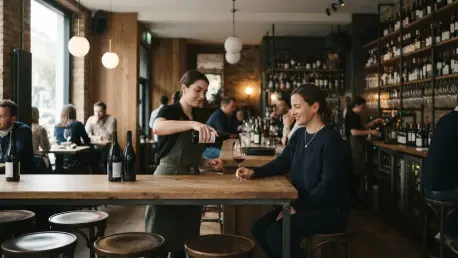

The drinks program at the new location will feature a curated selection of wine flights and specialty cocktails like the Chai Espresso Martini to complement the all-day dining format. This expansion into Chelsea marks a pivotal growth phase for Willows, an independent brand that has spent the last four years refining its signature style in the vibrant neighborhood of Clapham. Opening its doors on Friday, November 27, the venue is strategically positioned at 79 Duke of York Square, placing it within the prestigious orbit of the Saatchi Gallery and the bustling King’s Road. This establishment serves as a response to the demand for versatile spaces that transition from morning productivity to evening leisure. By selecting such a prominent corridor, the founders are signaling a commitment to quality neighborhood service while inviting an international audience to experience their unique blend of culinary excellence and approachable atmosphere in a prime London setting.
Shared Visions and Professional Heritage
The foundation of this brand is rooted in a lifelong connection between its founders, Billy Bolton and Rebecca Howes, who first met at age 12. Their professional journey into the London hospitality scene was a natural evolution of a shared childhood passion for hosting dinner parties, a hobby that eventually transitioned into managing established kitchens together across the city. Before launching their independent venture in 2022, they gained the critical operational experience necessary to navigate the complexities of the industry. This deep-seated bond allows them to execute a vision of informal hospitality, where the focus remains on high-quality seasonal ingredients and expert techniques without the rigid formality found in high-end dining. Their approach emphasizes the human element of service, creating an environment where staff and patrons share an appreciation for quality, making the restaurant feel like a natural extension of the local community and a welcoming social hub.
Moving from the original Clapham site to the more established surroundings of Chelsea required a careful recalibration of the brand’s core values to ensure the concept remained authentic while scaling. The success of the initial location served as a vital proof of concept, demonstrating that modern diners value flexibility and a sense of belonging over traditional meal structures. In Chelsea, the duo intends to expand upon this foundation by integrating more sophisticated wine offerings and a larger physical footprint that accommodates a diverse range of social interactions. This move represents a strategic refinement of their business model, designed to capture a wider demographic that includes weekend tourists, local professionals, and long-term residents seeking a refined yet casual haunt. The founders have meticulously planned every aspect of this transition, ensuring that the essence of their initial success is preserved even as they introduce more complex culinary elements and an elevated program.
Phased Architectural Development
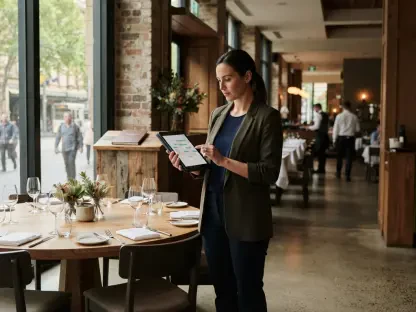
The architectural layout of the new venue is a testament to the founders’ desire for versatility, occupying a spacious two-story property that can accommodate up to 100 guests at full capacity. The rollout of the space is being executed in a deliberate, phased manner to ensure each floor receives the necessary operational attention. The ground floor, which serves as the primary dining hub, features a sophisticated blend of traditional table seating and high-top counter options, allowing for both quick solo visits and larger communal gatherings. An open kitchen is a central design element here, providing a transparent look into the culinary process and fostering a sense of connection between the chefs and the patrons. Furthermore, the inclusion of an outdoor courtyard space significantly enhances the venue’s appeal, offering a rare alfresco dining option in the heart of Chelsea. This configuration is specifically designed to handle the high volume of a diverse all-day dining service.
Looking ahead to the early months of the coming year, the establishment will reach its full operational potential with the debut of the second floor in February 2027. This upper level is envisioned as an intimate retreat, contrasting with the vibrant energy of the ground floor. Designed specifically as a dedicated wine bar, the space will feature warm-toned walls, soft lighting, and relaxed couch seating to encourage longer, more contemplative visits. This architectural separation allows the brand to cater to multiple needs simultaneously, providing a quiet corner for wine enthusiasts while the ground floor remains a bustling center for dining. Additionally, the upper floor will function as a versatile venue for private events, which represents a strategic diversification of the brand’s revenue streams in a competitive market. By creating distinct zones, the founders are able to offer a comprehensive hospitality experience that ranges from a morning coffee ritual to an exclusive tasting event.
Culinary Innovation and Market Trends
The culinary identity of the restaurant is anchored by a unique smörgåsbord-style menu that prioritizes customization and guest interaction. This format allows diners to build their own experience by selecting a variety of small dishes, creating a personalized board that reflects their specific tastes and appetite levels. During the daylight hours, the kitchen focuses on inventive breakfast and lunch offerings that highlight seasonal produce through creative pairings. For example, the breakfast menu features items such as scrambled eggs enhanced with creamed celeriac and a spicy tomato habanero kick, while the lunch service introduces flavor-dense options like miso squash with tamarind tahini and a rich mushroom pâté. As the sun sets, the dining experience transitions into a sharing-plate model, where larger portions like rib-eye with wild mushrooms and celeriac smoked Cheddar croquettes take center stage. This flexibility ensures that the kitchen remains relevant throughout the entire day.
The strategic opening of Willows Chelsea demonstrated how independent hospitality brands successfully navigated the transition into high-traffic luxury retail zones by maintaining a focus on personalized service. By integrating earthy design elements and natural materials in collaboration with Emma Webster, the founders created an environment that resonated with modern consumers who valued authenticity. This expansion mirrored a wider industry trend where neighborhood-centric models provided a competitive alternative to traditional corporate chains. For future operators, the phased rollout and the emphasis on a customizable menu format offered a blueprint for sustainable growth in saturated markets. Investors and hospitality professionals took note of how the brand leveraged its beverage program, particularly the rotating wine flights, to drive engagement beyond standard dining hours. Ultimately, the Chelsea project confirmed that a commitment to informal hospitality was a powerful driver for brand loyalty and commercial success in the city.