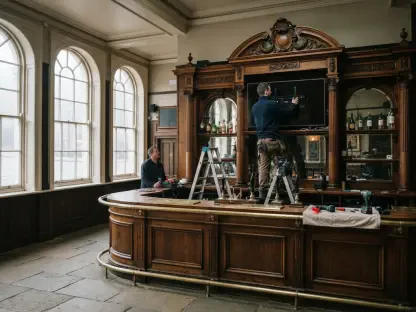

The independent dining scene in Ocala functions as a social hub where the architectural charm of historic buildings complements the integrity of the ingredients served. This vibrant landscape offers a refreshing departure from the predictable corridors of national franchises that often dominate the major intersections of Marion County and The Villages. By prioritizing “honest food” and authentic Florida hospitality, these owner-operated establishments have created a culinary roadmap for those seeking scratch-made alternatives that celebrate the unique character of the region. As the 352 area code continues to experience rapid demographic shifts, the persistence of these independent eateries serves as a vital counter-narrative to corporate chain fatigue. Whether nestled in a historic district or tucked away in a dense forest corridor, these locations reward adventurous diners with high-quality experiences that emphasize local culture. This trend reflects a broader consumer desire for transparency, quality, and a genuine connection to the community during the holiday season and beyond.
Hidden Culinary Treasures
Discovery in Unconventional Settings
Some of the most celebrated flavors in North Central Florida are frequently located in the most unexpected environments, challenging the traditional notion that high-tier quality is tied to prime real estate. For instance, authentic Cuban sandwiches and traditional café con leche have found a thriving home within the confines of a gas station plaza, where the focus remains entirely on the precision of the press and the richness of the roast. Similarly, tucked-away cafes situated inside RV resorts cater to a loyal base of regulars who value the consistency of homemade biscuits and gravy over the convenience of a drive-thru. These establishments demonstrate that in the Ocala and Silver Springs corridor, culinary excellence is often decoupled from external aesthetics. By choosing unconventional locations, these owner-operators are able to focus their resources on sourcing superior ingredients and maintaining artisanal standards, providing a memorable experience for those willing to look beyond the main thoroughfares.
The psychological appeal of these “hidden gems” creates a unique bond between the restaurant and the patron, fostering a sense of discovery that modern franchises cannot replicate. When a diner finds a world-class lobster roll or a perfectly prepared whole-belly clam in a roadside setting near a state forest, the experience transcends the meal itself. This phenomenon has turned many modest locations into destination eateries where the community gathers specifically for the craft rather than the convenience. Furthermore, these unconventional spots often serve as the economic lifeblood for smaller neighborhoods, proving that a dedicated following can be built on the strength of a single signature dish or a welcoming atmosphere. The success of these venues highlights a significant shift in consumer behavior where the search for authenticity leads diners into the heart of local parks and residential plazas. This grassroots culinary movement ensures that the diverse flavors of the region remain accessible and grounded in the daily lives of the local population.
Commitment to Scratch-Made Comfort
A profound dedication to from-scratch cooking serves as the foundational pillar for the independent food identity in this part of the Sunshine State. Many of the highest-rated local favorites operate essentially as an extension of the family kitchen, where the daily routine involves baking bread from scratch and slow-simmering Havana pot roast to achieve a level of tenderness that massive catering operations simply cannot achieve. This focus on domestic comfort is a defining feature of establishments like Primary Tavern Restaurant & Bakery, where the aroma of fresh dough signals a commitment to quality that begins long before the doors open to the public. By prioritizing these labor-intensive processes, local chefs offer a “grandma’s kitchen” energy that resonates deeply with families, particularly during the busy holiday weeks when a sense of home is most desired. This culinary integrity ensures that every plate served carries a personal touch, reinforcing the bond between the producer and the consumer.
The emphasis on homemade staples extends beyond main courses to include decadent desserts and iconic Southern side dishes that define the regional palate. Eateries such as Todd and Shelly’s Farmhouse and Miz Kathi’s Cotillion Cafe & Sweetery have built their reputations on items like fried green tomatoes, savory meatloaf, and an array of homemade pies and cakes. These dishes are not merely menu items but are artifacts of a shared Southern heritage that prioritizes the use of fresh, local produce and traditional preparation methods. This dedication to culinary craft provides a necessary alternative to the standardized, frozen fare of national chains. In an era where efficiency often supersedes quality, these independent kitchens remain steadfast in their pursuit of excellence. For the local resident, these establishments represent a reliable source of comfort and tradition, ensuring that the art of Southern cooking remains a vibrant part of the modern Florida lifestyle while supporting the regional agricultural economy.
Regional Variety and Scenic Ambience
Influence of Diverse Regional Flavors
The North Central Florida corridor acts as a fascinating melting pot for various regional American cuisines, brought to the state by passionate expatriates who wish to preserve the culinary traditions of their home regions. This is perhaps most evident in the presence of New England-style seafood houses located in the middle of Florida forest corridors, where patrons can find authentic lobster rolls and clams that meet the standards of the Maine coastline. These establishments, such as Lena’s Seafood, bridge the geographic gap between the Northeast and the South, offering a specialized dining experience that enriches the local food scene. This diversity allows residents of Ocala and The Villages to explore a wide range of flavor profiles without leaving their immediate vicinity. The presence of these specialized eateries reflects a sophisticated population that appreciates the nuances of regional cooking, from the precise brine of Atlantic seafood to the specific textures of a traditional Northern deli sandwich.
Beyond coastal influences, the regional landscape is dotted with traditional Italian-American delis and pizzerias that emphasize family-style portions and artisanal bread production. Locations like Magnolia Bakery and Sammy’s Pizza focus on the fundamental elements of their craft, such as fermenting dough properly and sourcing high-quality cheeses to create a product that honors their heritage. This commitment to regional specialization provides a sophisticated array of choices for diners who might otherwise be limited to generic interpretations of Italian cuisine. These businesses often function as cultural anchors, providing a space where the traditions of the Midwest or the Northeast are kept alive through recipes passed down through generations. The intersection of these varied culinary backgrounds creates a rich tapestry of options that defines the 352 area code as a legitimate food destination. This synthesis of flavors not only satisfies the cravings of relocated residents but also educates the local palate on the importance of regional authenticity and culinary history.
Embracing the Authentic Florida Landscape
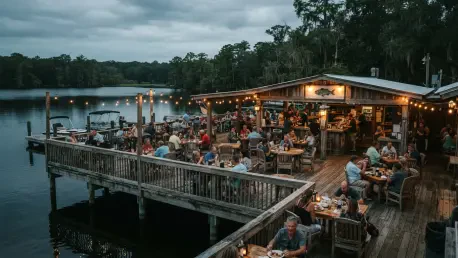
For those seeking a true sense of place, several independent establishments offer a quintessential “Old Florida” experience that integrates the natural beauty of the landscape with the dining table. Waterfront dining rooms and rustic lodges, such as Gator Joe’s in Ocklawaha, provide scenic vistas that capture the relaxed, natural vibe of the region. These locations offer more than just a meal; they provide a historical and environmental connection to the Florida wilderness, where the sound of the water and the shade of ancient oaks enhance the overall sensory experience. By specializing in local staples like fried catfish and gator tail, these restaurants honor the traditional diet of the region’s early settlers. The combination of fresh air, lake views, and time-tested recipes creates a leisure experience that corporate chains, with their sterile environments and standardized decor, simply cannot replicate. This connection to the environment makes these spots essential for anyone wishing to understand the soul of North Central Florida.
The architectural and historical significance of these scenic eateries often contributes to their status as long-standing community landmarks. For example, Catfish Johnny’s in Lake Panasoffkee has maintained a rustic lodge atmosphere since the 1990s, serving as a reliable anchor for both locals and travelers navigating the inland waterways. These establishments prioritize a slower pace of life, encouraging guests to linger over their meals and appreciate the surrounding wildlife and water. This lifestyle-centric approach to dining is a hallmark of the independent scene in Marion County, where the environment is treated as an active participant in the dining experience rather than just a backdrop. As development continues to transform the Florida landscape, these authentic outposts remain vital stewards of the state’s heritage. They offer a sanctuary for those who value the preservation of natural vistas and the simple pleasure of a well-cooked meal in a setting that feels timeless and unpretentious, ensuring that the spirit of Old Florida continues to thrive.
Community Hubs and Modern Palates
Eateries as Social Gathering Points
Beyond the composition of their menus, these independent eateries function as the “community living rooms” of the North Central Florida region, providing essential spaces for social interaction and civic engagement. Local coffee shops and general stores, such as Mocha’s and Juniper General Store, serve as vital hubs where the atmosphere is considered just as important as the quality of the charcuterie or the depth of the espresso. In these spaces, the value proposition lies in the personal connection between the owner-operators and the neighborhood they serve. Unlike the transactional nature of high-volume franchises, these independent businesses foster an environment where patrons are recognized by name and where the service is characterized by a genuine sense of care and integrity. This “soulful” approach to hospitality transforms a routine meal or coffee break into a social event that strengthens the fabric of the community, making these venues indispensable to the local lifestyle.
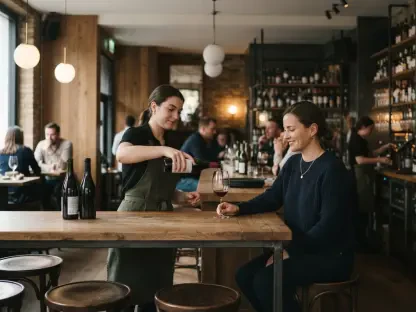
The role of these establishments as social anchors is particularly evident in their ability to adapt to the specific needs of their clientele. Whether it is a quiet afternoon spent over a glass of wine or a bustling morning where neighbors discuss local events over breakfast, these businesses provide a flexible environment that caters to a diverse demographic. The presence of shared tables, local art on the walls, and the absence of corporate branding create a space that feels inclusive and uniquely Floridian. This focus on community-centric values ensures that the business remains resilient even in a competitive market, as the loyalty of the customer base is built on mutual respect and shared experiences. By supporting these local venues, residents are investing in the social health of their towns, ensuring that the unique identity of Ocala and its surrounding areas is preserved. These community hubs remind us that the most successful dining experiences are those that nourish both the body and the spirit through meaningful human connection.
Synthesis: Modern Culinary Shifts
A significant and growing trend in the North Central Florida region is the “casual-gourmet” hybrid, where traditional comfort foods are elevated through superior technical execution and high-quality pairings. Establishments like Archie’s Woodfire Pizza and the Flying Boat Tap Room reflect a local palate that is becoming increasingly sophisticated while remaining grounded in approachable, unpretentious environments. By utilizing wood-fired ovens and offering carefully curated craft beer selections, these eateries cater to a modern desire for food that is both accessible and prepared with professional flair. This shift demonstrates that the local population values innovation and technical skill, even in the context of casual dining. Whether it is a quick-service artisan shop or a destination dinner house with historical charm, these businesses are redefining what it means to eat well in the 352 area code. This evolution reflects a broader movement toward quality over quantity, where the source and preparation of the food are paramount.
The rise of the casual-gourmet model has encouraged a new generation of chefs and entrepreneurs to enter the Ocala market, bringing with them fresh perspectives on traditional recipes. This has led to the introduction of diverse offerings such as specialized wing sauces, artisanal burger blends, and complex charcuterie boards that were once only found in major metropolitan centers. This trend toward culinary elevation does not sacrifice the friendly, laid-back atmosphere that defines the region; instead, it enhances it by providing a more rewarding sensory experience. As the dining scene continues to mature, these establishments are setting a new standard for excellence that influences the entire local economy. The success of these modern hybrids proves that there is a significant appetite for food that is both high-quality and culturally relevant. By blending tradition with modern techniques, these independent restaurants have secured their place as the leaders of the regional food movement, ensuring that the culinary future of North Central Florida is both innovative and deeply rooted in local values.
Strategic Implementation of Local Dining Habits
The success of the independent dining sector in North Central Florida demonstrated that authenticity remained the most powerful currency for local businesses. By prioritizing scratch-made quality and unique locations, these seventeen restaurants established a resilient model that effectively countered the dominance of national franchises throughout the 2026 to 2028 period. Consumers who actively sought out these establishments contributed to a more robust local economy and helped preserve the distinct cultural heritage of Marion County and The Villages. Moving forward, potential visitors and residents should prioritize visiting at least one independent eatery per week to ensure the continued diversity of the region’s culinary landscape. Looking ahead, the integration of local sourcing and community-focused service will likely remain the primary driver for business longevity. Those who invested their time in discovering these hidden gems found that the rewards extended far beyond the plate, fostering a deeper connection to the place they called home. Historical trends confirmed that a thriving independent food scene was essential for maintaining the unique character of growing urban corridors. For the proactive diner, the next step involved exploring the less-traveled roads of Silver Springs and Ocklawaha to uncover the next generation of culinary innovators. This approach not only satisfied the appetite but also served as a practical commitment to the preservation of Florida’s authentic hospitality and artisanal traditions.