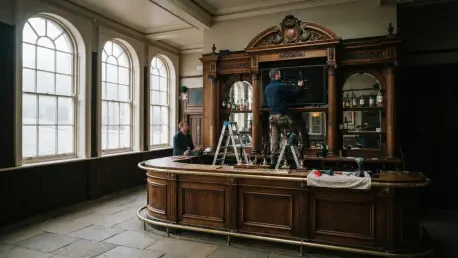

The intersection of Victorian-era architecture and cutting-edge digital entertainment represents a daring evolution for the hospitality sector in Northern England as venues seek new ways to remain relevant. The Station in Preston is currently scheduled to reopen its doors on Friday, November 27, following an extensive £200,000 investment led by the independent operator Blind Tiger Inns. This significant renovation marks a vital milestone for the historic venue, which has stood as a local landmark since the 1850s. Located on Butler Street, the pub occupies a strategic position directly opposite the Preston Railway Station and adjacent to the Fishergate Shopping Center, making it a critical social hub for daily commuters, weekend shoppers, and local residents alike. The project was meticulously designed to modernize the facility’s amenities and high-tech entertainment offerings while carefully preserving the traditional character and original architectural features that have defined the space for over 170 years.
Renovation Strategy: Modernizing the Social Experience
A central theme of this comprehensive renovation is the integration of modern technology into a classic pub environment to create a high-energy social atmosphere. The upgraded interior now features two interactive smart dart lanes and a contactless pool table, reflecting a shift toward interactive gaming that caters to a broad demographic of visitors. These additions are complemented by multiple high-definition television screens positioned throughout the venue, which are intended to elevate the viewing experience for live sports and major events. This focus on premium entertainment is part of a broader strategy to ensure the pub remains a competitive destination in a market increasingly dominated by experiential hospitality. By providing high-tech amenities within a setting that still feels familiar and grounded in history, the operators aim to attract a diverse crowd that values both convenience and the traditional charm of a well-established English pub.
To further increase the venue’s versatility and operational efficiency, the internal floor was completely leveled throughout the entire building during the construction phase. This structural adjustment facilitates a more flexible use of the space, allowing the pub to accommodate relaxed daytime social gatherings and then seamlessly transition into a vibrant area suitable for evening entertainment and dancing. Aesthetic improvements accompany these structural changes, including a completely redesigned bar area, expanded seating options, and newly reupholstered furniture that enhances overall comfort. The visual identity of the establishment has been refreshed with unique interior and exterior murals created by the artist Jano, who also produced a revised version of the pub’s famous gable-end artwork. These artistic touches serve to bridge the gap between the historical significance of the building and its modern role as a dynamic entertainment venue in the heart of Preston’s busy commercial district.
Economic Impact: Sustaining Community Values and Growth
The management of the pub continues under the guidance of the Whittaker family, who have successfully built a strong reputation for hosting live music and fostering a welcoming community atmosphere. According to the current manager, Louise Whittaker, the environment within the venue is specifically designed to encourage travelers and local visitors to stay significantly longer than they might have originally intended. This focus on deep-rooted hospitality and community engagement is a core component of the broader business strategy employed by Blind Tiger Inns. As a Chorley-based operator, the company currently manages a diverse portfolio of 24 venues across the Northwest, including other prominent local establishments like Stanley & Co and The Wishing Well. This regional expertise allows the firm to tailor its investments to the specific needs of local populations, ensuring that historic sites are not only preserved but are also economically viable in the modern landscape.
The successful completion of the renovation project at The Station demonstrated that the most effective way to sustain heritage hospitality assets was through a balanced investment in both modern amenities and historical preservation. By leveling the floors and installing smart technology, the operators created a scalable blueprint for other venues to follow as they navigate the demands of the current market. This project showed that high-definition sports coverage and interactive gaming do not have to clash with a venue’s original character if the design is executed with sensitivity toward architectural history. Managers found that creating a versatile space allowed for a wider variety of revenue streams, from daytime coffee service to late-night events. Industry stakeholders concluded that community-focused strategies were essential for ensuring long-term demographic appeal. To replicate this success, other owners were encouraged to prioritize local artistry and technological convenience.