
The upcoming 2027 pipeline for Design Hotels reflects a growing industry consensus that high-end travelers now prioritize historical preservation and adaptive reuse over standardized luxury environments. This shift marks a departure from the era of cookie-cutter opulence, favoring instead the “Originals”—properties defined by visionary ownership and site-specific narratives. As the brand’s global portfolio surpasses 350 properties, it is positioning itself as a cultural curator rather than a mere lodging provider. By integrating historical depth with contemporary functionality, these upcoming openings cater to a demographic that values the soul of a building as much as its amenities. This evolution is particularly evident in how the brand balances urban expansion with secluded retreats, ensuring that each location serves as a community anchor. The 2027 strategy emphasizes that luxury is no longer about gold-leafed lobbies but about the intelligence of design and the authenticity of the experience provided to guests. This focus on independent identity is reshaping global standards.
Strategic Expansion: The Visionary Originals
Significant momentum gathered in the current year, 2026, has been largely driven by an aggressive expansion within the Americas, which saw the regional portfolio grow beyond 100 properties. A central pillar of this growth was the integration of the Palisociety collection, a move that successfully merged independent boutique charm with a global distribution network. This strategic maneuver allowed Design Hotels to permeate both established metropolitan hubs and emerging, off-the-beaten-path destinations. As the brand approaches 2027, the focus remains on identifying locations where the architecture can speak to the history of the land. This expansion is not merely about increasing room counts but about finding the right partners who share a commitment to creative disruption. By moving into diverse geographical markets, the brand ensures a broad reach that appeals to a wide spectrum of international visitors. This strategy has solidified its role as a leader in the independent hospitality sector globally.
Central to this expansion is the concept of the “Originals,” which refers to the visionary hoteliers who drive the creative direction of each property. These individuals are moving away from decorative, surface-level art toward what many call “documentary” storytelling. This involves integrating portraits and narratives of local residents directly into the hotel’s aesthetic, rooting the guest experience in the actual community. The target demographic for 2027 is the “culturally curious traveler,” a segment that prioritizes fresh perspectives and meaningful social connections over traditional luxury markers. Such travelers are looking for environments that reflect the unique local identity of a place rather than a generic international style. This focus on hyper-local authenticity ensures that each hotel serves as a cultural hub, fostering deeper engagement between the guest and the destination. Consequently, the 2027 pipeline is less about accommodation and more about creating a distinct sense of place through design.
Core Trends: Preservation and Wellness
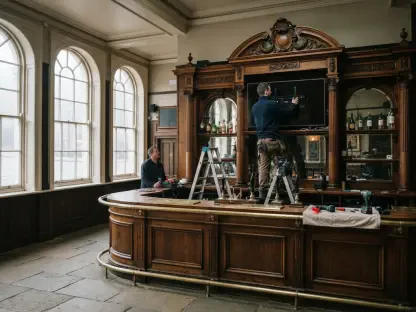
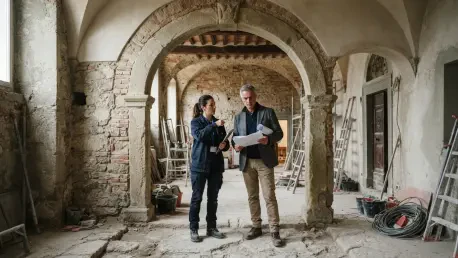
The 2027 pipeline is heavily defined by the trend of adaptive reuse, where developers breathe new life into structures ranging from 17th-century Italian palazzos to 1920s Swedish industrial buildings. This approach requires a delicate balance between preserving the natural patina of the original architecture and incorporating modern infrastructure. For example, by keeping aged plasterwork and historic layouts intact, hoteliers create a sanctuary that feels grounded in time. This commitment to preservation offers a stark contrast to the sterile environments often found in large-scale modern developments. It provides guests with a tactile connection to history, where every crack in the stone and every original timber beam tells a story of the building’s past. As the industry moves into 2027, the success of these projects demonstrates that luxury is increasingly found in the rarity of historic character. This strategy not only saves resources but also creates a product that is inherently unique and difficult to replicate.
Moreover, the 2027 openings signal a profound evolution in wellness, shifting from secondary spa amenities to a foundational philosophy. This new standard prioritizes holistic recovery and physical optimization, featuring advanced thermal circuits and environments engineered for deep, restorative sleep. Wellness is no longer just a treatment on a menu; it is integrated into the architectural form itself, such as subterranean wellness floors bathed in natural light or materials like local clay and terracotta that promote a grounding atmosphere. There is also a notable intersection between high fashion and hospitality, where designers apply sculptural tailoring principles to building aesthetics. This results in monastic, minimalist spaces that mirror the discipline and refinement of high fashion. By focusing on everything from high-intensity training facilities to cold-plunge recovery areas, these properties cater to a lifestyle that values health as the ultimate luxury. This shift ensures the guest’s physical well-being remains a top priority.
Global Highlights: Design and Culture
In Switzerland, the upcoming Le Clay property serves as a definitive flagship for this new era of well-being, located within the UNESCO World Heritage region of Lavaux. Designed with a palette of raw timber and local clay, the hotel harmonizes perfectly with the surrounding terraced vineyards. It balances the requirements of large-scale events with the intimacy of a wellness retreat, featuring a movement studio and a semi-Olympic pool. Meanwhile, the revitalization of Casa Nardò in Puglia, Italy, represents the pinnacle of quiet luxury through the restoration of a 17th-century palazzo. This project emphasizes materiality and light, keeping the original architectural spirit alive while introducing contemporary elements like cocciopesto flooring. The integration of local ceramics and elevated regional cuisine ensures that the property remains an authentic Puglian sanctuary. Both projects highlight a commitment to using traditional materials to create spaces that feel both historic and avant-garde for modern guests.
Greece continues to be a focal point for 2027, with the debut of Eōron near Meteora and the Beyond Luxury Retreat in Crete. Eōron reinterprets traditional stone architecture through a minimalist lens, while the Cretan retreat focuses on the wildness of the rugged terrain. Across the Atlantic, the Palihotel Palm Springs highlights the brand’s playful expansion into the North American resort market. Reimagining a mid-century motor lodge, the property adopts a vibrant, 1970s-inspired aesthetic with a palette of corals and creams. Meanwhile, in Northern Europe, the transformation of a 1920s newspaper headquarters in Malmö into the Note by Nobis hotel represents a masterclass in industrial integration. These properties demonstrate how core design principles can be adapted to suit different regional vibes, moving from the monastic silence of Europe to the irreverent energy of Southern California. This approach ensures that the brand remains accessible to a wide range of independent travelers in various locations.
Future Direction: Strategic Evolution
The 2027 strategic pipeline proved that the hospitality sector could successfully pivot toward a model of meaningful engagement and environmental stewardship. By prioritizing the restoration of historic structures, Design Hotels demonstrated that the most valuable luxury was often found in the preservation of the past rather than the construction of the new. Travelers began to seek out these “Originals” because they offered a sense of continuity and depth that was previously missing from the high-end market. The integration of holistic wellness and hyper-local culinary programs established a new benchmark for how properties could contribute to a guest’s overall well-being. This shift toward adaptive reuse and site-specific design was not merely a trend but a necessary evolution for the industry. This approach ensured that hotels remained relevant to a globally conscious and design-literate audience. The success of these initiatives showed that a property’s identity is its strongest asset in a competitive market.
Looking ahead, hoteliers should consider how to leverage local narratives and sustainable materials to create spaces that are both culturally indispensable and architecturally significant. The transition from decorative aesthetics to documentary storytelling suggests that future luxury will be defined by the depth of a property’s connection to its community. Investors and developers would be wise to focus on adaptive reuse projects that honor local heritage while providing modern, wellness-centric environments. This strategy not only mitigates the environmental impact of new construction but also produces a unique guest experience that cannot be duplicated. As the industry moves further into the decade, the focus will likely remain on physical and mental optimization through design. By fostering social connection and authentic local engagement, hospitality brands can build lasting loyalty among the culturally curious. This evolution represents a broader movement toward travel that is restorative for the destination.