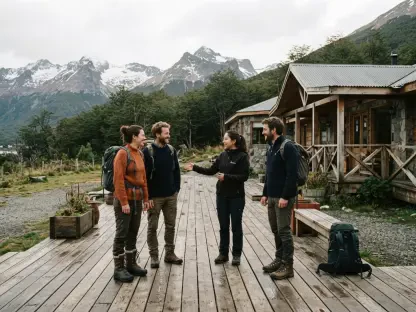

A successful collaboration on a single tourism video can lead to long-term professional relationships with advertising agencies and commercial filmmakers. As destinations seek to differentiate themselves in a saturated global market, the emotional resonance of music has become a primary tool for storytelling. Tourism organizations are no longer just selling a location; they are selling an atmosphere, a feeling, and a sense of belonging. For independent musicians and bands, this shift in marketing strategy creates fertile ground for synchronization licensing. Unlike major television placements that often require high-level industry connections, local and regional tourism boards are frequently more accessible and eager to work with artists who represent the authentic spirit of the area. These campaigns range from short-form social media clips to long-form documentaries, each requiring a specific auditory backdrop. By understanding the intersection of travel marketing and sonic branding, an artist can transform a regional recording into a professional commercial asset that reaches thousands of potential travelers while providing a steady stream of licensing revenue and visibility.
1. Investigate the Marketing Strategy
The first phase of securing a licensing deal involves a deep dive into the specific campaign mechanics of the target organization. Every tourism initiative is designed to appeal to a specific audience, and the music must reflect that demographic’s preferences and expectations. If a city is marketing itself to Gen Z travelers looking for an energetic urban nightlife experience, they will likely seek upbeat indie-pop or electronic tracks with a modern edge. Conversely, a campaign focusing on serene nature retreats or luxury spa experiences will gravitate toward minimalist acoustic or ambient instrumental pieces. An artist must look beyond the images and identify the core message being delivered. Analyzing these nuances allows a band to determine if its catalog contains a song that serves as a natural extension of the visual narrative. This alignment is critical because a track that conflicts with the intended demographic can disrupt the viewer’s immersion, making it unlikely to be selected by the creative directors responsible for the final cut.
Furthermore, analyzing the stylistic history of an organization’s previous video content provides a roadmap for future placements. Most tourism boards maintain a consistent brand voice across their digital platforms, which often extends to the genre and tempo of the soundtracks they favor. By reviewing a series of past advertisements, a musician can identify recurring themes—such as the use of folk-inspired melodies for heritage sites or high-energy rock for sporting events. This research does not suggest that an artist should change their creative output to fit a mold, but rather that they should focus their outreach on the specific campaigns where their existing work already fits the established aesthetic. Understanding the “emotional energy” required for a specific campaign ensures that the track proposed to the agency is not just a good song but the right solution for their creative problem. This targeted approach demonstrates a professional awareness of the marketing industry’s needs, setting the stage for a more productive dialogue with decision-makers.
2. Examine the Organization’s Goals
To maximize the chances of a successful pitch, an artist should visit the tourism board’s primary website and scrutinize its current social media presence across various platforms. Digital advertisements are the most common destination for licensed music, as organizations frequently produce a high volume of short-form content for platforms like Instagram and TikTok. By observing current visual trends and the types of experiences being promoted—whether it is a surge in culinary tourism or a focus on sustainable outdoor exploration—an artist can predict what kind of audio will be needed for the next phase of the campaign. Marketing blueprints and annual reports, often available to the public, provide insights into the long-term priorities of the region. These documents reveal which sectors are receiving the most investment, allowing musicians to position their music as a companion to the city’s evolving brand identity.
Strategic timing is another critical element that requires careful observation of the organization’s annual calendar. Many travelers plan their trips months in advance, which means tourism boards often finalize their seasonal advertising well before the actual season begins. For instance, a campaign designed to showcase fall foliage and cozy harvest festivals is typically in production during the late spring or early summer. If an artist waits until the leaves are changing to pitch a melancholy acoustic track, the marketing budget and creative assets for that season have likely already been exhausted. Early outreach, informed by a thorough understanding of the board’s promotional cycle from 2026 to 2028, ensures that the music is in the hands of producers during the vital pre-production phase. This proactive stance not only increases the likelihood of a placement but also establishes the artist as a reliable partner who understands the fast-paced nature of the commercial advertising world.
3. Locate the Decision-Makers
Identifying the specific individuals responsible for the soundtrack is a task that requires diligent networking and research beyond a simple website search. While some large tourism boards have internal marketing leads or brand managers who oversee creative direction, many regional offices outsource their video production to boutique creative agencies or freelance videographers. These external partners often have the final say in music selection, making them the most important contacts for a band. Tools like LinkedIn are invaluable for finding the names of creative directors, music supervisors, or lead producers who have worked on past campaigns for the destination. Additionally, checking the credits at the end of longer promotional films or looking through the portfolios of local advertising firms can reveal who is actually pulling the creative levers behind the scenes.
Once these key players are identified, it is helpful to look into their professional history and the types of projects they typically manage. A producer who specializes in high-adrenaline sports content will have very different musical requirements than an agency focused on historical documentaries or government-funded cultural showcases. By building a list of contacts who consistently work with tourism clients, an artist can create a focused network of potential collaborators. It is important to remember that Destination Marketing Organizations (DMOs) are often part of a larger ecosystem that includes local chambers of commerce and business improvement associations, all of which may require music for their own promotional efforts. Establishing a presence in this professional community ensures that when a new project arises, the artist’s name is already familiar to those responsible for the final creative decisions.
4. Initiate a Professional Introduction
When the time comes to reach out to a decision-maker, a concise and personalized approach is far more effective than a generic mass email. A professional introduction should acknowledge a specific campaign the agency has produced and explain exactly why the artist’s music would have enhanced that project or could serve a future one. This shows that the musician is not just looking for any placement but has taken the time to understand the agency’s specific aesthetic and goals. The message should be brief, highlighting the artist’s local connection to the region and providing a direct link to a curated selection of relevant tracks. Mentioning that the music is already cleared for licensing and that high-quality assets are ready for immediate use signals to a producer that the band is professional and understands the logistical requirements of a commercial production.
Curating the music selection is just as important as the initial message. Rather than sending a link to an entire discography or a full album, a musician should suggest two or three specific tracks that align perfectly with the target campaign’s vibe. If the organization is promoting a vibrant summer festival scene, an upbeat, high-tempo track should be the centerpiece of the pitch. Providing a few targeted options respects the producer’s time and makes it easier for them to visualize the music synchronized with their footage. This focused presentation demonstrates that the artist has a strategic mind and is capable of thinking like a creative director. By positioning the music as a specific solution for a marketing need, the band increases the likelihood of starting a conversation that leads to a signed synchronization agreement and a lasting professional relationship.
5. Provide Versatile Audio Options
In the world of tourism marketing, versatility is a highly sought-after quality in a musical asset because promotional videos vary greatly in length and format. A single campaign might require a 30-second television spot, a 15-second social media reel, and a five-minute documentary-style feature. To accommodate these different needs, musicians should provide instrumental versions of every track they pitch. Tourism videos often rely heavily on voiceover narration to convey information about historical sites or local businesses, and a full vocal track can often compete with the narrator’s voice, making it difficult for the audience to focus. Having a clean instrumental mix allows a video editor to maintain the energy of the song without obscuring the spoken message. This technical foresight makes the track much more attractive to a production team looking for a seamless audio-visual balance.
Furthermore, providing “stems”—which are individual audio files for the drums, bass, vocals, and melodic instruments—offers editors an even greater level of control over the final product. An editor might choose to use only the percussion during an introductory montage to build tension, and then bring in the full melody as the visuals transition to a spectacular panoramic shot of the coastline. This level of flexibility allows the music to be tailored exactly to the pacing of the video, creating a more professional and impactful result. If a band can offer these different edits and components upfront, they become a much more valuable partner to an agency that is often working under tight deadlines. This attention to detail ensures that the music serves as a flexible tool for storytelling, capable of being adapted to any format the tourism organization requires for its diverse marketing efforts.
6. Clarify Ownership and Rights
One of the most common hurdles in the synchronization licensing process is the lack of clear information regarding the ownership of the musical rights. For a tourism agency to use a song, they must obtain permission for both the musical composition (the underlying song) and the master recording. Independent bands often have a distinct advantage in this area because they typically own both sets of rights, allowing them to authorize a “one-stop” license that is fast and simple for the agency to process. Before making a pitch, it is vital that all members of the band and any external songwriters have agreed on the splits and are ready to sign off on a deal. Clear documentation that proves the artist has the authority to license the work can prevent legal delays that might otherwise cause a producer to choose a different, less complicated track from a library.
When discussing the specifics of a licensing agreement, the artist must be prepared to negotiate several key variables that determine the value of the deal. These include the territory, which defines where the advertisement will be shown, and the duration, which specifies how long the license will remain active. A regional campaign that only airs on local social media for a single season will naturally have a different price point than a national television campaign intended for a multi-year run. Understanding these terms allows the artist to protect their work while remaining competitive in the market. It is also important to discuss whether the license is exclusive or non-exclusive; in most tourism cases, non-exclusive licenses are standard, allowing the band to continue licensing the same song to other clients. Establishing these professional boundaries early in the negotiation process ensures that both the artist and the tourism board are satisfied with the commercial arrangement.
7. Prepare High-Quality Deliverables
Once an agreement has been reached, the final step is the professional delivery of the audio assets and all necessary documentation. High-quality WAV files are the industry standard for commercial video production, and they should be properly labeled with accurate metadata, including the song title, artist name, and contact information. Producers also appreciate receiving a document that lists the songwriter credits and the specific publishing information associated with the track. This administrative efficiency is what often separates hobbyists from professional commercial artists. When a production team receives everything they need in a clean, organized package, it reflects positively on the band and increases the likelihood that they will be contacted for future projects. Maintaining a reputation for being easy to work with is just as important as the quality of the music itself in the competitive world of advertising.
The successful integration of local music into regional tourism campaigns established a powerful precedent for how creative communities interact with destination marketing. Artists who provided versatile audio options and clear rights management found themselves at the center of high-visibility projects that expanded their audience reach significantly. The transition to providing stems and instrumental versions allowed editors to create more cohesive narratives, which in turn increased the demand for independent music over generic stock libraries. Professionalism in the delivery of digital assets and a proactive approach to seasonal marketing cycles proved to be the most effective strategies for long-term success. As organizations continued to prioritize authenticity, the collaborative efforts between musicians and tourism boards became a standard model for cultural promotion, ensuring that the unique sounds of a region remained a vital part of its global identity and commercial success.