
Providing International Tourism Management students with overnight stays at the Castle Green Hotel offers essential firsthand exposure to the operational complexities of high-end hospitality management. This recurring collaboration between Cumbria Tourism and Manchester Metropolitan University addresses a critical need in the modern visitor economy by bridging the gap between theoretical academic frameworks and the practical demands of the workforce. Since the program’s inception in 2022, it has served as an essential conduit for talent, moving beyond the traditional lecture hall to immerse future leaders in the physical realities of the industry. The North West of England faces ongoing labor challenges, and this initiative seeks to counteract those pressures by showcasing the Lake District as a sophisticated professional landscape rather than merely a seasonal tourist destination. By facilitating direct connections between students and regional business owners, the program effectively cultivates a recruitment pipeline that ensures high-level graduates remain within the local economy.
Integrating Academic Theory With Field Operations
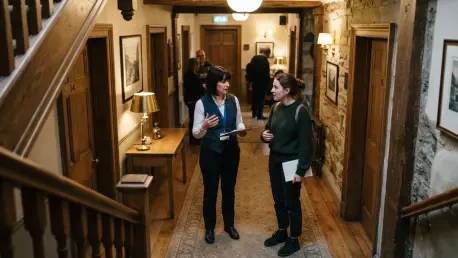
The immersion experience allows participants to explore a diverse range of business models, from large-scale luxury establishments to specialized boutique hospitality venues. During these site visits, students engage directly with leadership teams at properties like the Castle Green Hotel and Lake District Hotels, gaining a behind-the-scenes perspective on front-of-house operations and complex logistical management. These interactions are vital for helping students identify specific professional niches that align with their long-term career goals. By observing the daily challenges faced by management in high-pressure environments, students develop a more grounded understanding of the industry that cannot be replicated through textbooks alone. This exposure demystifies the operational aspects of the hotel sector, illustrating the coordination required to maintain service standards in world-class accommodations. Such practical insights are instrumental in preparing the next generation to handle the multifaceted responsibilities of modern hospitality leadership.
Beyond traditional lodging, the program incorporates the region’s rich cultural and literary heritage to provide a holistic view of the tourism ecosystem. Visits to iconic landmarks such as Wordsworth Grasmere and The World of Beatrix Potter Attraction allow students to examine the delicate balance between historical preservation and modern commercialization. At Wordsworth Grasmere, the educational component is formalized through assignments where students are tasked with developing strategic plans for the site. This pedagogical method requires them to analyze the operating context of a historic attraction, applying classroom theories to real-world preservation challenges. Under the mentorship of industry experts like Steph Byast, students learn to navigate the complexities of visitor experience and heritage marketing. This hands-on approach forces them to consider the socioeconomic impact of cultural tourism, ensuring they are well-equipped to manage heritage sites that require both academic sensitivity and business acumen to thrive in a competitive global market.
Strategic Marketing and Regional Development
A fundamental segment of the curriculum centers on the role of transportation and international outreach in driving regional tourism growth. Presentations from Windermere Lake Cruises provide students with deep insights into how large-scale operators navigate the shifting landscapes of domestic and international marketing. Executives like Jennifer Cormack highlight the necessity of adapting messaging to suit diverse demographics and cultural expectations, illustrating that modern tourism is a complex, data-driven enterprise. Students explore the technicalities of passenger logistics and the strategic planning required to maintain a seamless visitor experience across multiple touchpoints. This exposure underscores that a career in tourism involves much more than local service delivery; it requires a sophisticated understanding of global market trends and the ability to implement high-level strategic initiatives. By studying the operational model of a major transport provider, students begin to appreciate the scale and connectivity required to sustain a world-class destination, elevating their perception of the industry’s professional value.
The initiative acts as a strategic response to regional labor needs by effectively rebranding the Lake District as a viable, year-round career destination for ambitious professionals. A pivotal element of this long-term strategy is the inclusion of successful alumni who provide a tangible proof of concept for current students. For instance, former participants who have transitioned into permanent roles within regional hospitality groups now return as guest speakers to share their career trajectories. This cycle of success demonstrates a clear path from academic study to professional fulfillment within the North West, encouraging graduates to view the region as a primary location for their career development. By fostering these personal connections, the program builds a sense of community and loyalty among future leaders, which is essential for stabilizing the local workforce. This strategic focus on talent retention helps ensure that the investment made in education translates into a sustained competitive advantage for the regional visitor economy, creating a resilient professional network.
Professionalizing the Regional Hospitality Workforce
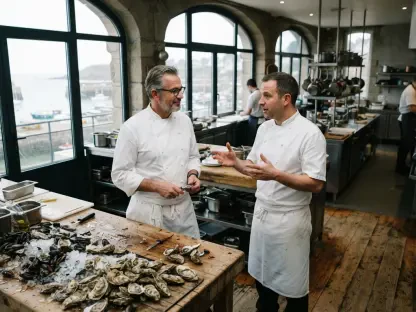
Cumbria’s collaborative model reflects a broader national movement toward professionalizing the hospitality sector through structured internal training and the creation of leadership academies. This trend is evidenced by regional initiatives like the Culinary Academy at English Lakes Hotels Resorts & Venues, which addresses specific skill gaps by offering paid, high-quality training. These programs align with national efforts by organizations like Springboard, which are currently working to deliver massive scale hospitality skills from 2026 to 2030. By defining hospitality as a high-value, skilled career path, regional stakeholders are changing the narrative surrounding the industry. Leadership academies, such as the one launched by Gulliver’s Theme Park Resorts, further emphasize the industry’s commitment to internal talent development. This shift toward formalized training and clear advancement pathways is crucial for attracting the next generation of managers who seek both professional growth and job security. This proactive approach ensures that the sector remains a top-tier choice for graduates entering the workforce.
The collaboration between Cumbria Tourism and Manchester Metropolitan University established a benchmark for regional workforce development that other sectors began to emulate. Stakeholders recognized that the traditional divide between academia and industry was no longer sustainable in a rapidly evolving economic environment. The initiative proved that direct engagement and immersive experiences were the most effective tools for securing a talented workforce. To build on this success, regional businesses were encouraged to formalize mentorship programs and integrate more project-based learning into their recruitment strategies. Educational institutions were advised to continue expanding their industry partnerships to ensure curricula remained relevant to current operational challenges. This proactive model transformed the local tourism landscape, fostering a culture of continuous learning and professional excellence. By prioritizing high-level engagement and clear career pathways, the region secured its position as a leading destination for both visitors and skilled professionals, ensuring long-term economic stability and industry growth for the future.