
The expansion of luxury tourism into the most remote corners of the globe has reached a major milestone with the establishment of high-end infrastructure in the Chilean sub-Antarctic. Silversea, a prominent name in the expedition cruise sector, has fundamentally altered the logistics of polar travel by launching “The Cormorant at 55 South,” a 150-room hotel located in Puerto Williams. This move represents a major shift toward vertical integration within the luxury travel market, ensuring that the brand maintains control over the entire guest journey before travelers even set foot on a ship. By positioning itself at the southernmost edge of South America, the company addresses the historical pain points of Antarctic expeditions, such as inconsistent hotel quality and fragmented transport schedules. This development is a calculated effort to insulate the luxury experience from the remote nature of regional travel while setting a new standard for high-value polar tourism.
Strategic Vertical Integration
Logistical Control
Traditionally, cruise operators have relied on a patchwork of external vendors for regional accommodation and transport, often leading to fragmented service levels and logistical hurdles. By internalizing these variables through the ownership of a dedicated facility in Puerto Williams, Silversea manages the entire transit process starting from charter flights departing Santiago. This control eliminates the uncertainties associated with scheduled commercial services and ensures that luggage handling and check-in processes are immediate upon arrival. The vertical integration strategy effectively removes the friction of travel, allowing guests to bypass the complexities of a multi-leg journey to the Antarctic Peninsula. Furthermore, by managing the pre-cruise environment, the operator can ensure that brand standards are reflected in every interaction. This level of oversight provides a competitive advantage, as it promises a degree of reliability that third-party providers struggle to maintain.
Operational Risks
Operating in a region where adverse weather frequently dictates travel schedules requires a high degree of flexibility and resilience. Owning local infrastructure provides Silversea with the ability to prioritize its own guests during weather-related delays, a luxury not available when negotiating room blocks with independent hotels. When storms or fog disrupt flights or sailing windows, the company can adjust availability and accommodations without the delays of external coordination. This operational resilience is crucial for maintaining the guest experience in a high-stakes environment where a single delay can cascade through an entire itinerary. Moreover, the proximity of the hotel to the pier streamlines the embarkation process, reducing the time spent in transit and maximizing the time spent on the expedition itself. By creating a self-contained ecosystem, the company fosters greater confidence among passengers, guaranteeing that the high expectations associated with the brand are met even when conditions change.
Enhanced Experience
Narrative Flow
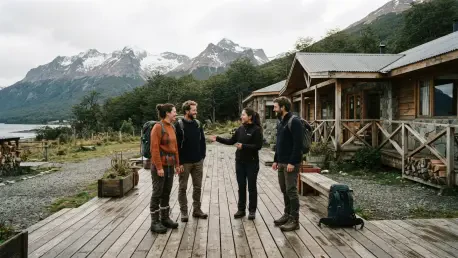
The transition from a hotel stay to a deep-sea expedition often feels like two distinct trips, but this new infrastructure seeks to blend these phases into a single cohesive story. Rather than treating the night before a voyage as a mere layover, the property offers immersive pre-cruise activities that introduce travelers to the rugged beauty of Isla Navarino. Guests can participate in guided horseback riding through sub-Antarctic forests, kayaking along the Beagle Channel, and birdwatching excursions. These activities serve as a thematic bridge, preparing travelers for the wilderness of Antarctica while maintaining the comfort of a luxury setting. Inside the facility, amenities such as wine tastings celebrate local Chilean culture, adding an educational layer to the experience. This holistic approach ensures that the travel narrative begins the moment the guest arrives in South America, transforming what was once a logistical necessity into a curated extension of the polar voyage.
Long-Term Growth
Looking toward the future, the integration of dedicated land-based assets signals a broader evolution in how high-end operators approach regional development. While the property was designed for cruise passengers, the decision to open its doors to independent travelers starting in October 2027 reflects a strategic move to establish a permanent presence in the Patagonian tourism sector. This shift indicates that the company views its role not just as a cruise provider, but as a primary stakeholder in the regional economy. Industry analysts note that this model of vertical integration solves infrastructure gaps while creating a sustainable framework for growth in sensitive environments. The project underscores the importance of localized investment as a tool for ensuring quality control in the face of increasing global demand. Successful implementation of this ecosystem provides a blueprint for other luxury brands. By focusing on integrated logistics, this strategy redefines the boundaries of expedition travel.