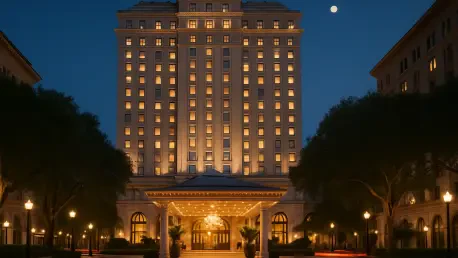

Fairmont New Orleans commemorates the brand’s 100th global property by revitalizing a Skidmore, Owings & Merrill landmark from the 1970s oil boom era. The grand opening of this property signals a definitive return for Fairmont after a twenty-year absence from the Crescent City, marking a significant milestone that resonates far beyond the local hospitality market. Developed by Kailas Companies and managed by Accor, the hotel breathes new life into a thirty-one-story skyscraper that once served as the Bank of New Orleans. This revitalization is not merely a cosmetic update but a profound architectural statement that bridges the gap between the city’s mid-century economic zenith and its current standing as a global tourism powerhouse. By choosing a landmark from 1970 rather than a traditional colonial-era structure, the developers have successfully shifted the narrative of luxury in the city toward a more nuanced appreciation of modern heritage. The hotel serves as a sophisticated fusion of historical preservation and contemporary opulence, carefully curated to act as a cultural and social epicenter for international travelers and local residents alike.
A Preservation Project: Honoring the Mid-Century Skyline
The choice to transform the former Bank of New Orleans building into a premier luxury destination represents a bold departure from the traditional French Quarter aesthetics that often dominate the city’s high-end lodging sector. Originally designed by the world-renowned firm Skidmore, Owings & Merrill, the tower stands as a testament to the architectural optimism of the early 1970s. The restoration process was an exercise in meticulous detail, ensuring that the structural integrity and aesthetic hallmarks of the original design were not lost to modern homogenization. For instance, the original sidewalk identity and the dramatic entry canopy were preserved to maintain the building’s historic street-level presence. Within the lower levels, the refurbishment of the original concrete walls and lobby floors serves as a grounding element, reminding guests of the building’s storied past as a financial hub during the region’s oil-driven expansion. This commitment to honoring an often-overlooked chapter of the city’s architectural evolution validates the significance of mid-century modernism within a city otherwise famous for its 18th-century European influences.
Moving deeper into the structure, the second floor emerges as a centerpiece of the restoration effort, featuring decorative bronze paneling and a ceiling crafted from local cypress wood that has been returned to its original luster. These materials provide a warmth and gravity that contrast sharply with the glass and steel of contemporary skyscraper construction. By repurposing the former bank’s main lobby into grand event spaces, the project manages to turn a once-private corporate environment into a public lantern that glows with activity, signaling the building’s transformation to the street below. This strategy not only preserves a physical structure but also recaptures the energy of the Central Business District, positioning it as a rival to the historic districts for cultural relevance. The result is a property that feels deeply rooted in its specific location, offering a sense of place that is both authentic to its 1970s origins and adapted for the sophisticated demands of today’s luxury traveler. This delicate balance of old and new ensures that the Fairmont remains a relevant and vital part of the New Orleans skyline for decades to come.
A Verdant Narrative: Interior Design and Local Artistry
The interior design, orchestrated by the visionary Rockwell Group, explores the vibrant contrasts of the city through a conceptual lens of a “verdant landscape” emerging through global influences. The design narrative successfully balances a polished, high-end aesthetic with playful references to the mid-century glamour of the 1970s. Upon entering the lobby, which functions as a “cultural living room,” guests are greeted by a monumental mirror-clad staircase that serves as a focal point for the space. This architectural feature reflects a three-story chandelier inspired by the ethereal beauty of Spanish moss and magnolia flowers, bringing the lush, organic outdoor landscape of Louisiana into the heart of the Central Business District. The use of layered textures, saturated colors, and oversized potted plants creates an environment that feels both sophisticated and inviting, a far cry from the sterile minimalism found in many modern luxury hotels. This approach transforms the lobby from a mere transit point into a social destination where the city’s natural beauty is celebrated through a lens of artistic luxury.
To further ground the property in its environment, the design team prioritized collaborations with local artists and manufacturers, ensuring that every corner of the hotel tells a story of New Orleans craftsmanship. Hand-embellished wallcoverings by local artist Bruna Petalla adorn the dining venues, providing a bespoke quality that generic luxury brands cannot replicate. The inclusion of materials from the New Orleans-based, woman-owned Triton Stone, such as custom six-marble floor mosaics and striking Italian lava-stone tiles, adds a layer of geological and cultural texture to the interiors. Even the lighting design pays homage to local traditions; the rooftop pool deck is illuminated by traditional gas lanterns from Bevolo, a historic manufacturer synonymous with the city’s visual identity. These local touches are not merely decorative but are integrated into the very fabric of the hotel, creating a seamless connection between the global Fairmont brand and the unique soul of New Orleans. This synthesis of international design standards and local creative talent results in a space that feels uniquely tailored to its geography.
Personalized Sanctuaries: Redefining Residential Hospitality
The 250 guest rooms and suites at the Fairmont New Orleans are designed to function as personal retreats, emphasizing a sense of residential warmth that deviates from standard hotel layouts. Each room features curated furnishings and eclectic finishes that suggest a collection gathered over time, rather than a mass-produced interior. A clever architectural nod to the city’s famous porches is found in select king rooms, which include internal “faux balconies” equipped with café tables, allowing guests to experience a version of New Orleans street life from the comfort of their climate-controlled suites. High-end amenities, including Le Labo Rose 31 bath products, Nespresso machines, and locally sourced minibar items, ensure that every guest experience is defined by both comfort and a sense of discovery. The rooms serve as a calm counterpoint to the vibrant energy of the lobby and the city outside, utilizing a palette of soft tones and rich materials to create an environment conducive to relaxation and rejuvenation in the middle of a bustling urban center.
For travelers seeking a higher level of exclusivity, the Fairmont Gold experience on the 29th and 30th floors provides a “hotel-within-a-hotel” concept that caters to the most discerning guests. This elite tier offers access to a private lounge with panoramic views of the Mississippi River, where dedicated concierge services and curated food and beverage presentations are available throughout the day. The Fairmont Gold rooms are further enhanced by unique artistic elements, such as large paneled artworks depicting the flora of Louisiana’s bayous and three-dimensional entry mosaics that reference classic European flooring. This combination of elevated service and refined design creates a sanctuary of calm within the skyscraper, offering a level of privacy and personalization that is rare in larger hotel properties. By integrating these high-touch services with a design philosophy that prioritizes the guest’s personal comfort, the Fairmont New Orleans has set a new benchmark for what a residential-style luxury stay should feel like in a modern American city.
Epicurean Excellence: The Emeril Lagasse Collaboration
A central pillar of the hotel’s identity is its ambitious culinary program, anchored by a high-profile partnership with legendary Chef Emeril Lagasse and The Emeril Group. This collaboration has brought the Delmonico Steakhouse to the Central Business District, marking the first time this iconic concept has expanded beyond the borders of Las Vegas. The restaurant is a masterful blend of grand American steakhouse traditions and Lagasse’s signature New Orleans flavors, focusing on dry-aged prime cuts, Japanese Wagyu, and an extensive oyster program. The dining room itself is a masterpiece of 1970s executive aesthetic, utilizing rich walnut wood, amber tones, and green marble to create a theatrical environment. Guests can witness tableside preparations of classic dishes like Chateaubriand and flambéed Bananas Foster, adding a sense of performance to the dining experience. This venue does not just serve food; it recreates an era of mid-century sophistication, making it a primary destination for both business power lunches and celebratory evening dinners.
In contrast to the formal atmosphere of the steakhouse, The Café by Emeril offers a more relaxed, brasserie-style environment that flows seamlessly into the hotel’s main lobby. Open for breakfast and lunch, the café serves French-inspired classics with distinct Creole and Southern accents, including the quintessential chicory-laced coffee that is synonymous with the city. The design of the café encourages social interaction, serving as a vibrant hub where guests and locals can mingle in a space that feels like a natural extension of the street. This dual-pronged culinary strategy ensures that the hotel provides a complete range of dining experiences, from the casual and community-focused to the formal and theatrical. By partnering with a local culinary icon like Lagasse, the Fairmont has solidified its position as a major player in the city’s world-famous food scene, drawing in a demographic that values both tradition and innovation in their dining choices. This strategic alignment with local talent ensures that the hotel’s food and beverage offerings feel authentic and prestigious.
Beyond the Suite: Holistic Wellness and Cultural Connectivity
The Fairmont New Orleans positions itself as a comprehensive venue for wellness and social celebration, offering facilities that cater to the physical and social needs of its guests. A massive 10,000-square-foot spa and fitness center provides a range of private treatment rooms, a couples’ suite, and a dry sauna that offers sweeping views of the city skyline. A unique feature of the wellness center is the “Dressing Room,” a social space specifically designed for bridal parties and debutantes to prepare for events in a luxurious, shared environment. The fitness program also integrates the “Wellness Without Walls” initiative, which encourages guests to move beyond the gym and engage with the city through self-guided art walks, kayaking on the nearby waterways, and “Run The River” experiences. This approach recognizes that modern luxury travelers view wellness as an integrated part of their travel experience, seeking activities that connect them to their surroundings rather than isolating them within a hotel room.
The hotel’s commitment to community integration is further evidenced by its 19,000 square feet of meeting and event space, highlighted by the two grand ballrooms on the second floor. These venues occupy what was once the main lobby of the bank, preserving the original cypress wood ceilings and bronze panels to create a space that feels both historic and grand. By transforming these corporate ruins into vibrant gathering places, the hotel acts as a bridge between the city’s past and its future. Whether hosting a high-stakes business conference or a local milestone celebration, these spaces provide a sense of gravitas that is often missing from modern event venues. The strategic design of these areas ensures that they are visible from the street, reinforcing the hotel’s role as a public-facing institution that contributes to the social fabric of the Central Business District. This focus on wellness and social connectivity ensures that the Fairmont is more than just a place to sleep; it is a vital part of the city’s ongoing cultural dialogue.
A Synthesis of Perspective: The Future of the Crescent City Hub
The stakeholders involved in this monumental project established a new blueprint for urban luxury by prioritizing cultural resonance over generic opulence. When the city’s tourism board recognized the need for a flagship property that could anchor the Central Business District, the Fairmont team responded with a design that was both nostalgic and forward-thinking. Developers prioritized the preservation of the 1970s skyscraper’s soul, which proved to be a decisive factor in the hotel’s rapid acceptance by the local community. The decision to integrate high-end fitness programs like “Wellness Without Walls” signaled a shift in how luxury brands interacted with their host cities, moving away from isolation and toward active participation in the local environment. This project demonstrated that a global brand could return to a market with a refreshed identity that honored its history while aggressively pursuing modern sustainability and wellness goals.
The hospitality sector in the region observed the successful integration of the Emeril Lagasse partnership as a case study in brand alignment, proving that local expertise could elevate global standards. As the Fairmont Gold experience matured, it provided a necessary solution for the influx of executive travelers who demanded a private, residence-style environment within a full-service hotel. The revitalization of the former Bank of New Orleans building functioned as a catalyst for further investment in the mid-century structures of the CBD, proving that these landmarks were assets rather than obstacles to modern development. Ultimately, the Fairmont New Orleans served as more than just the brand’s 100th property; it became a symbol of the city’s enduring capacity for reinvention. The project left a lasting impact on the skyline, ensuring that the legacy of the 1970s oil boom was not forgotten but instead repurposed to support the city’s next century of growth.