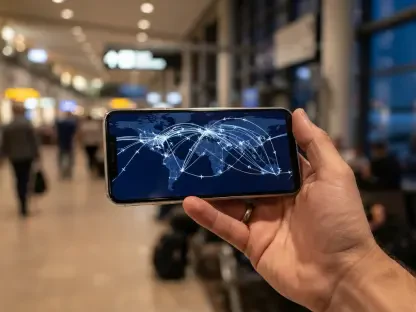

TravelerslookingforpineappleonpizzainItalymaynowencounteranAIassistantprogrammedtoprovidediplomaticresponsesthatpreventpotentialsocialembarrassment. This level of technical sophistication highlights a radical shift in the global tourism industry as artificial intelligence moves from backend booking engines to the front lines of traveler interaction. In the current landscape of 2026, tourism boards and city governments are increasingly deploying 24/7 digital concierges to streamline the vacation planning process for millions of visitors. These tools offer instant, real-time advice on everything from public transit routes and ticketing systems to historical landmarks and local dining etiquette. While the promise of unparalleled efficiency is enticing, a consensus has emerged among travel experts that while AI is an excellent tool for data gathering, its tendency for factual errors and “hallucinations” makes human oversight an essential component of any successful trip. This technology serves as a valuable bridge for information, yet it still requires a discerning and skeptical user.
Bridging the Gap: Branded Personalities in Digital Tourism
The current state of digital tourism has moved far beyond sterile, robotic interfaces and toward the use of culturally branded personas that embody specific local values. This strategic effort aims to make the technology feel more approachable and “human” by leveraging familiar aesthetics and language patterns that resonate with international visitors. For example, Thailand has introduced TATAI, a futuristic character designed to reflect the “Land of Smiles” image through unyielding enthusiasm and a tireless work ethic. Similarly, Queensland’s Bunji uses local colloquialisms like “G’day mate” to foster an immediate sense of connection with users exploring the Australian coast. These digital characters are not merely decorative; they serve as a psychological bridge between a cold, vast database and the warmth of a local guide, attempting to humanize the user experience through cultural representation. This shift reflects a broader industry trend where the objective is to reduce the friction of technology by masking its algorithmic nature.
Digital Icons: Regional Identity in Hospitality Technology
Beyond simple friendliness, these digital personas are engineered to mitigate the intimidation often associated with navigating a foreign country’s complex administrative systems. In 2026, the use of characters like Bunji, a koala in a patterned shirt, or the high-tech TATAI, provides a visual and linguistic comfort zone for travelers who might otherwise feel overwhelmed by new environments. These assistants are programmed to speak dozens of languages, yet they maintain a strong regional identity, ensuring that the interaction feels rooted in the destination itself. However, this approach can sometimes reinforce stereotypes, as the AI is often limited to an idealized version of the culture it represents. While these characters excel at creating a welcoming atmosphere, they operate within a controlled set of parameters that prioritize a positive brand image over nuanced cultural exchange. Consequently, the user is presented with a curated version of local life that, while helpful for basic navigation, may lack the authentic depth of a real-world interaction.
Cultural Models: Fictional Biographies and Personalization
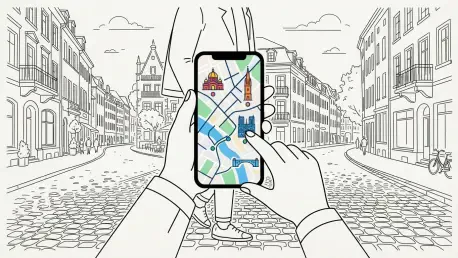
In cities like Zurich, the concept of the digital concierge has evolved into providing multiple personas with distinct, fictional backgrounds to cater to diverse travel styles. Travelers can select from assistants like Celine, who offers a pragmatic and no-nonsense approach, or Sophie, a student persona focused on off-the-beaten-path locations and budget-friendly options. This level of choice allows for a personalized experience that mimics the variety of human guides found in a traditional agency. However, the reliance on fictional biographies occasionally leads to logical inconsistencies that can break a user’s immersion or lead to confusion regarding the source of the advice. These scripted personalities are sophisticated, but they ultimately rely on pre-determined paths that can struggle with the unpredictable nature of spontaneous travel. While they successfully provide a more tailored feel than a generic search engine, they remain a reflection of the data they were trained on rather than true, lived experience from a local.
Functional Utility: Logistics and Modern Limitations
From a purely functional standpoint, AI assistants are currently handling the heavy logistical lifting of international travel, particularly in the realm of real-time support. A prime example is Rome’s digital assistant, Julia, which integrates into popular messaging apps like WhatsApp to provide instant updates on museum hours and public transport schedules. Julia’s ability to communicate in 80 different languages effectively removes one of the most significant barriers for global travelers, making city navigation accessible to an unprecedented degree. By managing complex ticketing systems for high-traffic sites like the Trevi Fountain, these AI tools reduce the administrative burden on tourists, allowing them to focus more on the experience and less on the logistics. This high-functioning utility is where AI currently shines, providing a level of 24/7 responsiveness that a human concierge, bound by shifts and physical presence, simply cannot match in this modern, fast-paced digital environment.
Global Access: Language Barriers and Real-Time Support
The integration of AI into common messaging platforms represents a significant shift in how travelers consume information during their journeys. Rather than navigating clunky standalone apps, visitors can now interact with city guides through the same interfaces they use to speak with friends and family. This familiarity reduces the learning curve and encourages more frequent use of the digital concierge for minor queries that might otherwise go unasked. Furthermore, the multilingual capabilities of these systems ensure that travelers from diverse backgrounds can access the same high-quality information without relying on external translation tools. However, the reliance on these platforms also raises questions about data privacy and the security of personal travel itineraries. As these tools become more central to the travel experience, ensuring that they provide accurate, secure, and unbiased information remains a priority for developers. The convenience of 24/7 access must be balanced with robust data protection for the traveler.
Social Buffers: Navigating Local Customs and Culinary Norms
In addition to logistics, AI concierges are increasingly serving as buffers for cultural friction, offering travelers a safe space to inquire about local etiquette without fear of judgment. These systems are programmed with extreme diplomacy to handle sensitive or potentially controversial requests, such as the aforementioned culinary preferences in Italy or social taboos in Southeast Asia. By providing non-judgmental and tactful responses, the AI helps visitors navigate unfamiliar social terrains while avoiding the potential for public embarrassment or unintended disrespect. This digital buffer is particularly useful for travelers who are hesitant to ask human guides about “culinary sins” or minor breaches of protocol. However, while the AI can offer a textbook explanation of social norms, it lacks the ability to sense the subtle atmosphere or emotional context of a real-world situation. It can tell a traveler what to do, but it cannot always explain the underlying cultural heartbeat that makes rules significant.
Ethical Shifts: Sustainability and Verification Strategies
The travel industry’s transition into a more transparent, AI-supported era was marked by the emergence of ethical assistants like Indonesia’s MaiA. Throughout 2026, MaiA demonstrated how technology could be used to steer visitors away from overcrowded sites and toward sustainable alternatives. This shift required travelers to adopt a proactive verification strategy, ensuring that AI-generated suggestions aligned with real-world conditions. Travelers found that the most successful journeys were those that utilized AI for brainstorming while maintaining human oversight for critical logistics. Moving forward, the industry prioritized the integration of verified data streams to minimize errors. Travelers who combined digital efficiency with personal skepticism ultimately avoided the pitfalls of geographic hallucinations. This balanced approach ensured that vacations remained grounded in reality, providing a blueprint for the future of responsible global exploration that leveraged both silicon and human intuition.