
The shifting climate of the European Alps has forced a significant transformation in how high-end hospitality operators balance the expectations of affluent travelers with the urgent necessity of ecological preservation. Hotel Lürzerhof serves as a primary example of this evolution, moving beyond the superficial greenwashing of the past decade to implement a deeply integrated model of resource management. While many luxury resorts still struggle to reconcile heavy energy consumption with environmental stewardship, this establishment has prioritized a systemic overhaul that treats the surrounding landscape as a partner rather than a mere backdrop. By embedding sustainability into the very core of its structural and operational identity, the hotel addresses the growing demand for authentic, low-impact travel experiences. This transition reflects a broader industrial movement toward regenerative tourism, where the goal is not merely to minimize damage but to actively contribute to the vitality of the local mountain community.
Structural Foundations: The Intersection of Tradition and Technology
Moving into the physical structure of the property, the use of Cross-Laminated Timber sourced from regional forests represents a departure from carbon-intensive concrete and steel frameworks. This choice of material serves a dual purpose by sequestering carbon while providing natural insulation properties that significantly reduce the demand for artificial climate control. Using local Alpine stone and reclaimed wood further connects the building to its geographical roots, ensuring that the aesthetic remains consistent with traditional mountain architecture. This deliberate selection of materials mitigates the environmental cost of transportation and supports the regional economy by utilizing specialized craftsmen. The interior design avoids synthetic polymers, favoring organic wools and linens that enhance the indoor air quality for guests. Such attention to detail ensures that the tactile experience of luxury is intrinsically linked to the health of the environment, proving that high-end finishes do not require a heavy ecological footprint.
Advanced engineering within the facility supports an intricate network of heat recovery systems designed to capture and reuse energy from the hotel’s extensive spa and kitchen operations. Geothermal heat pumps tap into the consistent temperatures of the earth, providing a renewable source of warmth that remains efficient even during the harshest winters. To augment this, smart-grid technology manages electricity distribution across the property, adjusting power consumption in real-time based on occupancy and ambient light levels. Solar thermal panels integrated into the roof structure provide a substantial portion of the hot water required for the thermal pools, further decreasing the reliance on external power sources. By synchronizing these technological layers, the hotel maintains a climate-neutral profile without compromising the comfort levels expected by its international clientele. This technical infrastructure operates silently in the background, demonstrating that sophisticated engineering can replace traditional energy sources while enhancing the overall guest experience.
Strategic Evolution: Shaping the Future of Alpine Tourism
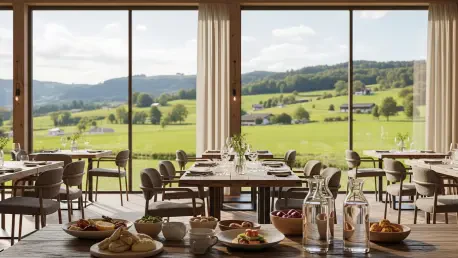
Culinary operations at the resort have undergone a radical shift toward a closed-loop system that prioritizes seasonal produce and heritage livestock from the surrounding valley. By establishing direct partnerships with family-run farms, the kitchen ensures that the majority of ingredients travel fewer than thirty miles from the source to the plate. This approach drastically lowers the emissions associated with logistics while ensuring that guests receive the highest nutritional value from freshly harvested goods. The menu is meticulously planned around the natural harvest cycles of the Salzburg region, encouraging a deeper appreciation for the local terroir and its unique flavors. Traditional preservation methods, such as fermentation and cold storage, allow the kitchen to maintain a diverse selection of ingredients throughout the winter months without relying on global imports. This commitment to regional sourcing strengthens the local agricultural network and preserves traditional farming practices that might otherwise disappear under the pressure of mass-market competition.
The successful implementation of these sustainable initiatives established a new benchmark for the luxury hospitality sector throughout the Austrian Alps. Designers and operators observed how the seamless blend of regional craftsmanship and modern energy management created a superior value proposition for the modern traveler. Moving forward, the industry moved toward standardized carbon accounting and transparency in supply chain management to maintain trust with an increasingly discerning public. Stakeholders recognized that the future of mountain tourism required a shift toward restorative practices that actively repaired environmental damage rather than just limiting it. Encouraging investment in decentralized energy grids and supporting local agricultural cooperatives became essential strategies for long-term resilience. By prioritizing the health of the local ecosystem, the hospitality industry ensured that the very assets attracting visitors were preserved. This provided a clear roadmap for others, proving that the most enduring luxury was one that respected its natural foundations.