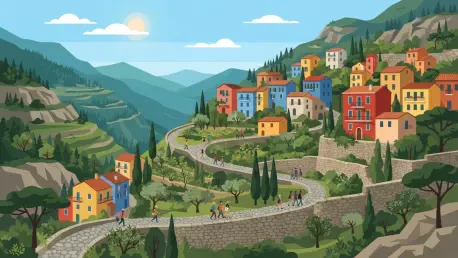

Success in rural tourism depends heavily on ‘re-grounding’ development, ensuring that new initiatives stem from and directly benefit the residents of the local community. The Crocus Project, a strategic European Union initiative funded by the Horizon Programme, has become a cornerstone of this philosophy by addressing the persistent economic stagnation in rural and remote areas. While the global shift toward domestic travel provided a temporary boost in previous years, the current focus from 2026 to 2028 has shifted toward creating long-term structural resilience rather than relying on seasonal fluctuations. These regions often face significant hurdles, including aging populations, limited digital infrastructure, and a lack of specialized hospitality training. By promoting Cultural and Creative Tourism (CCT) as a viable economic alternative, the project aims to transform peripheral zones into vibrant hubs of activity. This involves identifying the unique cultural DNA of each village and valley to create a sustainable model that preserves local identity while attracting a global audience seeking meaningful interactions. As these regions navigate the complexities of modern globalization, the emphasis on local agency ensures that the resulting growth remains equitable and culturally sensitive for everyone involved.
Transforming Heritage: Immersive Rural Experiences
Intangible Assets: Redefining the Traveler’s Journey
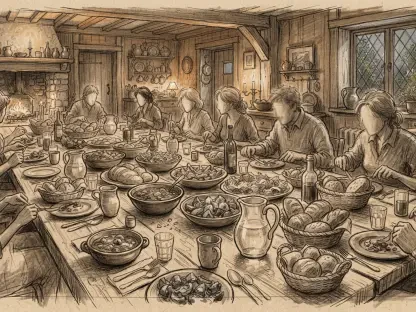
Modern cultural tourism has evolved far beyond the traditional model of visiting static historical sites or viewing architecture from a distance. The current paradigm emphasizes deep engagement with the “intangible” soul of a region, where travelers prioritize local stories, living traditions, and contemporary creative practices over passive sightseeing. This shift represents a fundamental change in how rural destinations package their offerings, moving toward an experience-based model that invites visitors to become part of the local narrative. Instead of merely looking at a centuries-old farmhouse, a visitor might participate in a workshop led by a local artisan or engage in a storytelling session that explains the ancestral heritage of the landscape. This approach transforms abstract history into a tangible personal connection, creating a unique value proposition that urban centers often struggle to replicate. By focusing on these living elements, rural areas can distinguish themselves in a crowded global market, offering authenticity that feels both rare and deeply resonant.
The implementation of these experience-based models requires a sophisticated business strategy that balances commercial viability with the preservation of a region’s unique atmosphere. Successful projects have shown that when cultural assets are curated into interactive packages, they provide a more significant economic return than traditional tourism. This economic logic stems from the fact that “creative” travelers tend to stay longer in one location and spend more on local services, such as specialized gastronomy or guided educational tours. To support this, many rural communities are developing digital platforms that allow visitors to discover these hidden gems before they even arrive, bridging the gap between remote geography and global visibility. Furthermore, these business models are designed to be low-impact, utilizing existing buildings and resources rather than requiring massive new construction. This ensures that the influx of visitors does not destroy the very charm they came to find, maintaining a delicate balance between modernization and the preservation of the rural aesthetic that defines the European countryside.
Community Agency: Balancing Preservation and Innovation
One of the most pressing challenges for rural Europe is the ongoing “brain drain” and the resulting aging population, which places local heritage at significant risk of being forgotten. When young people move to urban centers for work, the chain of oral tradition and local craftsmanship is often broken, leaving behind a vacuum that external developers might exploit. To counter this, the Crocus Project emphasizes the need for community-led innovation, where the residents themselves are the primary architects of their tourism strategy. This “re-grounding” process ensures that growth is not an external imposition but a natural extension of the community’s own identity and needs. By empowering locals to take ownership of their heritage, regions can create a sense of pride and economic opportunity that encourages younger generations to stay or even return. This bottom-up approach creates a more resilient social fabric, where tourism serves as a tool for community development rather than just a source of revenue for outside investors.
Merging traditional folkways with modern creative practices is a key strategy for ensuring that rural heritage remains relevant to a contemporary audience. This does not mean sanitizing culture for tourists, but rather finding innovative ways to present ancient recipes, crafts, and rituals in a way that resonates with 21st-century values. For example, a village known for its traditional weaving might collaborate with modern designers to create products that appeal to international markets, or a local festival might be updated with digital art installations that tell traditional stories in a new medium. This synthesis of old and new prevents rural areas from becoming stagnant “museum villages” and instead positions them as living creative hubs. By treating heritage as a dynamic asset rather than a fixed artifact, these communities can adapt to changing tastes without losing their historical grounding. This balance of preservation and innovation is essential for long-term sustainability, ensuring that the local culture continues to thrive and evolve alongside the visitors who come to admire it.
Economic Resurgence: Leveraging Local Drivers
The New Rurality: Lifestyle Entrepreneurs and Creative Hubs
The demographic landscape of the European countryside is undergoing a significant transformation, often referred to as the “new rurality.” This shift is characterized by the arrival of digital nomads, retirees, and “lifestyle entrepreneurs” who are moving away from congested cities in search of a better quality of life and lower operating costs. These newcomers bring a wealth of diverse perspectives and creative skills that, when integrated with local traditions, lead to the formation of vibrant creative hubs in formerly quiet villages. These individuals often act as bridges between the rural community and the wider world, using their professional networks to promote local products and services. The presence of these “new locals” helps to diversify the local economy, moving it away from a singular reliance on agriculture and toward a more complex, service-oriented ecosystem. This influx of talent and capital is a vital component of rural revitalization, providing the fresh energy and innovation necessary to sustain small-scale creative enterprises.
Sustainable growth in these regions is also being driven by innovative accommodation concepts like the “albergo diffuso,” or scattered hotel, which has gained significant traction across the continent. This model integrates guest rooms into existing, often renovated, village houses rather than concentrating them in a single large building. This approach allows for a gradual increase in tourist capacity without disrupting the local architectural character or requiring massive infrastructure investments. It also ensures that the economic benefits of tourism are distributed more evenly among local property owners and service providers. Visitors staying in a scattered hotel are more likely to interact with their neighbors, shop at local markets, and dine in village restaurants, leading to a more immersive and authentic experience. By utilizing the existing built environment in this way, rural communities can accommodate modern travelers while preserving the aesthetic and social integrity that makes them unique. This model exemplifies how creative thinking can turn structural limitations into competitive advantages for remote areas.
Collaborative Growth: Cross-Border Strategies and Success
Navigating the complexities of cross-border tourism is a central pillar of the effort to revitalize rural economies, as many of Europe’s most picturesque regions are split by national boundaries. These borders often act as administrative and economic barriers, where differing laws, currencies, and budgets can stifle collaborative growth and create a fragmented experience for travelers. To overcome these hurdles, the Crocus Project utilized “Living Labs” to demonstrate how shared governance models can create a unified identity for cross-border regions. Areas like the De Groote Heide, which spans the Dutch-Belgian border, have shown that institutional frameworks like the Benelux Grouping for Regional Collaboration are essential for success. These frameworks provide a mechanism for shared budgets and regular coordination, allowing for the development of joint marketing campaigns and synchronized infrastructure projects. By treating a cross-border region as a single thematic destination, local authorities can pool their resources and reach a much larger audience than they could individually, turning a potential obstacle into a unique selling point.
The success of these collaborative efforts is most evident in projects that focus on thematic storytelling and a “bottom-up” management philosophy. When local actors who live and work near a border take the lead, they are far more likely to find creative ways to bridge linguistic and cultural divides than national governments operating from distant capitals. These local leaders have a personal stake in the region’s prosperity and possess an intimate knowledge of the shared history that transcends political lines. For instance, the development of the “Bels Lijntje” railway route between the Netherlands and Belgium used narratives of industrialization and smuggling to create a cohesive identity that resonates with the local landscape. By focusing on shared human experiences rather than bureaucratic hurdles, these projects foster a sense of regional unity that benefits both residents and visitors. This localized approach ensures that tourism development is grounded in reality, making it more effective at creating jobs and preserving the cultural fabric of these unique peripheral zones.
The Strategic Path: Future Directions for Rural Vitality
The Crocus Project concluded that the long-term survival of rural Europe required a fundamental shift toward an experience-based, community-driven economic model. By the end of the research phase, it was clear that the most successful regions were those that moved away from high-volume, low-impact tourism and instead focused on deep cultural engagement. The project established that the integration of “placemaking” and “place-shaping” principles was vital for making intangible heritage visible and marketable to a global audience. This involved a strategic process of re-positioning cultural assets to ensure they remained relevant to modern travelers while encouraging local populations to re-appreciate their own unique history. The actionable toolkit developed through this initiative provided a roadmap for navigating the bottlenecks of limited funding and specialized skills, offering tailored policy scenarios for various European macro-regions. These strategies empowered local leaders to take control of their economic destinies, ensuring that the preservation of heritage became a source of growth rather than a financial burden.
Moving forward, the primary recommendation for regional authorities involved the continued investment in small-scale infrastructure and digital accessibility to support creative entrepreneurs. The data gathered during the project suggested that even modest improvements in connectivity and training led to significant gains in local employment and social cohesion. By fostering an environment where “new locals” and traditional residents could collaborate, rural areas successfully transformed themselves from stagnant zones into dynamic centers of cultural exchange. The project also highlighted the necessity of maintaining bottom-up governance structures to ensure that tourism remained a tool for community empowerment. The final reports emphasized that the future of rural resilience lay in the ability of these regions to offer something that cities could not: a sense of belonging, a connection to the land, and a living history that felt both authentic and inclusive. These findings served as a powerful reminder that with the right strategic framework, the most remote corners of the continent could become some of its most vibrant and sustainable economic hubs.