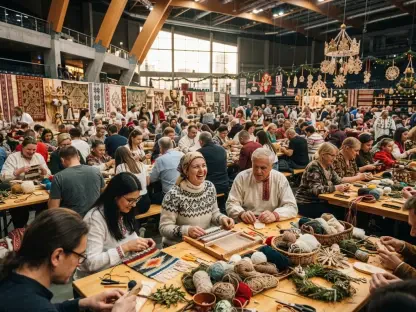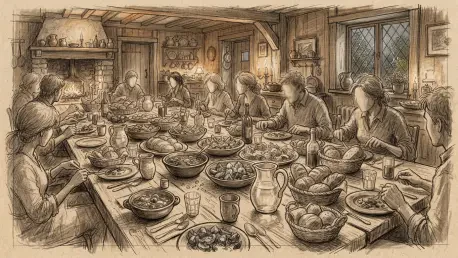

Relying on a network of volunteers to provide meals for massive gatherings like Easter celebrations often creates an overwhelming logistical burden that risks the success of the event. While the tradition of the church potluck has long been a cornerstone of communal life, fostering deep bonds through shared effort and homemade recipes, modern ministry environments require a more nuanced approach to hospitality. As congregations expand and the complexity of religious programming increases, church administrators often find that the grassroots model reaches a breaking point where the labor involved outweighs the benefits of the shared contribution. The decision to transition from a volunteer-led meal to a professional catering service is not merely a matter of convenience; it represents a strategic choice to prioritize the quality of the communal experience. By examining the current needs of the congregation, leaders can determine whether the personal touch of a potluck or the precision of professional services better serves their specific mission.
The Logistics of Growth: Assessing Scale and Timing
When a religious gathering scales from a small group to a congregation numbering in the hundreds or thousands, the logistical framework of a potluck begins to erode. Managing food for a massive holiday service requires rigorous coordination that often exceeds the capacity of even the most dedicated volunteer teams. Ensuring that enough food arrives on time and is maintained at safe serving temperatures becomes a high-stakes challenge when dozens of different contributors are involved. Professional catering provides a scalable solution by offering a centralized point of contact and a predictable quantity of food prepared in controlled environments. This shift allows the church staff to focus on the spiritual significance of the event rather than the minutiae of dish distribution and oven space. By outsourcing the production of large-scale meals, organizations eliminate the risk of food shortages and ensure that the hospitality remains seamless regardless of the crowd size.
Timing is another critical factor that frequently necessitates a move toward professional food services within the church environment. Sunday morning schedules are notoriously rigid, often featuring back-to-back services with very narrow windows for volunteer appreciation breakfasts or communal lunches. Coordinating a potluck to align with these precise timelines requires volunteers to sacrifice their early morning hours for cooking and transportation, which can lead to burnout among the most active members. Professional caterers are specifically equipped to manage these time-sensitive demands, delivering hot and ready meals exactly when the program requires them. This reliability ensures that the transition between worship services and social gatherings remains fluid and efficient. By utilizing structured delivery systems, church leadership can respect the time of their congregants while maintaining the momentum of the events, ensuring that the meal serves as a bridge between activities rather than a source of scheduling delays.
Redefining Fellowship: Elevating the Guest Experience
The shift from a volunteer-led model to professional catering often signifies a deeper change in how a church approaches its hospitality ministry. For intimate fellowship groups, the act of contributing a dish provides a sense of ownership and belonging that is vital to the community. However, when the event is designed for outreach, such as a new-member luncheon or a community-wide festival, the focus should ideally shift from the contribution of the guest to the hospitality of the host. Providing a professionally catered meal allows visitors and new members to feel truly cared for and hosted, removing the unspoken pressure to participate in the labor of the event. This approach creates an environment where the guest’s only responsibility is to engage in connection and fellowship. By removing the transactional nature of the potluck, the organization demonstrates a commitment to excellence that can leave a lasting positive impression on those who are visiting for the first time.
Utilizing a professional catering service further enhances the guest experience by ensuring a consistent level of quality that is difficult to achieve through varied home contributions. When church leaders are freed from the necessity of managing a chaotic buffet line or troubleshooting missing serving utensils, they are better positioned to facilitate meaningful interactions among attendees. The presence of a professional vendor brings a level of aesthetic and culinary cohesion that elevates the atmosphere of the event, making it feel more intentional and celebratory. This refinement is particularly effective during volunteer appreciation dinners, where the goal is to honor the hard work of the ministry teams. By treating these dedicated individuals to a high-quality catered meal, the leadership communicates a high level of value for their time and effort. Ultimately, professional catering transforms the meal into a curated experience that supports the overarching mission of building deep, lasting relationships within the congregation.
Safety and Inclusivity: Managing Dietary Risks
In a modern landscape where food sensitivities and specialized dietary requirements are increasingly prevalent, the inherent unpredictability of a potluck can present significant liabilities for an organization. It is nearly impossible to guarantee complete menu transparency or provide comprehensive ingredient lists for dishes prepared in dozens of different private kitchens. This lack of oversight poses a genuine safety risk to individuals with severe food allergies or those who must adhere to specific religious dietary restrictions. Professional catering addresses this concern by providing a structured and accountable approach to meal preparation. Vendors can offer detailed documentation of ingredients and follow strict protocols to prevent cross-contamination, ensuring that the health and safety of every participant are prioritized. By choosing a professional provider, church administrators can offer a menu that is inclusive of diverse needs, allowing every guest to participate in the communal meal with confidence and peace of mind.
Professional vendors also provide a level of accountability that is simply not possible with a decentralized volunteer model. When a professional service is contracted, they assume the responsibility for food safety standards, temperature control, and proper sanitation throughout the transport and serving process. This professional oversight mitigates the potential for foodborne illnesses, which could otherwise lead to serious health issues and legal complications for the church. Furthermore, catering companies are typically insured and must comply with local health department regulations, providing an extra layer of protection for the organization. This systematic approach to risk management allows church leadership to focus on the relational aspects of their programming without the underlying anxiety of potential food safety lapses. Establishing a partnership with a reliable caterer ensures that the hospitality ministry remains a safe and welcoming space for all, reinforcing the church’s reputation as a responsible and caring community hub.
Administrative Evolution: Streamlining Financial Oversight
Modern church administration is increasingly moving toward integrated digital platforms to streamline the logistical demands of large-scale hospitality. Utilizing centralized systems like ezCater allows leadership to access a vast network of local restaurants that can accommodate specific hours, varied budgets, and diverse menu requirements through a single interface. This professionalization of administrative tasks is particularly beneficial for multi-site organizations that require consistency across different locations. These platforms simplify the financial side of event planning by offering effortless tax-exempt ordering and centralized billing, which are essential for accurate record-keeping and budget reporting. By digitizing the catering process, church staff can reduce the time spent on manual coordination and invoice management, allowing them to redirect their energy toward direct ministry and strategic planning. This technological integration ensures that the logistical support for church events remains efficient and transparent.
The successful integration of professional catering into church programming proved that hospitality is most effective when it aligns with the practical needs of the congregation. Church leaders who transitioned to these services discovered that protecting volunteer time was a vital investment in the long-term health of their ministries. They moved away from the stress of uncoordinated potlucks and toward a model that favored reliability, safety, and administrative clarity. Moving forward, organizations should establish clear criteria for when professional services are required, such as events exceeding a specific attendance threshold or those involving high-stakes outreach. Developing a partnership with a centralized catering platform allowed for better financial oversight and more inclusive menu planning. These steps ensured that the communal table remained a place of genuine connection rather than a source of logistical exhaustion. Ultimately, by balancing tradition with professional standards, leaders created a sustainable framework for fellowship.