
By focusing on the total well-being of the visitor rather than just the beverage industry, the region is redefining its identity as a sophisticated destination for restorative travel. This strategic shift represents a departure from the traditional model that heavily favored the seasonal wine harvest, moving instead toward a multi-faceted approach that incorporates health, history, and environmental stewardship. The Secretariat of Tourism has spearheaded this movement with the “Wellness Route: Among the Vineyards,” a project designed to unify disparate local assets into a coherent, high-end experience. By integrating boutique vineyards with medical facilities and Indigenous cultural sites, the state is effectively creating a new template for modern tourism. This transformation addresses the growing global demand for travel that nourishes the mind and body while providing a sustainable economic engine for local communities. As the region matures into this holistic role, it challenges the conventional perception of Northern Mexico as a leisure stop.
Diversifying the Traveler Experience Through Themed Itineraries
Culinary Wellness: Sensory Relaxation and Flavor
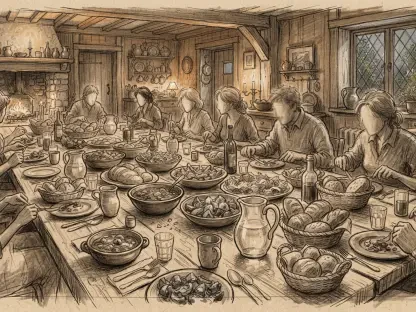
The first pillar of this initiative focuses on the profound intersection of the Mediterranean diet and physical restoration, often referred to as the “Flavor Route.” This itinerary prioritizes the education of the palate, guiding visitors through the nuances of regional olive oils at establishments like Olibaja and artisanal cheesemaking at the historic Los Globos shop. These culinary experiences are not merely about consumption but are designed to highlight the nutritional and therapeutic benefits of locally sourced ingredients. Travelers begin their days with high-quality regional breakfasts at Vinícola Don Tomás before transitioning into therapeutic sessions at specialized centers like Rancho El Parral. The inclusion of a temazcal, or traditional pre-Hispanic sweat lodge, further bridges the gap between modern luxury and ancient purification rites. This synergy ensures that every meal and activity contributes to a broader sense of physical well-being, transforming a simple vacation into a purposeful journey of sensory recovery.
Spiritual Connection: Indigenous Wisdom and Heritage
Complementing the sensory aspects is a deep dive into the spiritual wellness offered by the San Antonio Necua region and its Kumiai Indigenous communities. This segment of the route emphasizes “wellness of the spirit” through direct engagement with history and local wisdom. Visitors are invited to participate in native blessing ceremonies and listen to traditional chants that have been passed down through generations. Intellectual stimulation is provided by visits to community-run museums and craft shops, where the preservation of local traditions is treated as a vital component of the tourist experience. By balancing physical activity, such as horseback riding through the valley, with quiet reflection at sites like the Russian Museum, the itinerary provides a comprehensive cultural immersion. This approach ensures that the visitor’s journey is rooted in the authentic history of the land, offering a level of intellectual and emotional depth that standard luxury resorts often fail to provide to modern travelers today.
Economic Sustainability and Regional Impact
Patient Support: Medical Tourism and Companion Care
One of the most innovative aspects of the current strategy is the integration of medical and leisure tourism, specifically targeting the “accompanying traveler.” While Baja California has long been a destination for specialized medical procedures, the Wellness Route creates a structured ecosystem for the family members and companions who travel with patients. Instead of remaining in sterile clinical environments, these visitors are provided with curated itineraries that offer high-end relaxation and cultural enrichment while their loved ones recover. This model not only improves the overall experience for the patient’s support system but also significantly increases the economic footprint of medical visits. By offering world-class spa services, guided tours, and gourmet dining within easy reach of medical centers, the state is effectively bridging the gap between healthcare and hospitality. This synergy positions the region as a holistic care hub where the recovery process extends beyond the hospital walls and into the restorative landscapes.
Future Standards: Quality Assurance and Oversight
Ultimately, the state successfully formalized these routes to ensure operational sustainability by providing a steady economic flow to local communities throughout the year. Stakeholders identified that the key to long-term success lay in the rigorous standardization of services and the authentic inclusion of regional voices. By moving beyond a narrow focus on viticulture, the region successfully attracted a diverse demographic seeking restorative travel. Future success required continued investment in bio-diverse landscapes and medical-leisure hybrids to maintain this competitive edge. This shift proved that safety and quality were the primary drivers of international interest, and maintaining these benchmarks became a permanent administrative priority. The transition demonstrated that true regional transformation required a commitment to the total well-being of the guest as a fundamental business strategy. Moving forward, authorities planned to expand these vetting processes to all tourism sectors to ensure safety.