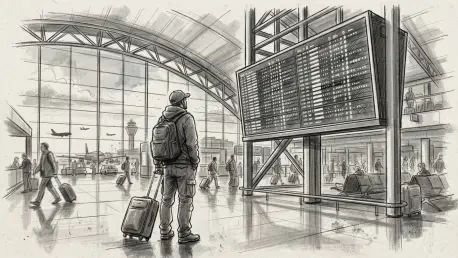

The U.S. Mission has imposed strict internal protocols requiring special authorization for government staff to utilize any Saudi airport at this time. This critical security update, issued on October 30, 2026, serves as a stark reminder of the volatile nature of the regional landscape and the mounting pressure on foreign nationals living within the Kingdom. While the region has seen periods of relative calm, the current escalation follows an October 23 directive that mandated the departure of non-emergency government personnel and their family members. This shift in policy indicates a heightened threat level that necessitates immediate attention from travelers and residents alike. The primary concern centers on the persistent threat of aerial attacks targeting civilian infrastructure, which has fundamentally altered the safety profile of major metropolitan areas and international hubs across the country. Americans must now navigate a complex web of travel restrictions and heightened surveillance.
Aviation Dynamics: Regional Security and Hub Vulnerability
Operational Shifts: The Status of Primary Airport Hubs
The status of the Saudi aviation sector is currently characterized by significant instability and frequent operational shifts designed to mitigate the risk of aerial strikes. While King Khalid International Airport in Riyadh has attempted to maintain a semblance of normalcy by reopening for domestic and limited international travel, a substantial portion of these operations has been rerouted to the regional hub in Qassim. Major logistics and transit centers in Jeddah and Dammam remain functional, yet they are increasingly plagued by systemic delays and spontaneous cancellations that disrupt supply chains and personal transit. These fluctuations are not merely administrative but are direct responses to the ongoing threat posed by Iranian-supported Houthi militants. Their consistent efforts to target critical infrastructure have previously resulted in civilian casualties and severe damage to ground facilities. Consequently, the situational environment remains fluid for any traveler.
Territorial Risks: Proximity and Ground Transit Alternatives
Beyond the immediate concerns at international airports, the U.S. Mission has established rigid boundaries for internal travel to ensure the safety of its personnel and citizens. High-risk provinces such as Jizan and Najran are strictly off-limits, primarily due to their proximity to the Yemeni border where conflict remains most intense. The potential for sudden hostilities to spill over into civilian zones has led to a prohibition on travel within 50 miles of the border. In response to these dangers, the Mission suggests that individuals consider alternative methods of departure if air travel becomes unviable. The King Fahd Causeway to Bahrain remains a viable ground route, and domestic rail or bus services continue to operate under heightened security protocols. While land borders are currently operational, the inherent risks of travel through certain regions mean that every movement must be calculated against the latest intelligence.
Legal Frameworks: Information Security and Compliance
Regulatory Restrictions: The Ban on Documentation and Media
In addition to physical safety concerns, American citizens must remain acutely aware of the stringent legal environment regarding the documentation of security incidents. The Saudi Ministry of Interior enforces a strict ban on filming or sharing any information related to missile interceptions or the impact sites of aerial attacks. This regulation is rigorously applied, and the U.S. Mission has noted instances where foreign nationals were detained for violating these specific codes of conduct. Furthermore, existing laws prohibit the photography of government buildings, military installations, and even civilian airports without explicit permission. In an era where digital communication is instantaneous, the urge to document one’s surroundings can lead to severe legal consequences, including lengthy detention and deportation. It is essential for visitors to prioritize legal compliance over the desire to share real-time updates during this period.
Strategic Resilience: Future Planning and Risk Mitigation
The recent security updates underscored the necessity of maintaining a proactive posture for any American citizen residing in or traveling through Saudi Arabia. Observers noted that the reliance on real-time intelligence and the Smart Traveler Enrollment Program became indispensable tools for navigating the shifting landscape of regional security. By prioritizing situational awareness and adhering to local legal restrictions, individuals managed to mitigate the risks associated with both military hostilities and civil regulations. The shift in travel protocols suggested that the regional environment required a new standard of preparedness, one that accounted for the fragility of air travel and the strength of border controls. Future planning now dictates a move toward diversifying transportation options and establishing robust communication networks that do not rely on sensitive visual documentation. This period of volatility provided a blueprint for how foreign missions could adapt to challenges.