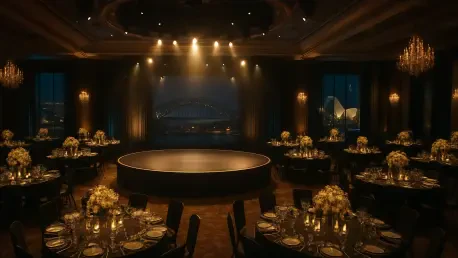

Short-haul destinations like Japan and Thailand remain perennial favorites for Hong Kong-based companies due to their accessibility and the ability to execute high-impact programs quickly. This geographical preference underpins a broader resurgence in the meetings, incentives, conventions, and exhibitions sector, which is currently reclaiming its status as a cornerstone of regional commerce. The establishment of FCM Meetings & Events in Hong Kong marks a pivotal moment in this recovery, signaling a shift from traditional travel management to a more holistic approach that integrates strategic consulting with logistics. Led by Peter Chau, an industry veteran with more than three decades of specialized experience, the firm is navigating a market that has seen its volume nearly double over the current fiscal year. This expansion is not merely a response to increased demand but a proactive move to address the growing complexity of corporate requirements. Organizations are no longer looking for simple event planning; they are seeking strategic partners who can align international standards with local cultural nuances, ensuring that every gathering contributes directly to the bottom line while maintaining a competitive edge in a rapidly changing economic landscape.
Driving Momentum in Key Markets
Sector Growth: Strategic Priorities in High-Regulation Industries
The remarkable growth observed in the Greater China region is rooted in a diverse array of event formats that cater specifically to high-growth and high-regulation sectors. Financial services, technology, pharmaceuticals, and professional services have emerged as the primary engines of this momentum, viewing face-to-face interaction as a vital strategic investment rather than a discretionary expense. In these industries, the intrinsic value of in-person engagement remains unparalleled for cementing client relationships, fostering internal employee alignment, and catalyzing business growth through high-level networking. The demand is particularly strong for regional sales conferences and high-stakes product launches where the nuances of personal interaction can significantly influence market reception and regulatory compliance. By positioning a specialized team in Hong Kong, the focus remains on bridging the gap between local requirements and global standards, providing a sophisticated framework that supports the unique needs of these specialized corporate ecosystems.
The expansion into the Hong Kong market is designed to capitalize on the city’s resurgence as a premier global hub for international commerce and specialized gatherings. Under the guidance of seasoned leadership, the immediate priorities for regional teams include the diversification of client portfolios and the cultivation of robust, strategic partnerships with local suppliers. Leveraging an extensive global network allows the Hong Kong office to act as a vital conduit for innovative, experience-led programming that reflects the unique cultural and business landscape of the region. This approach ensures that corporate buyers can access a seamless integration of travel, lodging, and venue sourcing, moving away from the fragmented models of the past. By focusing on the specific pressures faced by regulated industries, the strategy provides a layer of security and professional oversight that is essential for maintaining brand integrity during large-scale international activations.
Intentional Design: The Shift toward Purposeful Meetings
A critical theme identified in the current corporate event climate is the radical shift in how organizations approach the procurement and execution of their gatherings. The traditional model, which often involved coordinating a disparate array of independent suppliers, is rapidly being replaced by a demand for integrated solutions that offer a consistent attendee experience. Modern corporate buyers are seeking a single strategic partner capable of managing the entire event lifecycle, from initial concept to post-event analytics. This evolution is driven by a desire for greater administrative efficiency and a more cohesive narrative throughout the event. The concept of intentionality has emerged as a cornerstone of this new approach, where businesses are no longer organizing events for the sake of tradition but are becoming increasingly purposeful about the underlying objectives of every gathering.
This move toward intentionality has led to a noticeable trend where large-scale, mass-attendance events are being supplemented or replaced by smaller, more frequent, and highly targeted gatherings. These events, such as executive leadership summits and specialist industry forums, may have fewer participants but place a significantly higher premium on the quality of the experience and the relevance of the content. By focusing on bespoke gatherings, organizations can ensure that their messaging is precisely tuned to the audience, resulting in more measurable outcomes and a higher return on objective. Hong Kong’s status as a destination is bolstered by this trend, as the city welcomed over 2.5 million business visitors in 2025, representing a seven percent increase. The focus is now shifting toward the nature of this growth, emphasizing value over pure volume and ensuring that every meeting serves a clear, strategic function in the company’s broader development plan.
The Evolution of Group Travel and Technology
Reimagining Rewards: The Evolution of Incentive Travel
Incentive travel is no longer viewed through the narrow lens of a simple reward trip; instead, it has been reimagined as a sophisticated tool for employee recognition, retention, and engagement. For Hong Kong-based corporations, the choice between short-haul and long-haul destinations is dictated more by strategic objectives than by mere geography or budget. While regional favorites like South Korea, Taiwan, and Mainland China offer accessibility and cost-efficiency for larger groups, there is a renewed and vigorous interest in long-haul destinations for top-performing teams. European capitals such as Paris, London, and Rome, along with Australian hubs like Sydney, are being explored for their ability to provide once-in-a-lifetime experiences that justify the travel investment. The goal of these programs is to create a lasting emotional connection between the high-achieving employee and the organization, fostering long-term loyalty in a competitive talent market.
Modern incentive programs prioritize exclusivity and personalization over cookie-cutter sightseeing tours. Clients are increasingly moving toward activities that allow participants to connect deeply with the destination and each other, such as private cultural workshops or exclusive access to historical landmarks. This level of personalization requires a deep understanding of the workforce’s demographics and preferences, ensuring that the reward feels genuinely meaningful to the recipient. Furthermore, the strategic alignment of these trips with corporate values helps to reinforce the company culture even when employees are thousands of miles away from the office. By focusing on experience-led programming, event planners are able to deliver high-impact narratives that resonate long after the participants have returned home, transforming a standard trip into a powerful catalyst for future performance and organizational alignment.
Operational Excellence: Data-Driven Insights and Technology
One of the most significant challenges facing modern event organizers is the lack of visibility and control over total event expenditure across multiple departments. When different teams manage separate budgets for airfare, accommodation, and venue hire, it becomes nearly impossible for an organization to track its comprehensive spend or identify systemic cost-saving opportunities. FCM Meetings & Events addresses these operational pain points through a suite of proprietary technological tools designed to centralize data and streamline procurement. The FCM Venue Finder platform, for instance, allows clients to search, compare, and book venues with full transparency regarding pricing and availability. This tool provides data-driven insights into booking lead times and historical spending, enabling procurement teams to make more informed decisions and leverage their collective buying power more effectively with major hotel chains and convention centers.
Beyond simple venue sourcing, the integration of centralized analytics platforms offers dashboards that visualize spending patterns across the entire organization. This visibility is crucial for ensuring procurement compliance and facilitating supplier consolidation, which optimizes every dollar spent throughout the event lifecycle. The objective of this technological integration is not merely to cut costs but to empower businesses to make better investment decisions by understanding where their capital is most effective. By redirecting funds from administrative overhead toward enhancing the actual attendee experience, organizations can achieve better business results and a clearer return on investment. As the industry moves forward, the ability to demonstrate both financial oversight and experiential success through data will become the standard requirement for any successful corporate gathering, ensuring that technology serves as a bridge between logistical efficiency and creative ambition.
Anticipating the Next Era of Events
Future Landscapes: Trends for the 2027 Landscape
As the industry looks toward the 2027 landscape, several key trends are expected to dominate the Greater China market, with a continued emphasis on industry-specific conferences and knowledge-sharing forums. The focus will remain on events that serve a clear business purpose and provide a robust platform for professional community building. Technology will continue to evolve from a facilitator of virtual attendance to an enhancer of the physical experience, utilizing personalized communication streams and advanced digital registration systems. These innovations will include customized apps that facilitate real-time engagement and networking, allowing participants to navigate complex event schedules with ease while providing organizers with valuable data on attendee behavior. Post-event analytics will also become more sophisticated, allowing for the measurement of the return on investment with greater precision than was previously possible.
The evolution of these digital tools will allow for a more seamless transition between the physical and digital components of an event, ensuring that the content remains accessible and engaging long after the final keynote has concluded. For example, the use of augmented reality for product demonstrations or AI-driven matchmaking for networking sessions will become more commonplace in the 2026 to 2028 period. These technologies are designed to remove the friction often associated with large-scale gatherings, making it easier for attendees to find the information and people that matter most to their professional goals. By focusing on the intersection of human connection and technological efficiency, event planners can create environments that are both highly productive and deeply memorable. This forward-looking approach ensures that the business events sector remains a dynamic and essential part of the regional economic infrastructure.
Sustainability and Purpose: Aligning Logistics with Corporate Values
Sustainability is set to become a non-negotiable component of event planning across Asia, as corporate clients increasingly demand that their gatherings reflect their social responsibility values. This shift requires planners to balance creative ambition with environmental impact and logistical efficiency, moving away from single-use materials and excessive waste. Organizations are now looking for venues that hold green certifications and catering partners that prioritize locally sourced, sustainable ingredients. This is not just about environmental stewardship; it is also about brand alignment and meeting the expectations of a more conscious workforce and client base. By integrating sustainable practices into the core of the planning process, businesses can demonstrate their commitment to global goals while still delivering high-quality, impactful events that resonate with their stakeholders.
The challenge for the future lies in quantifying the environmental footprint of large-scale events and finding innovative ways to offset or reduce it without compromising the attendee experience. This includes exploring carbon-neutral travel options, implementing digital-first communication strategies to reduce paper waste, and utilizing energy-efficient technologies at event sites. As regional regulations regarding corporate reporting become more stringent, the ability to provide detailed data on the sustainability of an event will become a key competitive advantage. Planners who can successfully merge logistical excellence with a clear commitment to environmental and social governance will be best positioned to lead the market. Ultimately, the goal is to create a future where business events are not only a driver of economic growth but also a force for positive change within the communities and environments where they take place.
Established a New Standard for Regional Event Management
The strategic expansion of specialized event services in Hong Kong successfully addressed the evolving needs of the Greater China market by prioritizing integrated solutions and data-driven decision-making. By moving beyond the simple logistics of booking rooms and managing transport, the industry shifted its focus toward delivering curated experiences that drove meaningful business outcomes. The combination of veteran leadership and cutting-edge proprietary technology allowed organizations to gain unprecedented visibility into their total event expenditure, leading to more efficient procurement and higher returns on investment. This approach proved particularly effective for high-regulation sectors that required a balance of creative flair and rigorous compliance. As the market grew, the ability to merge personalized engagement with sustainable practices became the hallmark of successful management. These advancements ensured that corporate gatherings remained a vital tool for organizational growth, fostering deeper connections and more purposeful interactions across the professional landscape. Moving forward, the focus remained on refining these strategies to adapt to new technological capabilities and shifting attendee expectations, solidifying the region’s position as a global leader in the business events sector.