
Aging venues rarely get second chances to become first-choice destinations, yet that is exactly the moment Sheffield now faces as a global operator maps a 25-year renewal while delivering immediate guest benefits. The plan threads a fine line: keep beloved character, raise production capacity, and turn data into better programming and pricing.
Setting the context and what this guide covers
Legends Global’s first year at Sheffield City Hall and Utilita Arena Sheffield centered on diagnosis, not decoration. Systems were reviewed, stakeholders engaged, and priorities set to keep both venues central to culture, conferences, and entertainment.
This guide outlines best practices that modernize without erasing heritage. It covers diagnostic assessment, stakeholder alignment, phased capital planning, technology upgrades, customer experience, heritage protection, programming strategy, and city partnership models.
Why best practices matter for legacy-venue turnarounds
Disciplined methods safeguard operations during change. Clear processes preserve safety and compliance while upgrades unfold in visible stages.
Sound practice also compounds returns. Smarter systems cut costs, diversified programming lifts yield, and sensitive design protects identity while enabling modern productions that strengthen the city brand.
Actionable best practices for modernizing and future-proofing dual-profile venues
Revitalizing a civic hall and an arena demands a common framework with venue-specific tactics. The steps below balance heritage stewardship with performance, revenue, and guest experience.
The approach favors phased work, interoperable tech, and city collaboration. Each action builds capacity and reduces friction for organizers and audiences.
Start with a structured diagnostic and prioritization roadmap
Audit building fabric, MEP, FOH and BOH flows, digital infrastructure, and commercial contracts. Map quick wins against long-life system replacements.
Set a two-speed plan: visible improvements over 6–18 months, structural reinvestment over the 25-year horizon. City Hall FOH, venue tech, and infrastructure upgrades were sequenced to show early gains while planning core replacements.
Align programming with city strengths and a balanced portfolio
Aim association and conference bids at universities, healthcare, surgical innovation, and new tech. Keep touring entertainment to stabilize revenue.
City Hall calendars feature the Society of Garden Designers, The Children’s Media Conference, and the British Oculoplastic Surgery Society, while the Arena maintains BBC, Hungry Bear, and MGM Studios projects.
Build deep city partnerships to expand the bid pipeline
Work with destination marketing and ambassador programs to co-create bids. Showcase sector expertise with clear production and access plans.
Partnership with Marketing Sheffield and city ambassadors underpinned record attendance at the Sheffield Chamber AGM and secured tech-focused meetings such as CIVICA.
Modernize guest experience without compromising heritage
Upgrade wayfinding, accessibility, seating, acoustics, and concessions to current standards. Use reversible interventions and sympathetic materials.
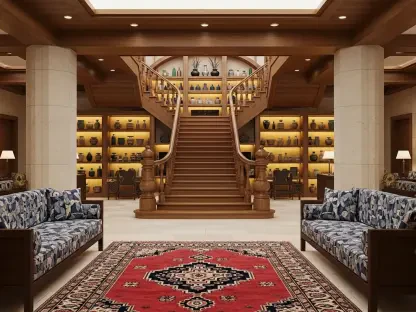
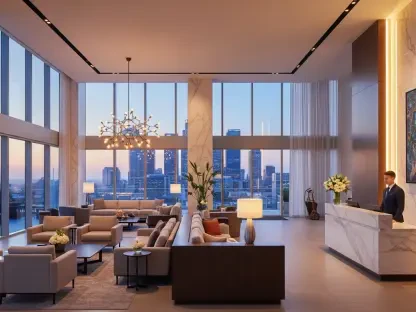
Planned FOH refreshes at the 94-year-old City Hall elevate comfort and access while preserving signature architecture that defines its civic role.
Invest in scalable, interoperable venue technology
Unify ticketing, CRM, digital signage, Wi-Fi, and production infrastructure. Feed data into pricing, programming, and operations.
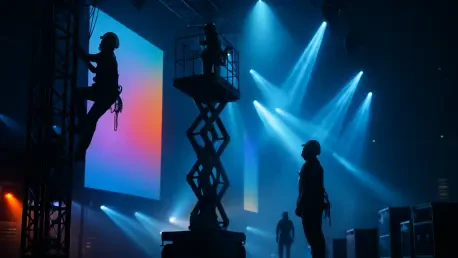
Enhanced Arena technology supports broadcast-grade demands and quick turnarounds, helping secure higher-spec content with reliable delivery.
Phase capital works to limit disruption and maximize returns
Schedule work in shoulder periods and bundle related tasks to cut downtime. Track ROI with event yield, dwell time, and NPS or CSAT.
Early 6–18 month improvements target visible guest gains, while deeper infrastructure replacements avoid peak seasons and protect revenue.
Tailor strategies to venue age and role
Heritage halls and multipurpose arenas require different cycles, acoustics, load-in, and back-of-house solutions. One template does not fit both.
City Hall emphasizes heritage-sensitive upgrades and conference acoustics; the Arena prioritizes rigging, broadcast utilities, and rapid changeovers.
Strengthen operational resilience and safety
Update life-safety systems, crowd plans, and cyber controls. Train teams for new tech and emergency protocols to match expanded production footprints.
Systems reviews informed upgrades that support larger broadcasts without compromising safety or uptime across either site.
Conclusion and who benefits from this approach
The methodical, partnership-led, tech-forward plan offered a durable template for renewing legacy venues while growing market share. City stakeholders, organizers, touring productions, and local economies stood to gain from resilient operations and higher-value events.
Before adopting, teams confirmed governance clarity, long-horizon capital access, heritage constraints, seasonality for phasing, and data architecture readiness. The next steps prioritized interoperable platforms, bid-aligned programming, and phased works that sustained momentum while compounding returns.