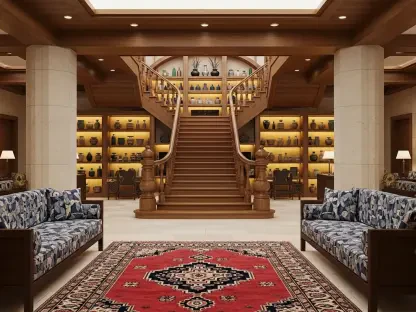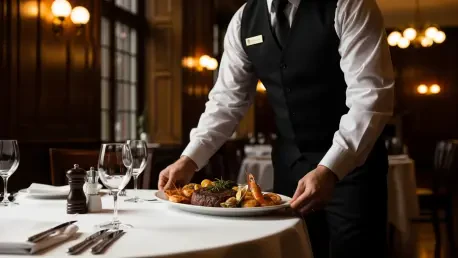

To dine within certain San Francisco establishments is to engage in a form of time travel, stepping away from the bustling, modern metropolis and into a tangible past where the city’s foundational narratives are still told through wood-paneled walls and classic recipes. These are not mere restaurants; they are living museums, preserving the very essence of pivotal eras, from the chaotic optimism of the Gold Rush to the defiant resilience that followed the great 1906 earthquake. The experience is defined by an enduring “old-school” aesthetic, characterized by rich textures, crisp white linen tablecloths, and the formal attentiveness of a professionally attired waitstaff. Within these venerable spaces, classic American and European menus, heavily focused on steak and seafood, serve as a direct link to a culinary heritage that has weathered over a century of profound change. To patronize these venues is to do more than satisfy an appetite; it is to immerse oneself in a unified narrative of tradition and resilience that continues to define San Francisco’s unshakeable identity.
Pioneers of the Gold Rush Era
San Francisco’s culinary history is deeply rooted in the ambitious and often chaotic spirit of the Gold Rush, with its oldest establishments serving as enduring monuments to that foundational period. Tadich Grill, celebrated as California’s oldest continually operating restaurant, exemplifies this legacy, its origins tracing back to a humble coffee stand erected in a tent on Long Wharf in 1849. There, Croatian immigrants served freshly grilled fish to the throngs of fortune-seekers, establishing a culinary tradition that persists today in its modern Financial District location. Similarly, the Old Ship Saloon boasts one of the city’s most unique birthplaces, having been ingeniously converted from the hull of the Arkansas, a vessel that ran aground in 1849. By 1851, the grounded ship had become a popular ale house for a rough-and-tumble clientele. These institutions are not just historical footnotes; they are the bedrock of the city’s dining scene, offering a direct and flavorful connection to the pioneers who first shaped its destiny.
The narrative of 19th-century hospitality is further enriched by institutions that have become synonymous with the classic San Francisco dining experience. Sam’s Grill, the city’s third oldest restaurant, has been a fixture since 1867, its neon sign on Belden Alley beckoning patrons into a timeless world of wood paneling and private, curtain-lined booths. The atmosphere is one of cultivated elegance, with formally clad waiters offering a taste of turn-of-the-century fine dining through historic dishes like stuffed petrale sole and sand dabs. Holding a strong claim as the second oldest, the Old Clam House has operated from the same Bayview-Hunters Point location since 1861, its original bar still standing as a testament to its incredible longevity. For over a century and a half, it has remained a cherished neighborhood institution, consistently serving fresh seafood and sizzling skillets to generations of locals, embodying a steadfast commitment to community and tradition that has defied the passage of time.
Cornerstones of Historic Neighborhoods
The distinct cultural tapestries of San Francisco’s most iconic neighborhoods are intricately woven through their landmark dining establishments. In North Beach, Fior di Italia, or “The Flower of Italy,” has been a cornerstone of the community since 1886. Founded by Italian immigrants who found their fortune not in gold but in hospitality, the restaurant catered to the boisterous crowds of the Barbary Coast with hearty Northern Italian cuisine. Just a few blocks away, Tosca Cafe, which opened its doors in 1919, became synonymous with the neighborhood’s vibrant, bohemian spirit. Its atmosphere is so thick with history that it feels as though the walls themselves could recount tales of the past. During Prohibition, it famously skirted the law by serving a “boozy cappuccino,” a clever concoction that discreetly delivered alcohol to its patrons. Today, both establishments continue to serve as vital cultural anchors, offering an authentic taste of the immigrant experiences that built these legendary districts.
Further enriching the city’s culinary landscape, the Hang Ah Tea Room holds a place of profound national importance, tucked away in a quiet Chinatown alley. While its 1920 opening makes it a more recent arrival compared to its 19th-century counterparts, its historical significance is unparalleled as the very first dim sum parlor in the United States. Its hidden location ensures that it is a destination patrons actively seek out rather than stumble upon, a journey that rewards them with an authentic culinary experience that established a tradition now beloved across the country. This establishment is a powerful reminder that historical impact is not always measured in age alone but in cultural innovation. Its continued operation provides a direct link to the pioneering spirit of the city’s Chinese American community, preserving a vital piece of culinary history that began in a small, unassuming alley and grew into a nationwide phenomenon.
Symbols of 20th-Century Resilience
The period of rebirth following the cataclysmic 1906 earthquake and fire is immortalized in several restaurants that stand as potent symbols of the city’s unwavering resolve. John’s Grill, which opened in 1908, was among the first establishments to launch in the revitalized downtown district, quickly becoming a prominent gathering place where, as legend holds, “important conversations happened.” Its legacy is meticulously preserved through a menu of perfectly cooked steaks, seafood, and the famous Jack LaLanne salad, all enjoyed amid the lively ambiance of nightly live music. Similarly, Schroeder’s, a Bavarian beer hall founded in 1893, reflects the city’s capacity for both physical and social reconstruction. Though the original building was lost to the quake, its founder was a key figure in the area’s rebuilding efforts. For much of its history, it was a male-only establishment, only beginning to serve women in the 1970s, making its survival a chronicle of the city’s evolving social dynamics.
A different, yet equally powerful, form of nostalgia is preserved at St. Francis Fountain, a classic American ice cream fountain and diner that has been a cherished fixture in the Outer Mission since 1918. While it has gracefully evolved over its century of operation—now serving ice cream from a local favorite rather than making its own—it has retained its soul-soothing, timeless charm. The fountain continues to be a beloved spot for comfort food, classic sandwiches, and generous scoops of ice cream, preserving the simple, heartwarming appeal of a traditional American diner. It stands as a testament to the idea that enduring history is found not only in the grand, formal steakhouses of the city center but also in the humble neighborhood institutions that have provided comfort and community for generations, proving that resilience can be as unassuming as a seat at a diner counter.
A Legacy Forged in Time
The enduring presence of these historic restaurants provided San Francisco with more than just places to eat; they offered a crucial sense of continuity in a city repeatedly redefined by rapid change. Their survival through earthquakes, economic downturns, and shifting cultural tides signified a deep-seated resilience that became part of the city’s very identity. Each establishment acted as a cultural anchor, preserving not only recipes but also the social rituals and neighborhood spirits of bygone eras. In retrospect, these venues did not merely withstand the forces of modernization; they actively shaped a model for how cultural heritage could be maintained. They demonstrated that tradition was not an obstacle to progress but a foundation upon which a vibrant, modern city could be built, ensuring that the stories of the past remained an integral and flavorful part of the present.