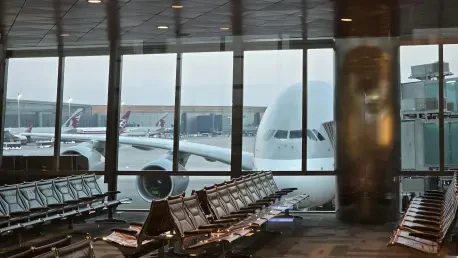

The once-static landscape of airport concessions is undergoing a profound transformation, driven by automated systems that promise hot, restaurant-quality meals at the touch of a screen around the clock. Airport food automation represents a significant advancement in the travel and hospitality sector. This review will explore the evolution of this technology, its key features, operational models, and the impact it has had on the airport dining experience. The purpose of this review is to provide a thorough understanding of automated food solutions, their current capabilities, and their potential future development within high-traffic transportation hubs.
An Introduction to Automated Airport Dining
Automated airport dining has emerged as a powerful solution to the unique challenges of serving a transient, time-sensitive population. At its core, this technology leverages robotics, advanced software, and streamlined logistics to deliver food with minimal human intervention, addressing the industry’s pressing need for efficiency, consistency, and 24/7 availability. The drive toward automation has been accelerated by shifting traveler expectations, where convenience and safety are paramount, making self-service options increasingly attractive.
This technology is rapidly becoming integral to the broader landscape of airport operations and passenger service innovation. Airports are complex ecosystems where labor shortages, fluctuating passenger volumes, and the high cost of retail space can strain traditional food and beverage models. Automated kiosks offer a smaller footprint, lower operational overhead, and the ability to function continuously, providing a reliable revenue stream for airports and a dependable dining option for passengers during off-peak hours or overnight layovers.
Core Technologies and Operational Components
Smart Vending Kiosks and Robotic Systems
The primary hardware enabling airport food automation ranges from intelligent vending kiosks to fully robotic preparation stations. Advanced kiosks, such as those capable of heating and dispensing hot meals, use a combination of convection, microwave, and infrared technologies to bring pre-packaged, restaurant-quality food to serving temperature in minutes. These systems are engineered for high performance, with metrics focused on order speed, consistency, and mechanical reliability to handle the demanding pace of a busy terminal.
Beyond simply reheating, more sophisticated robotic systems are being deployed to handle aspects of food preparation. These may include robotic arms that assemble custom orders or automated grills and fryers integrated into a self-contained unit. The significance of this hardware lies in its ability to standardize the final product, ensuring that every meal meets brand specifications without the variability of human preparation. This consistency is crucial for delivering a trustworthy dining experience with minimal direct labor.
Integrated Software and User Interfaces
The digital backbone of automated dining is the sophisticated software that orchestrates everything from inventory management to the final transaction. This software provides real-time data on stock levels, sales trends, and system performance, allowing operators to manage their network of kiosks remotely and efficiently. Predictive analytics can forecast demand, ensuring popular items are replenished before they run out and minimizing food waste.
For the traveler, the experience is defined by the user-facing interface. Intuitive touch-screen menus, clear product visuals, and seamless mobile payment integrations are essential for creating a frictionless process. These interfaces are designed for speed and simplicity, allowing a time-conscious passenger to browse, order, and pay in under a minute. This focus on a user-friendly digital experience is critical for building consumer confidence and encouraging repeat business.
Supply Chain and Operational Logistics
A successful automated food service relies on a robust logistical framework that operates seamlessly within the secure and highly regulated airport environment. This involves more than just delivering food; it encompasses a complex supply chain designed for freshness and safety. Specialized operational partners are critical for managing inventory replenishment, which requires security-cleared personnel and adherence to strict airport protocols for deliveries and access.
These partners are also responsible for routine maintenance and rapid-response technical support to ensure maximum uptime for the kiosks. Their established relationships with airport authorities facilitate navigation of the complex compliance and regulatory landscape. In essence, these behind-the-scenes logistical processes are the foundation upon which the entire automated system rests, ensuring the kiosks remain stocked, functional, and compliant.
Emerging Trends and Industry Innovations
The field of airport food automation is evolving rapidly, with several key trends shaping its future. One major development is the integration of artificial intelligence and machine learning to create personalized customer experiences. Future systems may offer menu recommendations based on the time of day, flight destination, or a traveler’s past purchase history, creating a more engaging and tailored interaction.
Furthermore, menu diversity is expanding well beyond traditional snacks and sandwiches. Brands are now offering everything from hot pizza and ramen to gourmet salads and iconic fast-food items through automated channels. This diversification caters to a wider range of tastes and dietary preferences. In parallel, airports are strategically redesigning their concession areas, with some moving toward dedicated, vending-focused food courts. This model optimizes space and labor, reflecting a fundamental shift in how airports approach their commercial food and beverage programs.
Strategic Implementation a Case Study of White Castle at RSW
The Power of a Three-Part Partnership Model
The real-world application of airport food automation is effectively demonstrated by the White Castle kiosk at Southwest Florida International Airport (RSW). Its success hinges on a strategic three-part partnership that leverages the unique strengths of each entity. The model combines an iconic brand (White Castle), a specialized technology provider (Just Baked), and an expert operations specialist (Evolvending). This collaborative approach creates a powerful synergy where the brand provides consumer trust and a proven product, the tech company delivers the reliable hardware, and the operator manages the complex on-the-ground logistics.
This tripartite structure facilitates rapid and scalable deployment into the competitive airport market. White Castle can expand its footprint without the immense capital investment of building a traditional restaurant. Just Baked can focus on refining its automated retail technology, while Evolvending uses its industry expertise to secure premium locations and ensure smooth daily operations. The RSW installation serves as a compelling blueprint for how brands can efficiently enter non-traditional markets through strategic alliances.
Addressing Modern Traveler Needs for On the Go Dining
The automated kiosk at RSW directly addresses several key pain points for the modern traveler. In an environment defined by tight schedules and unexpected delays, passengers need food options that are fast, reliable, and available at all hours. The kiosk offers hot, ready-to-eat White Castle Sliders on demand, eliminating the long queues and limited operating hours often associated with traditional airport restaurants.
By providing a familiar and beloved product like the Slider, the kiosk also meets a consumer desire for comfort and predictability in what can be a stressful travel environment. This combination of convenience, speed, and brand recognition proves highly effective. It delivers a solution that is perfectly aligned with the on-the-go nature of air travel, satisfying the demand for a satisfying hot meal without compromising a passenger’s schedule.
Challenges and Market Limitations
Ensuring Food Quality and Overcoming Consumer Skepticism
One of the most significant hurdles for automated food service is maintaining consistent, high-quality output while overcoming the lingering public perception that vended food is inherently inferior. Consumer trust is paramount, and any inconsistency in taste, temperature, or texture can reinforce negative stereotypes. Success requires meticulous supply chain management to ensure product freshness and advanced heating technology that prepares food to precise, restaurant-level standards.
Building this trust also demands a concerted marketing effort. Brands must clearly communicate the quality of their ingredients and the sophistication of the technology used. Highlighting the consistency—that the automated product is identical to what is served in-store—is crucial. Positive initial experiences are key to changing perceptions and establishing automated kiosks as a legitimate and desirable dining option.
Navigating Technical Reliability and Maintenance
The operational success of automated kiosks is entirely dependent on their technical reliability. A malfunctioning machine translates directly to lost revenue and a poor customer experience. Deploying complex robotics and heating systems in a 24/7 environment presents considerable challenges, as even minor issues can cause significant downtime if not addressed immediately.
Ensuring high uptime requires a proactive maintenance strategy and a rapid-response support network capable of providing on-site service within the secure airport environment. The associated costs for specialized technicians, spare parts, and remote monitoring systems are a significant operational consideration. Operators must balance the benefits of automation with the investment required to keep the machinery functioning flawlessly.
Future Outlook for Automated Culinary Services in Travel Hubs
The trajectory for automated culinary services in travel hubs points toward greater sophistication and deeper integration into the passenger journey. The next wave of innovation will likely feature fully robotic kitchens capable of preparing a wide array of made-to-order meals, moving beyond pre-packaged items. This will enable hyper-personalized menus where travelers can customize their orders to an unprecedented degree, catering to complex dietary needs and preferences.
Furthermore, seamless integration with airline and airport mobile applications will become standard. Passengers may soon be able to pre-order a meal from their automated kiosk of choice while on their way to the airport, receiving a notification when it is ready for pickup. This evolution will transform airport dining from a reactive necessity into a planned, convenient part of the travel experience, ultimately influencing airport terminal design to accommodate these new, efficient food hubs and altering traditional labor models in the process.
Concluding Assessment
The review of airport food automation highlighted its emergence as a transformative force in the travel dining sector. An analysis of its core technologies, from smart kiosks to the intricate software and logistics that support them, confirmed a mature and rapidly advancing ecosystem. The successful implementation, exemplified by the White Castle partnership model, demonstrated a viable framework for combining brand recognition with technological innovation to meet modern consumer demands for speed and 24/7 accessibility.
Challenges related to food quality perception and technical maintenance were identified as critical areas requiring ongoing attention. However, the prevailing trends toward menu diversification and strategic adoption by airport authorities suggested a strong forward momentum. Ultimately, the assessment affirmed that airport food automation has moved beyond a novelty and established itself as a pivotal component of the modern passenger experience, poised to redefine efficiency, convenience, and commercial strategy in travel hubs worldwide.