
The evolution of Biggby Coffee from a localized Michigan staple into a prominent national contender represents a masterclass in balancing aggressive expansion with deep-rooted community values. As the organization navigated its landmark thirtieth year of operations throughout the previous twelve months, the East Lansing-based franchise successfully leveraged its anniversary milestone to redefine its market presence. By utilizing the iconic Caramel Marvel beverage as a strategic loss leader, the company effectively re-engaged lapsed customers and drove significant foot traffic into its diverse array of locations. This initiative served as more than just a temporary sales boost; it functioned as the primary gateway for a comprehensive brand relaunch that introduced a refined visual identity to the public. Through the implementation of the new Biggby Makes it Better tagline, the company established a consistent and professional aesthetic across its network of over four hundred and sixty cafes, ensuring that the guest experience remains uniform regardless of geographic location. This strategic pivot has set a clear trajectory for continued development throughout the current fiscal cycle.
Operational Scaling and Strategic Brand Evolution
Evaluating Growth: New and Existing Markets
The fiscal data from the most recent reporting period illustrates a robust growth trajectory that highlights the brand’s increasing influence within the competitive high-energy coffee sector. With the successful opening of forty-seven new locations, the company expanded its footprint to encompass thirteen states, signaling a successful transition from a regional player to a national entity. However, the most significant metric of success was the notable increase in same-store performance across established cafes. This trend suggests that the brand is not merely relying on new territory to bolster its figures but is instead deepening its relationship with existing customer bases. The ability to increase guest counts in mature markets indicates that the recent menu innovations and promotional strategies have resonated deeply with local demographics, ensuring that each storefront remains a high-performing asset within the broader franchise system as the company looks to maintain this momentum through 2026 and beyond.
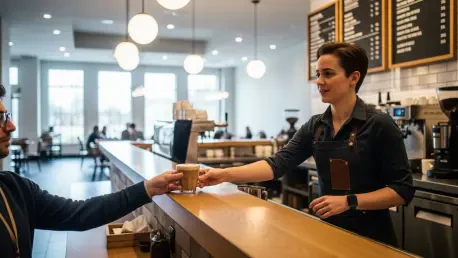
The current strategy focuses on transforming these locations into routine-essential destinations for a diverse guest base that seeks both quality and convenience. By analyzing consumer behavior patterns, the leadership team identified that the physical atmosphere of the cafes, combined with a high-energy service model, remains a critical differentiator in an increasingly digital world. This resilience in physical retail traffic provides a stable foundation for the brand to test new product offerings without the risk associated with less established franchises. Furthermore, the integration of seasonal promotions and limited-time offerings has proven effective in maintaining high engagement levels throughout the year. As the brand continues to penetrate new states, the focus remains on ensuring that the core values of the organization are not diluted by rapid growth. This careful management of the brand’s identity has allowed it to scale effectively while retaining the charm of a neighborhood coffee shop, which is essential for long-term sustainability.
Analyzing Reputation: National Recognition and Loyalty
The market position of the organization was further solidified by its recent ranking as the second-best coffee chain in the country by major national publications. This recognition reflects a broad consumer consensus regarding the brand’s value proposition and the quality of its artisanal offerings. Despite the fluctuations in the broader economy and a general tightening of discretionary spending among many demographics, the franchise has managed to maintain high guest frequency. This achievement underscores the effectiveness of a community-minded philosophy that prioritizes the human element of the coffee experience. By positioning itself as a reliable part of the daily routine for thousands of customers, the brand has built a level of loyalty that rivals much larger global entities. This national acclaim serves as a powerful marketing tool, attracting both new customers and potential franchisees who are looking to align themselves with a proven and respected brand that consistently delivers on its promises.
Maintaining this level of consumer trust requires a constant commitment to operational excellence and a deep understanding of local market dynamics. The brand’s ability to compete with global giants while maintaining a local feel is largely attributed to its decentralized ownership model, where individual franchisees are encouraged to engage directly with their communities. This approach creates a sense of ownership and accountability that is often missing in corporate-owned chains. Moreover, the brand has successfully navigated the challenges of rising costs by optimizing its supply chain and focusing on high-margin specialty beverages. This financial discipline, combined with a strong brand identity, has enabled the company to thrive in a crowded marketplace. As the brand moves forward in 2026, the emphasis remains on leveraging this national recognition to enter more competitive urban markets, where the demand for premium, community-focused coffee experiences continues to grow at a rapid pace.
Modernizing Infrastructure and Franchisee Support Systems
Strengthening Foundations: Empowerment of Franchise Owners
Internal shifts within the corporate structure have transformed how the organization supports its one hundred percent franchise-owned network by moving beyond basic operational training. The current framework emphasizes sophisticated business fundamentals, including financial literacy and long-term scalability planning. By providing owners with advanced tools for performance analysis, the corporate office ensures that each franchisee is equipped to handle the complexities of modern retail management. This initiative includes a focus on helping single-unit owners transition into multi-unit operators, which is a key component of the brand’s overall growth strategy. By prioritizing the financial health and professional development of the individual owner, the company has fostered a more sustainable and resilient ecosystem. This collaborative approach ensures that the growth of the brand is matched by the profitability and stability of its partners, creating a unified front in a competitive industry.
The commitment to a people-first culture extends into the recruitment process, where potential franchisees are carefully vetted to ensure they align with the brand’s core values. This selective approach maintains the integrity of the organization and ensures that new locations are led by individuals who are passionate about community engagement and service excellence. Beyond initial onboarding, the company offers continuous consulting services that address everything from local marketing strategies to labor management and inventory control. This holistic support system reduces the barriers to entry for aspiring entrepreneurs and provides a safety net that encourages innovation at the local level. By investing in the human capital of the franchise network, the brand has created a culture of shared success that drives performance across all regions. As the company continues to refine these support mechanisms in 2026, the focus will remain on empowering owners to make data-driven decisions that enhance the guest experience and drive long-term value.
Advancing Integration: Digital Innovation and Partnerships
Digital optimization has become a non-negotiable priority for the organization as it seeks to reduce friction in the ordering process and enhance the overall loyalty experience. Recent updates to the mobile application have focused on creating a seamless interface that allows customers to customize their orders and earn rewards with minimal effort. The introduction of initiatives like double-point loyalty days has successfully increased digital engagement and provided the company with valuable data regarding consumer preferences. This data-driven approach allows for more personalized marketing campaigns that resonate with individual users, further deepening the bond between the brand and its guests. As technology continues to evolve, the company is exploring new ways to integrate digital convenience with the physical cafe experience, ensuring that the brand remains relevant in an increasingly tech-savvy marketplace while still honoring the human connection.
Strategic partnerships with global brands have also played a significant role in the company’s recent marketing success and menu innovation. Collaborative efforts, such as the introduction of specialty drinks inspired by major confectionery brands, have generated significant buzz and attracted a younger demographic of consumers. these high-profile collaborations demonstrate the brand’s increased market leverage and its ability to innovate within a crowded product category. By pairing recognized global flavors with the brand’s signature high-energy coffee, the company has created a unique value proposition that drives both social media engagement and in-store sales. Moving through the 2026 fiscal year, the organization planned to continue exploring these types of synergistic relationships to keep the menu fresh and exciting. This combination of technological advancement and creative partnership positions the brand as a forward-thinking leader that is capable of adapting to changing consumer tastes while maintaining its core identity.
Strategic Perspectives for Future Development
The strategic roadmap established during the previous fiscal year provided a comprehensive blueprint for sustainable growth and operational refinement. The organization prioritized the integration of advanced data analytics to better understand regional market variations, which allowed for more targeted investment in high-potential areas. By focusing on the intersection of digital convenience and community-centric service, the brand established a resilient business model that successfully navigated shifting economic landscapes. The leadership team emphasized the importance of maintaining a high standard of consistency across all touchpoints, which proved vital in securing the second-place national ranking. This commitment to quality ensured that the brand remained a preferred choice for consumers seeking a premium coffee experience without the impersonal feel of larger corporate entities.
The company implemented several key initiatives that focused on environmental sustainability and ethical sourcing, which resonated strongly with a more socially conscious consumer base. These efforts included the expansion of direct-trade partnerships and the introduction of eco-friendly packaging solutions across the entire network. By aligning corporate social responsibility with business objectives, the brand enhanced its reputation and fostered deeper emotional connections with its guests. The strategy also involved a significant investment in employee development programs, recognizing that the frontline staff are the primary ambassadors of the brand’s high-energy culture. This holistic approach to brand management ensured that every aspect of the organization was optimized for long-term success. As the brand entered the current year, it did so with a strengthened foundation and a clear vision for expanding its influence across the national coffee landscape.