
Katarina Railko has built a distinguished career by bridging the gap between luxury hospitality and large-scale retail development. With her deep background in travel, tourism, and high-profile events, she understands exactly how consumer behavior shifts when moving from a quiet storefront to a bustling commercial hub. In this discussion, we explore the strategic expansion of a rapidly growing Southern-inspired dessert brand as it makes its historic debut in the prestigious Mall St. Matthews, examining the logistics of scaling nostalgia across 24 states.
Moving into a major mall food court like Mall St. Matthews represents a significant shift from standalone stores. What specific operational adjustments were required for this high-traffic environment, and how do you expect the customer demographic to differ from your traditional brick-and-mortar or mobile unit locations?
Transitioning into a premier mall setting requires a complete recalibration of speed and throughput because the foot traffic is significantly more concentrated than at a standalone site. At Mall St. Matthews, we had to streamline our workflow to handle the “impulse buyer” who may only have a few minutes between shopping stops, whereas our traditional locations often serve as a planned evening destination. The demographic shifts toward a much more diverse age range, including teenagers on weekends and professional shoppers during the week, rather than just families driving in for a treat. We are moving from a destination-based service model to one that thrives on high-visibility convenience and rapid fulfillment.
Gourmet coffee is being introduced as a new menu staple alongside signature desserts like cobbler and banana pudding. Why was the food court setting the right place to debut this beverage program, and how do you anticipate coffee sales will impact your peak service hours?
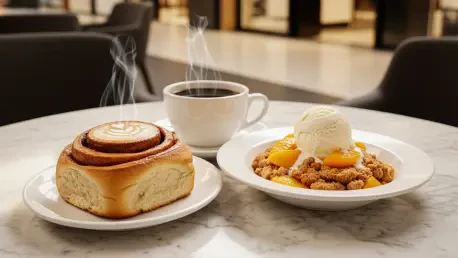
The food court is the ultimate laboratory for a coffee program because mall-goers are constantly seeking a caffeine boost to sustain their shopping experience. By offering regulars, decaf, and flavored coffees, we are positioning ourselves to capture the morning and mid-afternoon “slump” periods that occur before the post-dinner dessert rush. This helps us level out our sales volume throughout the day, ensuring the staff remains productive even when the demand for heavy desserts like cobbler is traditionally lower. We expect coffee to become a natural companion to our cinnamon rolls and brownies, creating a more well-rounded breakfast and snack appeal.
Owners are increasingly scaling from single units to multiple locations within the same region, such as the Greater Louisville area. What performance metrics or operational milestones do you look for when deciding a franchisee is ready to take on a high-profile retail site in a new territory?
When we look at successful operators like the Painulys, who already manage our Elizabethtown store, we prioritize consistency in product quality and staff retention as the primary indicators of readiness. A franchisee must prove they can maintain the “Peach Cobbler Factory” standard of hospitality in a lower-pressure environment before we entrust them with a high-stakes, high-rent location like a major mall. We also analyze their ability to manage complex logistics, as running multiple units across Middletown and Elizabethtown requires a sophisticated understanding of local supply chains. Only when an owner demonstrates total operational mastery do we move forward with aggressive expansion into prestigious retail hubs.
The menu features twelve flavors of cobbler and pudding, plus brownies, cookies, and churro stix. How do you maintain strict quality control across such a diverse product line, and what are the logistical steps involved in ensuring these Southern-inspired recipes stay consistent across 24 different states?
Maintaining the integrity of 12 different cobbler and banana pudding flavors across 130 units requires a highly centralized approach to ingredient sourcing and recipe training. We utilize proprietary batches and standardized preparation protocols to ensure that a Peach Cobbler in Kentucky tastes identical to one served in any of the other 23 states where we operate. Our logistics team monitors supply chain touchpoints closely, ensuring that every mobile unit and brick-and-mortar store receives the same high-quality fruit and dairy bases. We also conduct regular field audits to ensure that the “Bigger & Better” cookies and hand-rolled cinnamon rolls meet our exact texture and temperature specifications.
With 130 units currently operating and dozens more in development, the brand is growing at an aggressive pace. What are the primary challenges of scaling a dessert-focused concept nationally, and how do you preserve a nostalgic, small-town hospitality feel within large-scale commercial developments?
The biggest challenge of national scaling is preventing the brand from feeling like a “faceless” corporation as it grows into dozens of new markets simultaneously. We combat this by leaning heavily into our Southern roots, using warm colors, inviting scents, and a service style that encourages staff to engage personally with every guest. Even in a massive development like Mall St. Matthews, we want the customer to feel the same sense of comfort they would find in a small-town kitchen. By focusing on “Sweet Peachy Tea” and nostalgic flavors, we create an emotional connection that transcends the clinical atmosphere often found in modern shopping centers.
What is your forecast for the dessert franchise industry?
I believe the dessert sector is moving toward a “specialization over generalization” model where brands that master a specific niche—like Southern comfort food—will outperform those with generic menus. As we see more high-profile retail spaces seeking “eat-ertainment” and specialized food concepts, dessert brands will increasingly move into malls and mixed-use developments to fill the gap left by departing traditional retailers. My forecast shows a significant rise in multi-unit ownership where franchisees leverage 25-plus years of corporate expertise to dominate regional markets quickly. We will see a shift where dessert is no longer just an afterthought to a meal, but a primary reason for consumers to leave their homes.