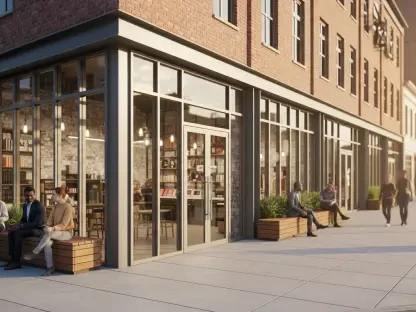

The bustling intersection of the Diamond District and the Theater District in Midtown Manhattan serves as a relentless backdrop to the city’s frantic pace, yet a new sanctuary has emerged to offer a profound sense of stillness and hospitality. Delos Greek Restaurant, located at 102 West 47th Street, represents a sophisticated fusion of ancient Hellenic tradition and contemporary culinary excellence. Established by restaurateur Stathis Antonakopoulos of Carnegie Hospitality, the venue is founded upon the sacred principle of philoxenia, which translates literally to the “love of the stranger.” This ethos elevates the act of dining from a mere commercial transaction into a ritualized gathering that honors the guest as a central figure. By naming the establishment after the mythical birthplace of Apollo and Artemis, the creators have positioned this space as a modern-day Delos—a sanctuary where the noise of the city fades, replaced by a deep commitment to heritage and connection.
A Masterclass in Culinary Evolution
Technical Rigor: The Vision of Chef Giannis Parikos
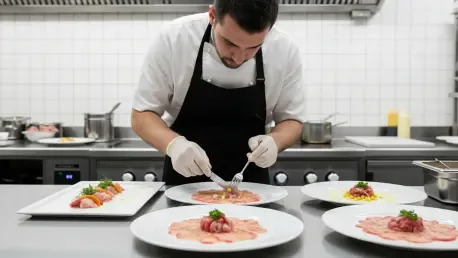
Michelin-starred Chef Giannis Parikos leads the kitchen with a philosophy that transcends the clichés often associated with Mediterranean fare in the United States. Rather than leaning on predictable presentations or rustic simplicity, Parikos applies a rigorous technical standard to elevate traditional flavors into a high-level discourse on the evolution of Greek cuisine. His approach is defined by an “intelligent exuberance,” where every ingredient serves a structural and sensory purpose. By integrating classical French techniques with ancestral Greek recipes, he creates a menu that feels both timeless and innovative. This transition away from the standard “taverna” model allows for a more intellectual engagement with the food, where diners are invited to appreciate the subtle complexities of texture and temperature. The kitchen operates as a laboratory of heritage, meticulously refining dishes to ensure they meet the modern standards of global fine dining while remaining rooted in history.
The menu structure reflects this commitment to precision, offering a curated journey through Greece’s diverse coastal and inland terrains. It begins with raw selections that emphasize the purity of the sea, such as sea bream ceviche and sea bass carpaccio, both of which are executed with clinical accuracy to highlight the natural sweetness of the proteins. Moving beyond the sea, the offerings expand into narrative-driven entrées that tell the story of Greek agriculture and livestock traditions. This culinary narrative is not just about sustenance; it is about the preservation of flavor profiles that have existed for millennia, now presented through a lens of modern sophistication. The kitchen staff, trained under the watchful eye of Parikos, maintains a consistent level of execution that ensures every plate leaves the pass as a representative of the restaurant’s high standards. This dedication to craft transforms the meal into an educational experience for the palate, encouraging a deeper appreciation for the nuance found in Hellenic ingredients.
Narrative Plates: Bridging Ancestry and Modernity
The transition from appetizers to main courses reveals a sophisticated understanding of balance, as seen in the cast-iron kataifi cheese pie paired with fig jam. This dish serves as a bridge between the past and the present, utilizing the crisp texture of shredded pastry to house a molten, savory interior that is offset by the deep sweetness of the fruit. Such compositions are not merely about flavor; they are about the sensory impact of contrasting elements. Another cornerstone of the menu is the clay-baked moussaka, which reimagines a staple of Greek households through the lens of Michelin-level refinement. By focusing on the layering of flavors and the quality of the Béchamel, the kitchen elevates a rustic classic into a gourmet experience. This dedication to elevating the familiar ensures that even the most well-known dishes are presented with a newfound sense of urgency and relevance, proving that traditional recipes have a permanent place in the high-end dining scene.
Meat-centric offerings such as the lamb neck served with eggplant cream further demonstrate the kitchen’s ability to handle robust flavors with delicate precision. The lamb is slow-cooked to achieve a texture that is both tender and resilient, while the eggplant cream provides a smoky, velvety counterpoint that grounds the dish in Mediterranean earthiness. This commitment to using the entire animal and highlighting underutilized cuts reflects a broader trend toward sustainability and respect for the ingredient. The culinary team ensures that every component on the plate has a reason for being there, avoiding the unnecessary garnishes that often clutter modern presentations. By focusing on the core essence of the food, the restaurant manages to deliver an emotionally resonant dining experience that feels deeply personal. Each service is a continuation of a long-standing cultural dialogue, where the chef acts as a translator between the old world and the contemporary expectations of the New York diner.
Sensory Immersion through Design and Curation
Oenological Education: The Liquid Seminars of Despoina Karapostolaki
Complementing the technical brilliance of the kitchen is a wine program that functions as a scholarly exploration of Mediterranean viticulture. Directed by Despoina Karapostolaki, the beverage offerings focus heavily on indigenous Greek varietals that are often overlooked in mainstream Western wine lists. This program is intentionally designed to be accessible yet sophisticated, featuring a pricing structure that includes ninety-nine labels priced under ninety-nine dollars. By removing the financial barriers often associated with high-end wine programs, the restaurant encourages guests to experiment with unfamiliar grapes like Assyrtiko, Xinomavro, and Agiorgitiko. These selections serve as a bridge between the ancient vineyards of the Cyclades and the modern tables of New York. The curation process involves deep collaboration with small-scale Mediterranean producers who prioritize sustainable practices and the expression of terroir, resulting in a wine list that is deeply representative of the geological diversity of the region.
To further enhance the educational aspect of the dining experience, the wine program offers structured tasting flights that act as “liquid seminars.” These flights allow diners to compare and contrast the subtle differences between various regions, providing a sensory map of the Hellenic landscape. This approach aligns with the restaurant’s overall mission of fostering a deep, meaningful connection to heritage through modern consumption. The staff is expertly trained to guide guests through these selections, explaining the historical significance of certain varietals and how they have been cultivated over centuries. This dialogue between the sommelier and the guest mirrors the ancient Greek tradition of the symposium, where wine and intellectual discussion were inseparable. By prioritizing indigenous producers, the program also supports the preservation of rare grape varieties that might otherwise be lost to international market trends. This commitment to authenticity ensures that the beverage experience is as rigorous and thoughtful as the culinary program.
Interpretive Architecture: A Contemporary Ode to Abundance
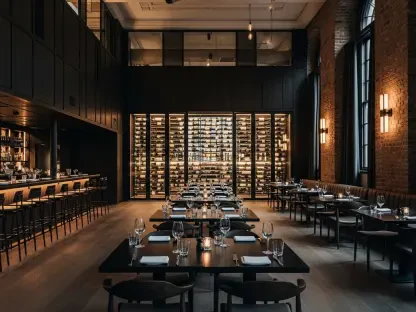
The physical environment of Delos avoids the typical thematic tropes of blue and white decor in favor of a more sculptural and interpretive aesthetic. The interior design serves as a “contemporary ode to abundance,” utilizing architectural elements that reference Greek history without descending into caricature. Cycladic arches and modern mosaic patterns are integrated into a clean, minimalist layout that feels both ancient and futuristic. One of the most striking features is a living moss wall, which brings a sense of organic vitality into the structured urban environment of Midtown. This design choice reflects the communal and expressive nature of Greek culture, creating a space that feels celebratory yet refined. The lighting is carefully calibrated to transition from the bright, intellectual clarity of a midday meal to the intimate, resonant atmosphere of a dinner service. Every material choice, from the stone surfaces to the soft textiles, is intended to evoke the tactile qualities of the Mediterranean landscape.
Spatial planning within the venue emphasizes the ritualistic nature of gathering, with seating arrangements that encourage conversation and shared experiences. This architectural strategy mirrors the Greek Orthodox traditions of community and hospitality, where the layout of a space dictates the flow of human interaction. The restaurant successfully bridges the gap between the fast-paced life of the Theater District and the slow, deliberate pace of traditional Mediterranean life. By moving away from the “taverna” concept, the design team has created a structured environment that honors the past while firmly embracing a modern identity. The result is a venue that functions as a piece of performance art in itself, where the guest is both an observer and a participant in a cultural narrative. This sophisticated environment provides the perfect stage for Chef Parikos’s culinary creations, ensuring that the visual and gastronomic elements of the experience are in constant harmony. The meticulous attention to detail in the design ensures that every visit feels like a significant event.
The establishment of this culinary destination provided a definitive blueprint for how heritage-based businesses could thrive by prioritizing intellectual depth over superficial trends. By integrating technical precision with a sacred sense of hospitality, the leadership team successfully demonstrated that traditional concepts remained vital in a competitive global market. Moving forward, the industry should look toward this model of “liquid seminars” and “interpretive design” as a way to engage a more educated and discerning clientele. The success of the wine program’s pricing strategy indicated a clear demand for accessible luxury that did not compromise on quality or regional authenticity. Future ventures within the hospitality sector would benefit from adopting a similar focus on educational engagement, transforming the dining room into a space for cultural exchange rather than just consumption. This approach ensured that the legacy of the Mediterranean was preserved not as a museum piece, but as a living, breathing part of the modern urban experience.