
The culinary landscape of Chicago has long been defined by its formidable appetite for iconic dishes, a reputation that has repeatedly drawn Guy Fieri and his team to its diverse neighborhoods, creating an invaluable roadmap for food enthusiasts across the nation. This curated exploration ventures beyond a simple list, delving into the stories behind the 16 most enduring and exceptional establishments featured on “Diners, Drive-Ins and Dives.” To assemble this guide, every Chicago location visited by Fieri was identified, with those that have since closed their doors being respectfully set aside. The remaining contenders were then meticulously evaluated, weighing Fieri’s on-air enthusiasm against a crucial modern metric: the consistent praise found in current customer reviews. This dual-filter approach ensures that each restaurant not only captured a moment of television magic but has also maintained a standard of excellence that continues to delight diners today. The resulting collection reveals a vibrant tapestry of culinary themes, from the innovative spirit of cultural fusion and the heartwarming tradition of multi-generational family businesses to the artful elevation of classic American comfort food, painting a comprehensive picture of what makes Chicago’s food scene truly world-class.
Culinary Fusions and Global Flavors
Asian-Inspired Innovations
In the northern enclave of Lincoln Park, Del Seoul stands as a testament to the power of family and fresh ingredients, specializing in Korean street food that pushes creative boundaries. During a visit with fellow chef Rocco DiSpirito, Guy Fieri explored a menu where everything is made from scratch, a commitment that shines through in every dish. While DiSpirito was particularly captivated by the signature K-town Chicken Wings, the restaurant’s broader appeal lies in its masterful fusion concepts, such as Korean-Mexican tacos and Korean-Vietnamese banh mi sandwiches, which offer a complex yet harmonious blend of distinct culinary traditions. Further down North Clark Street, BITES Asian Kitchen presents a different but equally compelling approach to fusion, weaving together Japanese, Chinese, and Thai flavors into a cohesive and sophisticated world cuisine. Fieri’s experience there centered on the chashu pork buns, a seemingly simple dish that achieved perfection through its tender, slow-braised pork and perfectly balanced Japanese daikon sauce served on a pillowy steamed bun. The impact of this dish was profound, rendering the typically verbose host nearly speechless—a rare and powerful endorsement of its mouthwatering quality and the kitchen’s culinary prowess.
The city’s reputation as a cultural melting pot is brilliantly expressed at Saucy Porka, a venture by chef Amy Le that creates a distinctive marriage of Asian and Latin flavors. When Fieri visited, Le articulated a philosophy that goes far beyond superficial combinations, emphasizing her goal to genuinely intertwine the core spices and cooking methods of both cuisines. This thoughtful approach was evident in the Asian paella with pork, a dish that Fieri tasted and celebrated for its successful fusion. Years later, patrons continue to praise its well-balanced spice profile, which manages to be both bold and nuanced, allowing each individual ingredient to contribute to the greater whole. A similar story of personal culinary history unfolds at bopNgrill, where chef Will Song translates his upbringing into a menu that expertly combines the Korean dishes he grew up eating at home with the American staples he enjoyed at school. The restaurant’s unpretentious focus on crafting “pure flavor bombs” caught Fieri’s attention, particularly a creation then known as the Umami Burger. Now renamed the Duxelle Burger, its rich, deeply savory profile prompted Fieri to make a bold declaration on air, ranking it among the absolute best burgers he had ever consumed in his extensive travels.
Latin and Caribbean Classics
Tucked away in the vibrant Bucktown neighborhood, Irazú has served as a cherished culinary portal to Costa Rica since its opening in 1990. For over three decades, this family-owned and operated establishment, helmed by the Cerdas-Salazar family, has offered Chicagoans an authentic taste of “Pura Vida.” When Guy Fieri stopped by in 2011, he was introduced to their definitive take on chifrijo, a classic and hearty Costa Rican comfort dish. This satisfying combination of rice, beans, and crispy chicharrón, all garnished with fresh pico de gallo, creamy avocado, and a dash of tangy Lizano sauce, had a truly transportive effect. The symphony of textures and flavors was so authentic and evocative that Fieri famously exclaimed, “Look at those flavors. I don’t need to go anywhere. I’m in Costa Rica right now.” This powerful endorsement captures the essence of Irazú, a restaurant that does more than just serve food; it offers a genuine cultural experience, a warm and welcoming slice of Central America in the heart of the Midwest, which has solidified its status as a beloved local institution.
Providing a delicious and welcome respite from Chicago’s notoriously harsh winters, Garifuna Flava delivers the warm, soulful flavors of authentic Caribbean and Belizean cuisine. This family-owned joint became a must-visit destination after Fieri’s 2011 feature, where he was visibly impressed by the rich and complex character of the handmade fish panades. These empanada-style pastries, filled with savory, perfectly seasoned fish, captured the comforting and delicious nature of the region’s food. While savoring the dish, Fieri eloquently described the experience, noting its “very smooth texture, a little sweet, nice and tender. A little bite of heaven.” His words perfectly encapsulated the satisfying and heartwarming quality that the restaurant consistently delivers. Garifuna Flava is more than just a place to eat; it’s a celebration of cultural heritage, where time-honored recipes are prepared with care and pride, offering every customer a taste of sunshine and a genuine connection to the vibrant culinary traditions of Belize. The continued popularity of the restaurant speaks to its ability to provide not just a meal, but a memorable and flavorful escape.
European Traditions with a Chicago Twist
Italian Institutions
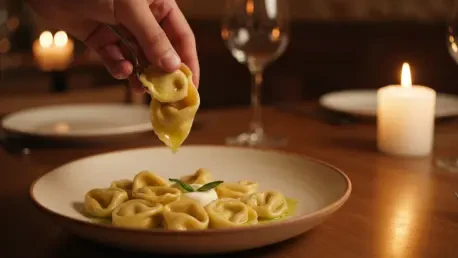
In the lively Edgewater neighborhood, Sfera Sicilian Street Food is brilliantly reimagining traditional island cuisine by infusing it with a distinctive Chicago-style sensibility. During a recent visit accompanied by Food Network chef Joe “Mustache Joe” Sasto, Guy Fieri delved into the restaurant’s specialty: arancini. Their version, the arancini classico, features an innovative twist that Sasto identified as the “secret” to its exceptional texture—the incorporation of béchamel as a creamy base. This small but significant addition elevates the dish from great to extraordinary, a sentiment Fieri echoed when he declared it one of the finest arancini he had ever tasted. Meanwhile, in Wicker Park, Tortello has established itself as a cherished community focal point since its founding in 2019 by husband-and-wife team Dario Monni and Jill Gray. The menu is deeply personal, drawing on authentic recipes from Monni’s upbringing in Venice and Sardinia. When Fieri sampled the namesake handmade tortelli di burrata, he experienced pasta in its purest form. Crafted from just a few high-quality ingredients—flour, eggs, and luscious burrata—the dish delivered an honest and profoundly flavorful experience that left him remarking, “Outstanding… Less than ten ingredients, it tastes like a million bucks… gosh, that’s good!”
Chicago’s rich Italian-American heritage is proudly upheld by Tufano’s Vernon Park Tap, a true local institution that has been serving the city since 1930 and is now operated by the fourth generation of the founding DiBuono family. Fieri was so captivated during his initial 2009 visit that he made a special trip back in 2021 for a “Triple D Nation” follow-up, a rare honor that speaks to the restaurant’s enduring appeal. This second visit shone a spotlight on a deceptively simple yet iconic dish: the signature fried calamari. Available either fried or grilled, it remains a consistent customer favorite, with diners passionately swearing it is some of the best calamari they have ever eaten. On the South Side, The Original Vito & Nick’s Pizzeria stands as another pillar of Chicago’s culinary history. With roots stretching back to 1923, the pizzeria began serving its unique pies in 1946 and quickly became a city staple. When Fieri visited in 2009, he discovered a fascinating anomaly in a city famous for deep dish: a steadfast devotion to cracker-thin crust. This distinction has helped the pizzeria carve out a unique identity, but Fieri was also intrigued by their even more unusual offering of pizza topped with eggs. After trying it, he proclaimed that for anyone not typically a fan of eggs, the only way to eat them is “on a pizza with thin crust from Vito and Nick’s.”
Northern and Western European Fare
Hopleaf Bar, an establishment with a rich history that includes transformations from a liquor store to a simple taproom, was completely revamped in 1992 by its current owners into a premier culinary destination with a Belgian-inspired focus. The philosophy at Hopleaf emphasizes the use of sustainable, local, and seasonal ingredients, a commitment that extends to their practice of whole-animal butchery. This approach allows the kitchen to create its own exceptional sausages and charcuterie in-house, ensuring quality and minimizing waste. When Guy Fieri visited in 2012, he was so profoundly impressed by the signature mussels that Food Network later highlighted the dish as one of the top spots from his Chicago travels. This high praise is consistently reinforced by customer reviews, with one Yelp user offering a definitive and widely shared sentiment: “The best mussels and broth in Chicago. Period.” Hopleaf’s evolution showcases how a neighborhood bar can become a serious dining institution through a dedicated focus on quality, technique, and a strong culinary point of view.
For those seeking an authentic taste of Scandinavia, Tre Kronor offers a literal smorgasbord of dining options, featuring a menu replete with traditional Swedish, Danish, and Norwegian dishes. Owned and operated by chefs with deep, personal roots in the region’s cuisine, the restaurant serves timeless classics like pickled herring and hosts seasonal smorgasbords that draw crowds eager for a genuine Nordic feast. During his 2009 visit, Guy Fieri opted for perhaps the most iconic Scandinavian dish of all: Swedish meatballs. The plate, served classically with a rich gravy, tangy lingonberry sauce, and creamy mashed potatoes, completely won him over. He was so taken with the dish’s comforting and authentic flavor that he enthusiastically recommended it as the perfect and most accessible introduction to the cuisine for any newcomers. His endorsement solidified Tre Kronor’s reputation not just as a restaurant, but as a cultural ambassador, providing a delicious and welcoming entry point into the rich and diverse culinary traditions of Northern Europe.
All-American Icons Reimagined
Burger Masters
Kuma’s Corner presents a truly unique intersection of culinary artistry and cultural identity, operating as a burger joint renowned for its extreme creations, each named in tribute to a heavy metal band. With flavors as bold and uncompromising as its musical theme, the restaurant has cultivated an immense following since its 2005 opening, leading to its expansion to multiple locations. When Guy Fieri visited the original Avondale spot in 2009, he was immediately captivated by the kitchen’s audacious use of unconventional burger toppings, such as poached pear and creamy brie, which challenged the very definition of what a burger could be. The dish that particularly caught his attention, however, was the Black Sabbath burger. Topped with a hearty portion of chili, melted cheese, and fresh onion, it was a beast of a meal that he praised as a “wholesome, all-American, great burger.” His assessment captured the essence of Kuma’s Corner: a place that, despite its rebellious exterior and innovative spirit, remains deeply rooted in the satisfying, foundational principles of a truly great American classic.
Since opening its doors in 2009, DMK Burger Bar has consistently garnered national accolades, including a coveted spot on a list of the best burger restaurants in the U.S. by Fox News, cementing its reputation as an establishment dedicated to perfecting the craft of the burger. Guy Fieri’s 2011 visit showcased the restaurant’s commitment to creative excellence, where he was impressed by a particularly unique and inventive creation: a bison burger served with tangy goat cheese and a sweet-and-savory blueberry barbecue sauce. While the combination of gamey bison, sharp cheese, and fruity sauce might sound unconventional on paper, both Fieri’s on-air reaction and a legion of subsequent customer reviews confirm its deliciousness. One diner perfectly captured the common experience, noting how surprisingly well the distinct flavors worked together to create a harmonious and unforgettable bite. DMK Burger Bar exemplifies the art of reimagining an American icon, proving that with high-quality ingredients and a fearless approach to flavor pairing, even the most familiar dish can be transformed into something entirely new and exciting.
A Culinary Retrospective
The culinary tour of Chicago’s most celebrated spots revealed a city whose gastronomic identity was built on much more than deep-dish pizza and Italian beef. The journey through these 16 establishments painted a portrait of innovation, tradition, and community. From the meticulous fusion of Asian and Latin flavors at Saucy Porka to the transportive Costa Rican classics at Irazú, it became clear that the city’s strength lay in its diversity. The investigation uncovered how multi-generational family businesses like Tufano’s Vernon Park Tap have not only preserved their heritage but have also become unshakable cornerstones of their neighborhoods. Simultaneously, modern visionaries at places like Kuma’s Corner and DMK Burger Bar demonstrated a fearless creativity, deconstructing and reimagining American staples with an artist’s touch. Each kitchen, whether serving handmade pasta or a heavy-metal-inspired burger, contributed a unique narrative to the city’s larger culinary story, a story of resilience, passion, and an unwavering commitment to exceptional food.