
The transformation of a simple dough ball into a high-performance culinary asset is currently reshaping the competitive landscape of the global pizza market. While traditionalists often focus on the purity of the ferment, the modern foodservice environment demands a sophisticated balance between artisanal integrity and industrial efficiency. At the International Pizza Expo in Las Vegas, the conversation has moved beyond mere ingredients toward a radical reimagining of how pizza is manufactured, distributed, and served. Rich Products is leading this charge, signaling a departure from the role of a silent flour supplier to that of a visible, strategic architect for the modern kitchen.
This shift is not merely a change in branding but a fundamental reorganization of the supply chain. For years, operators faced the daunting task of piecing together menus from a dozen different vendors, often struggling with consistency and rising overhead. By consolidating expertise and resources, the industry is seeing the rise of a unified model that handles everything from the molecular level of yeast development to the aesthetic appeal of a finished, boxed product. This evolution marks a critical turning point where the complexity of the back-of-house is replaced by streamlined, intelligent systems designed to thrive in a high-pressure economy.
The Shift: From Ingredient Supplier to Comprehensive Pizza Architect
The era when a pizzeria could survive by simply ordering a bag of flour or a standardized dough ball has officially transitioned into a more complex partnership-driven age. Modern operators are no longer looking for raw materials alone; they are seeking an ecosystem that ensures every crust coming out of the oven meets a specific gold standard. This transition toward being a “full-solutions” partner allows companies like Rich’s to manage the entire lifecycle of the pizza, ensuring that the artisanal quality once reserved for boutique shops is now achievable at a massive, global scale.
By controlling the process from initial fermentation through to the final topping, the provider effectively removes the burden of technical mastery from the frontline kitchen staff. This model addresses a persistent question in the industry: how can a brand maintain its soul while expanding across hundreds of locations? The answer lies in the engineering of the dough itself, which acts as a reliable foundation that performs consistently regardless of the humidity, altitude, or the experience level of the person operating the oven.
Why the Full-Solutions Model: The Future of Foodservice
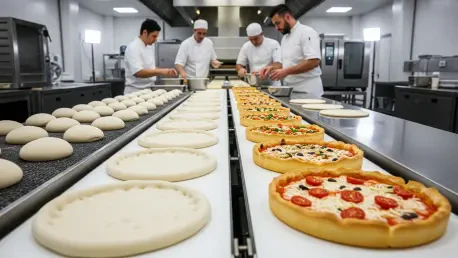
The current pizza landscape is caught in a difficult squeeze between a consumer base that demands premium, Instagram-ready quality and a labor market that is increasingly thin. Strategic moves, such as the acquisition of Great Kitchens Food Company and the Uno Foods brand, represent a calculated response to these dual pressures. This merger has allowed for a singular, vertical supply chain capable of producing raw dough, parbaked crusts, and fully topped, oven-ready pizzas within the same organizational framework.
For the restaurant manager, this integration translates into a dramatic reduction in vendor complexity and a significant boost in operational reliability. Instead of managing multiple relationships and navigating the logistical nightmares of mismatched deliveries, operators can source a diverse menu from a single, trusted origin. This approach minimizes the margin for error, ensuring that whether a customer orders a thin-crust specialty or a heavy deep-dish, the experience remains identical every single time, strengthening brand loyalty in a crowded market.
Functional Innovation: The Rise of Protein-Forward Menus
Innovation in the current market is being driven by “functional” benefits—crusts that do more than just hold toppings. The introduction of protein-powered pizza dough serves as a direct answer to the growing “health-conscious comfort” trend. Modern diners are looking for ways to indulge in their favorite foods while meeting specific nutritional goals, and by embedding protein directly into the dough’s matrix, pizzerias can offer a healthier alternative that does not sacrifice the gluten-driven chew and char that defines a great pizza.
Furthermore, the expansion into specialized formats like Chicago-style deep-dish and portable, handheld options caters to the evolving lifestyle of the “on-the-go” consumer. These products are not just food; they are engineered solutions for high-volume environments like airports, stadiums, and convenience stores. By providing turnkey products that require minimal preparation, the industry is making it possible to serve high-end, heavy-duty meals in locations that traditionally lacked the equipment or the time to produce them from scratch.
Data-Driven Growth: 80 Years of Market Intelligence
With a global presence across 100 locations and annual sales reaching $5.8 billion, Rich’s utilizes a vast repository of consumer data to guide its research and development. This scale provides a unique vantage point, allowing the company to identify emerging flavor profiles and dietary shifts before they become mainstream. It is no longer enough to rely on gut feeling; modern food production is a science that blends nearly a century of baking heritage with real-time analytics to determine what the next big consumer craving will be.
This level of intelligence provides a safety net for independent pizzerias and large-scale retailers alike. By following the blueprints provided by a legacy brand that has successfully navigated decades of technological changes, smaller operators can stay competitive against massive chains. The ability to pivot based on data ensures that product offerings remain relevant, whether the market is shifting toward plant-based alternatives, gluten-free requirements, or a resurgence in traditional, heavy-crust styles.
Practical Strategies: Streamlining Kitchen Operations
To remain profitable in a high-cost environment, operators must identify the specific level of preparation that aligns with their labor constraints. The industry now offers a spectrum of readiness, ranging from traditional raw dough balls for those who want to maintain the “theater” of the kitchen, to fully topped, oven-ready pizzas for environments where speed is the only metric that matters. This flexibility allows a business to scale its menu up or down without needing to hire specialized chefs or invest in expensive new machinery.
Integrating these “finished” solutions into a standard workflow drastically reduces prep time and ingredient waste, which are two of the biggest drains on a restaurant’s bottom line. By adopting these turnkey strategies, managers were able to shift their focus from the manufacturing challenges of the back-of-house to the actual customer experience in the front-of-house. Moving forward, the most successful businesses were those that embraced these streamlined operations, ensuring that the final product remained premium while the path to the plate became shorter and more efficient than ever before.