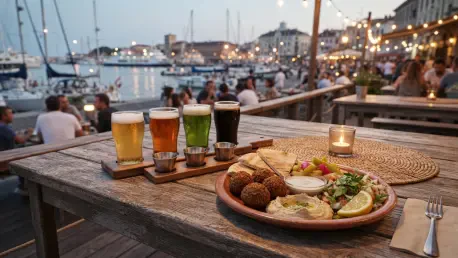

Matt Johnson’s curated drinks list emphasizes homegrown excellence by featuring a selection of spirits and beers produced exclusively within the Australian market. This strategy includes a strong focus on craft breweries such as Young Henrys and Mountain Culture, alongside nostalgic cocktails inspired by local icons like the Weis Bar and the lamington. This shift in the beverage program reflects a broader transformation of the Opera Bar, which recently transitioned to new management under Applejack Hospitality. After more than two decades of stewardship by the Solotel group, the venue has embarked on a bold journey to redefine what a landmark destination should offer in the current landscape. This evolution is not merely a change in branding but a fundamental reimagining of the site’s relationship with the local community. By moving away from tourist-centric models, the bar now prioritizes a sophisticated blend of hospitality and grassroots Sydney culture for all visitors.
Architectural Transformation: A Harmonious Design
The physical environment of the venue has undergone a significant overhaul led by the acclaimed design studio Luchetti Krelle. The previous aesthetic, which leaned on nautical themes, has been replaced by a palette of deep greens and natural textures. This choice was made to create a seamless visual dialogue with the surrounding Sydney Opera House and the lush botanical surroundings. The installation of bespoke furniture and updated structural elements provides a more inviting atmosphere for both casual visitors and refined diners.
Complementing this refresh is a commitment to modern operational efficiency. The facility now features an all-electric kitchen, moving away from gas-reliant systems to align with sustainability standards. This technical upgrade was essential for supporting the culinary program while minimizing the environmental footprint of such a high-volume venue. The redesigned terrace and internal bars allow for fluid movement, effectively balancing the energy of the harbor with a sophisticated intimacy.
Culinary Innovation: Sydney on a Plate
Under the direction of Patrick Friesen and Daniel Cooper, the culinary program has moved toward a concept that celebrates the diversity of Sydney’s suburbs. Instead of standard fare, guests find items like mozzarella from Auburn and falafel honoring Bondi’s traditions. This inclusive approach effectively bridges the gap between travelers and residents, turning the venue into a representation of the city’s flavors. By integrating these regional influences, the bar has established itself as an authentic cultural hub rather than just a sightseeing stop.
This shift highlights a broader movement toward hyper-local sourcing in the hospitality industry. The “market kitchen” serves as a tribute to the multicultural fabric of the city, sourcing items from neighborhood specialists. This diverse offering spans four distinct sections, including Asian and Middle Eastern-inspired plates and contemporary Australian staples that resonate with the modern palate. These choices created a dining experience that felt both globally relevant and local.
Long-Term Vision: Sustaining the Cultural Landmark
The project concluded with a robust integration of live arts and community engagement. Through a partnership with Arts Matter, the management established a schedule of nightly music and sculpture exhibitions, such as those by Tan Alridge, that transformed the space into a dynamic cultural extension of the landmark. Moving forward, the focus shifted to maintaining this synergy between high art and leisure. These strategic steps ensured that the venue remained a vital part of the harbor’s identity.
The team prioritized cultural sustainability by fostering local talent to ensure the space remained a welcoming and inclusive environment for the city’s diverse residents. By focusing on these actionable next steps, the organizers aimed to strengthen the connection between the iconic landmark and the surrounding urban community. This transition set a new standard for how public spaces could evolve to meet the changing needs of a global city while remaining deeply rooted in local traditions.