
While the typical fast-casual landscape is often saturated with cold salads and repetitive deli wraps, the modern diner increasingly seeks a meal that provides thermal comfort without the nutritional compromise of traditional fast food. Chopped Leaf has stepped into this niche by launching a series of Warm Bowls, a strategic move that aims to transform the perception of “healthy” from merely functional to genuinely indulgent. This review examines how these offerings serve as a bridge between high-quality nutrition and the hearty satisfaction usually reserved for home-cooked dinners.
Expanding the menu beyond greens and cold grains addresses a critical demand for variety in the premium quick-service sector. By introducing globally inspired flavor profiles, the brand attempts to satisfy an adventurous palate while maintaining its core identity of freshness. The central question remains whether these premium bowls can justify their price point by offering a depth of flavor and satiety that surpasses standard salad alternatives.
Objective of the Review: Evaluating the New Comfort Food Alternative
The primary goal of this assessment involves determining if the Warm Bowls can effectively compete with traditional comfort foods while retaining a health-forward edge. Many consumers find that standard salads fail to provide lasting energy or emotional satisfaction during colder months. These new recipes are designed to fill that void, blending nutrient density with the warmth and texture of cooked components.
Furthermore, the review explores how Chopped Leaf positions itself within a competitive market by utilizing international spices. As diners become more sophisticated, simple vinaigrettes are no longer sufficient to maintain interest. The investment in these bowls is evaluated not just on taste, but on their ability to offer a superior value proposition through sophisticated culinary techniques and substantial portioning.
Product Overview: The Anatomy of Chopped Leaf’s Globally Inspired Bowls
The foundation of each bowl relies on seasoned brown basmati rice, chosen specifically for its light texture and ability to absorb complex sauces without becoming mushy. This base is paired with roasted vegetables, a process that caramelizes natural sugars and adds a smoky dimension to the meal. This combination ensures that every bite provides a balance of fiber and complex carbohydrates.
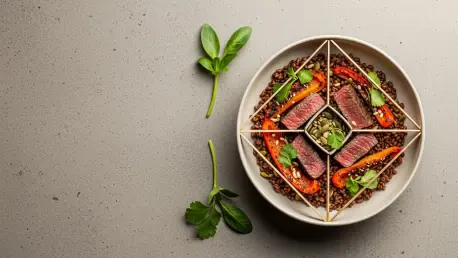
Three signature recipes lead the rollout: the Lotus Bowl, the Bistro Bowl, and the Autumn Bowl. The Lotus Bowl leans into Asian influences with a Thai green coconut curry and grilled chicken, while the Bistro Bowl offers a Western profile featuring sirloin steak and pesto. The Autumn Bowl captures seasonal vibes with a curried butternut squash sauce. This variety ensures that the menu appeals to different dietary preferences and flavor cravings.
Strategic placement in Ontario and Nova Scotia suggests a calculated effort to capture markets with a known affinity for diverse cuisine. By targeting both lunch and dinner crowds, the brand utilizes “crave-worthy” elements like creamy garlic sauces and crunchy peanuts to move beyond the “diet food” stereotype. This positioning allows the chain to compete directly with full-service restaurants.
Performance Assessment: Evaluating Flavor, Freshness, and Fulfillment
A critical factor in the success of a warm grain bowl is the sauce-to-base ratio. In these offerings, the sauces are thick enough to coat the rice and protein evenly without pooling at the bottom. The warmth of the dish enhances the aromatic qualities of the Thai curry and the garlic pesto, creating a sensory experience that cold salads simply cannot replicate. This “warmth factor” significantly elevates the dining experience toward something more substantial.
The quality of the ingredients remains high across the board, with the sirloin steak in the Bistro Bowl standing out for its tenderness. Roasted vegetables retain a slight bite, avoiding the overcooked texture often found in steam-table environments. Moreover, these bowls demonstrate remarkable resilience during transit, making them an excellent choice for delivery or takeout where traditional greens might wilt.
Consistency is maintained through careful layering, which ensures the visual appeal is preserved from the kitchen to the table. Even in a high-volume fast-casual setting, the execution of these complex flavor profiles remains impressively precise. The portion sizes are generous enough to serve as a complete dinner, providing a sense of fulfillment that justifies the premium positioning.
The Balanced Perspective: Key Strengths and Potential Drawbacks
The most significant advantage of this menu expansion is the sheer nutrient density provided in every serving. Diners receive a balanced intake of lean proteins, healthy fats from seeds and nuts, and high-fiber grains. This diversity of ingredients caters to those who want to explore international tastes without the heavy sodium or processed additives common in other fast-food chains.
However, some limitations exist, primarily regarding regional availability. Since the rollout is currently focused on specific hubs in Ontario and Nova Scotia, many loyal customers elsewhere cannot yet access these options. Additionally, while the flavors are bold, diners with strict nut allergies or those monitoring sodium intake may find fewer options, as the pre-set recipes rely heavily on these elements for texture and depth.
Final Verdict: Are the Warm Bowls Worth the Try?
The flavor innovations presented here successfully distinguish the brand from its competitors by offering a more culinary-focused approach to quick service. The integration of roasted components and international sauces provides a sophisticated profile that is rare in the segment. For anyone looking for a wholesome alternative that does not feel like a sacrifice, these bowls represent a significant step forward.
The price-to-quality ratio is favorable when considering the premium proteins and the complexity of the sauces used. While they cost more than a basic side salad, the satiety and nutritional profile make them a worthwhile investment for a main meal. These bowls prove that convenience and health can coexist in a way that is genuinely enjoyable.
Conclusion: Who Should Choose the Warm Bowl Experience?
Busy professionals and health-conscious families who required a quick yet nourishing dinner solution found that these bowls filled a significant gap in their daily routines. The move toward non-processed, whole-food ingredients offered a reliable way to maintain dietary goals without spending hours on meal preparation. This evolution indicated that the brand successfully anticipated a shift toward more indulgent, “comfort-style” healthy eating.
Looking ahead, the success of such menu items suggested that future expansions might include even more regional spice profiles or plant-based protein alternatives to accommodate a wider demographic. The integration of seasonal ingredients like butternut squash pointed toward a flexible menu strategy that could adapt to changing consumer moods throughout the year. Ultimately, the transition from cold greens to warm, complex grains marked a significant milestone in the maturity of the fast-casual dining experience.