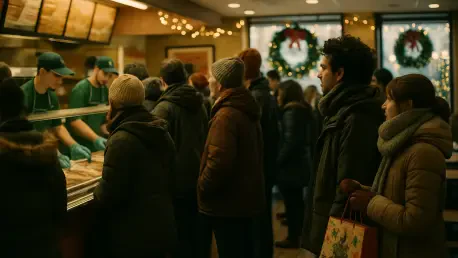

Imagine walking into a Subway during the holiday rush, the smell of freshly baked bread in the air, and knowing that your next footlong could be on the house. That’s the buzz surrounding the return of Subway’s iconic Sub Club loyalty program, reimagined for today’s sandwich lovers with free footlongs and jaw-dropping prizes. This roundup dives into diverse perspectives from industry insiders, loyal customers, and marketing analysts to uncover what this relaunch means for Subway and its fans. The purpose here is to explore not just the mechanics of the program but also its emotional pull, strategic impact, and potential pitfalls in a competitive fast-food landscape.
Unpacking the Hype Around Sub Club’s Comeback
The revival of Sub Club, a loyalty program that pioneered customer rewards decades ago, has sparked excitement for its blend of nostalgia and modern perks. Many longtime fans, as gathered from social media chatter, feel a rush of sentimentality, reminiscing about collecting stamps for free subs. Their consensus leans toward appreciation for Subway bringing back a piece of history while offering every fourth footlong free after just three purchases—a deal seen as generous in an era of rising food costs.
However, not all reactions are purely celebratory. Some marketing professionals argue that while the nostalgia factor is a clever hook, the true test lies in sustaining engagement beyond the initial hype. They point out that fast-food loyalty programs often struggle with retention if rewards feel repetitive or unattainable. This relaunch, with its streamlined reward structure, might counter that trend, but only time will tell if it keeps customers coming back for more than just a free sandwich.
Diving into Reward Mechanics: What Experts and Users Think
Free Footlongs: A Game-Changer or a Gimmick?
The core of Sub Club’s appeal is its promise of a free footlong after three purchases, a structure that many customers find refreshingly straightforward. Online forums reveal a wave of positive feedback from regular Subway-goers who value the reduced effort compared to other programs requiring endless points for minimal payoff. This simplicity resonates as a direct answer to consumer frustration with overly complex reward systems.
In contrast, a few industry watchers express mild skepticism about the program’s limitations, such as exclusions for catering or third-party delivery orders. They suggest that while the deal is attractive for in-store or app-based buyers, it might alienate segments like office managers or delivery-dependent customers. This split in opinion highlights a broader debate on whether loyalty programs should prioritize universal access or focus on core user habits.
A balancing perspective comes from casual diners who’ve shared app-based experiences, noting that despite restrictions, the ease of tracking purchases digitally makes the reward feel within reach. Their input suggests that Subway might mitigate criticism by emphasizing in-app convenience over broad eligibility, though it raises questions about inclusivity for less tech-savvy users.
Points and Perks: Nostalgia Meets Modern Convenience
Beyond free sandwiches, Sub Club offers points convertible to Subway Cash and perks like birthday cookies, blending old-school charm with fresh incentives. Customer reviews often highlight these extras as delightful touches that elevate the program beyond mere transactions. Many appreciate how these small gestures echo the personal feel of the original Sub Club while fitting seamlessly into today’s app-driven world.
Marketing analysts, however, caution against over-reliance on digital platforms. They argue that while the app streamlines point tracking and sign-ups, it risks sidelining older or less tech-inclined customers who might struggle with the interface. This concern points to a potential gap in Subway’s strategy, where balancing digital innovation with in-store accessibility could be key to wider adoption.
Feedback from in-store staff, as shared in industry blogs, adds another layer, revealing that manual sign-ups still cater to those hesitant about apps. Yet, there’s a lingering worry that inconsistent experiences between tech and traditional methods might confuse participants. This mix of views underscores the challenge of merging nostalgia with modern demands without leaving anyone behind.
Holiday Sweepstakes: Excitement or Empty Promise?
The “Sub Club Breadwinner Sweepstakes,” offering a shot at $10,000 cash or a commercial-grade bread oven, has ignited holiday excitement. Social media reactions from members show a thrill for the gamified element, with many eager to redeem their first free footlong by the December 10 deadline to enter. The prize diversity—cash for practical needs or an oven for culinary enthusiasts—earns praise for appealing to varied interests.
On the flip side, some industry observers question the impact of sweepstakes on long-term loyalty. They argue that while high-stakes prizes create buzz, they might not foster sustained engagement if winners are few and far between. This skepticism contrasts with customer optimism, revealing a divide on whether such promotions are genuine value-adds or mere marketing ploys.
A middle ground emerges from loyalty program consultants who suggest that sweepstakes, when paired with consistent rewards like free footlongs, can deepen emotional ties to a brand. Their take is that Subway’s holiday gamble could set a trend for gamification in fast-food loyalty, provided it’s backed by transparent odds and meaningful participation. This debate keeps the conversation alive on how far excitement can carry a program’s success.
How Sub Club Stacks Up Against the Competition
When compared to other fast-food loyalty programs, Sub Club’s relaunch garners mixed reviews. Some analysts commend Subway for setting a potential benchmark with its low barrier to rewards, contrasting it with competitors whose point systems often feel labyrinthine. This advantage, they argue, positions Subway as a leader in prioritizing customer ease over convoluted earning structures.
Others, though, note that rivals with broader reward scopes—think free drinks, sides, or delivery perks—might outshine Sub Club’s sandwich-focused benefits. Customer opinions echo this, with some wishing for more variety in redeemable items beyond footlongs or Subway Cash. This comparison suggests that while Subway excels in simplicity, it might need to diversify offerings to match the versatility of industry giants.
A final insight from trend reports hints at Sub Club’s potential to evolve with emerging tech like AI-driven personalization. If Subway leans into tailoring rewards based on individual habits, as some experts advocate, it could leapfrog competitors. This forward-looking angle keeps the discussion dynamic, weighing immediate strengths against future possibilities in a crowded market.
Reflecting on a Loyalty Milestone
Looking back, the discourse around Subway’s Sub Club revival painted a vivid picture of a brand balancing heritage with innovation. The roundup of voices—from enthusiastic customers to cautious analysts—revealed a shared recognition of the program’s value-driven core, tempered by valid concerns over accessibility and long-term appeal. For those intrigued by this loyalty resurgence, the next step was to dive deeper into Subway’s app or in-store options to experience the rewards firsthand. Exploring similar programs across the fast-food spectrum also offered a chance to see how Subway’s strategy compared in action. This blend of immediate action and broader curiosity paved the way for a richer understanding of loyalty in today’s dining world.