
The relentless pace of digital transformation has turned the quick-service restaurant industry into a complex ecosystem of competing sales channels, from drive-thrus and kiosks to a myriad of third-party delivery apps. The Unified Commerce Platform represents a significant advancement in this sector, moving beyond simple transaction processing to become the central nervous system of modern restaurant operations. This review will explore the evolution from legacy point-of-sale (POS) systems, the key features of modern platforms, their performance metrics, and the impact on restaurant operations, using Jack in the Box’s recent modernization as a case study. The purpose of this review is to provide a thorough understanding of the technology, its current capabilities, and its potential for future development.
The Shift from Legacy POS to Unified Commerce
The emergence of unified commerce technology marks a fundamental departure from the traditional, siloed systems that once dominated the QSR landscape. For decades, restaurants operated with disparate technologies for each sales channel, resulting in fragmented data, inconsistent customer experiences, and operational inefficiencies. Unified commerce, in contrast, is built on the core principle of integrating every touchpoint into a single, seamless platform, creating a holistic view of the business.
This technological evolution was not a choice but a necessity, driven by profound shifts in consumer behavior. The rapid rise of digital ordering, the explosion of third-party delivery services, and the growing demand for data-driven personalization rendered legacy POS systems obsolete. These older systems were ill-equipped to handle the volume and complexity of multi-channel operations, creating a strategic imperative for brands to adopt a more cohesive and agile technological foundation to survive and thrive in a fast-paced environment.
A Deep Dive into Platform Architecture and Features
The Unified Data Backbone A Single Source of Truth
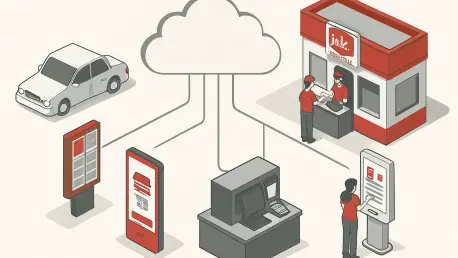
A primary feature of a unified commerce platform is its ability to create a single source of truth by consolidating all order channels. Whether a transaction originates from the drive-thru, an in-store kiosk, the front counter, a proprietary mobile app, or a third-party delivery aggregator, it flows into one cohesive system. This integration eliminates the data silos that plagued older architectures, ensuring that every piece of information is consistent and accessible across the entire organization.
The significance of this unified data backbone extends far beyond simple record-keeping. It streamlines kitchen workflows by providing a single, prioritized queue of orders from all sources. Moreover, it empowers both franchisees and corporate leadership with a clear, real-time view of sales trends, inventory levels, and overall performance. This consistency is crucial for accurate analytics, enabling smarter, data-informed decisions about menu engineering, marketing promotions, and labor management.
Cloud and Edge Enabled Architecture Ensuring Uptime
A critical technical component enabling this reliability is the hybrid “edge-enabled” cloud architecture. This model combines the power of centralized cloud computing for data aggregation and enterprise management with the resilience of edge computing at the individual restaurant level. The platform operates primarily from the cloud, but essential processing capabilities are also stored locally, or “on the edge,” within each restaurant.
This dual architecture is paramount for ensuring operational continuity, a non-negotiable requirement for high-volume QSRs. In the event of an internet or cloud service outage, the edge-enabled system can continue to process orders and payments locally without interruption. Once connectivity is restored, the local system seamlessly syncs its data back to the cloud. This functionality prevents the catastrophic revenue loss and customer frustration associated with system downtime, providing a stable foundation for daily operations.
Emerging Trends in QSR Technology Adoption
The QSR industry is witnessing a significant trend where technology investment is no longer a siloed IT project but a central pillar of broader corporate strategy. Forward-thinking chains are moving decisively away from outdated legacy systems that hinder agility and growth. This shift involves holistic platform modernization rather than incremental, piecemeal fixes, reflecting a deeper understanding that technology is a key enabler of long-term business resilience and competitive advantage.
Jack in the Box’s “Jack on Track” initiative serves as a prime example of this strategic alignment. The systemwide deployment of a new commerce platform was not merely a tech refresh; it was a foundational element of a corporate strategy designed to simplify operations, strengthen financial performance, and build a more agile enterprise. This approach illustrates an emerging best practice: integrating technological transformation directly with overarching business goals to drive meaningful and sustainable results.
Real World Impact The Jack in the Box Transformation
The real-world application of unified commerce is powerfully demonstrated by the Jack in the Box deployment. The project’s immense scope—migrating over 2,100 restaurants to a new platform in just 15 months—stands as one of the fastest and most extensive POS transformations in the industry. This rapid execution showcases the scalability of modern platforms and the potential for large enterprises to achieve significant technological change without prolonged disruption.
The benefits realized by Jack in the Box were both immediate and measurable. The new system, particularly with the integration of digital kiosks and automated upselling, contributed to higher check averages. Operationally, the intuitive user interface dramatically reduced employee training time from days to a few hours. Furthermore, the platform provided unprecedented real-time data visibility, empowering franchisees and corporate teams with the actionable insights needed to optimize performance and enhance profitability.
Overcoming Operational and Technological Hurdles
Modern unified platforms are designed specifically to solve the technical hurdles and market obstacles posed by legacy systems. For years, QSRs were constrained by “decades-old, slow” technology that acted as a significant operational drag. These systems were often unreliable, difficult to update, and incapable of integrating with the modern digital ecosystem, creating bottlenecks in service and preventing brands from innovating at the speed of the market.
The development of unified commerce directly mitigates these limitations. By replacing fragmented, on-premise hardware with a cloud-based, integrated architecture, these platforms drastically improve speed, reliability, and data accessibility. This move eliminates the technical debt accumulated over years of patching together disparate systems, providing a clean and powerful foundation that removes previous operational constraints and unlocks new opportunities for efficiency and growth.
The Future of QSR A Foundation for Innovation
A unified commerce platform should be viewed not as a final destination but as a foundational layer for future innovation. By centralizing data and streamlining operations, it creates the necessary stability and infrastructure to support next-generation technologies. Without this cohesive backbone, attempts to implement advanced tools like artificial intelligence or hyper-personalization are often inefficient and ineffective.
This foundation paves the way for a host of potential breakthroughs that will define the future of the QSR experience. These include AI-driven analytics to predict customer demand and optimize inventory, highly personalized digital ordering experiences based on past behavior, and the expanded use of intelligent self-service kiosks. For brands like Jack in the Box, this technological base is critical to achieving ambitious goals, such as growing digital sales to 20 percent of total business and continuously enhancing customer engagement in a competitive market.
Concluding Analysis The Strategic Value of Unified Commerce
The comprehensive rollout at Jack in the Box provided clear evidence of the transformative power of a modern unified commerce platform. The project demonstrated that a large-scale technological migration could be executed with remarkable speed, yielding immediate returns in financial performance, operational efficiency, and data-driven decision-making. The technology successfully addressed the critical need for reliability and integration that legacy systems failed to provide.
Ultimately, the strategic value of unified commerce was confirmed through its role as an enabler of both current stability and future innovation. The platform proved to be more than just a replacement for an outdated POS; it was a strategic investment that equipped the brand with the agility and foundational strength required to compete effectively. Its adoption represented a pivotal move, establishing the essential infrastructure needed for long-term growth and sustained relevance in an evolving QSR landscape.