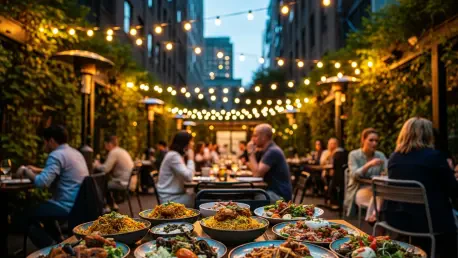

The Houston dining scene continues to demonstrate its remarkable resilience and creativity as the 2026 CultureMap Tastemaker Awards shine a spotlight on the establishments that anchor the city’s diverse communities. Unlike high-concept fine dining where exclusivity and advanced reservations are the norm, the “Neighborhood Restaurant of the Year” category honors the reliable spots that residents turn to for their daily meals and spontaneous celebrations. To qualify for this prestigious nomination, an establishment must prove its commitment to the local population through consistent operational standards, including being open at least six days a week for both lunch and dinner services. These restaurants prioritize accessibility, ensuring that a walk-in guest can find a table without the hurdle of a weeks-long waiting list. By focusing on affordability and a welcoming atmosphere, these nominees have become the literal and figurative heart of Houston’s culinary landscape, providing high-quality food that remains reachable for the average family or professional.
Defining the Modern Neighborhood Dining Experience
The current selection of nominees illustrates a significant shift in what defines a local dining spot, moving away from simple comfort foods toward a sophisticated integration of global palettes. No longer is a neighborhood restaurant expected to serve only standard American fare; instead, the 2026 list reflects Houston’s established status as a premier international food hub. Residents now find West African jollof rice, Indo-Pakistani goat chops, and authentic Mexico City mole within walking distance of their homes. This evolution proves that the local diner’s palate has become increasingly adventurous, seeking out complex spice profiles and traditional techniques in a casual setting. The integration of these diverse flavors into the daily lives of Houstonians demonstrates a unique cultural synthesis where global traditions are adapted to meet the local demand for comfort and reliability. Consequently, the distinction between “ethnic” food and “neighborhood” food has largely vanished, creating a more inclusive and vibrant dining culture across the city’s various districts.
Furthermore, the 2026 nominees highlight a narrowing gap between casual community dining and high-level culinary prestige, with many local spots earning national accolades. It is no longer unusual for a neighborhood favorite to carry a Michelin Bib Gourmand designation or a glowing review from major national newspapers. This elevation of status suggests that excellence in the kitchen is being recognized regardless of a restaurant’s price point or formal dress code. These establishments are also increasingly designed with families in mind, incorporating play areas or retro-arcade elements that allow parents to enjoy a high-quality meal while their children remain entertained. This commitment to family-centric design, combined with the offer of premium proteins like lamb shank or pork steak at sustainable prices, ensures that frequent dining remains a viable option for local residents. By balancing culinary ambition with practical community needs, these restaurants have successfully redefined the standards of excellence for the modern neighborhood eatery.
Leaders in High-Volume Excellence and Smoked Meats
Among the leading contenders for the title are institutions like Aga’s and Aladdin Mediterranean Cuisine, which have both perfected the challenging art of high-volume service. Aga’s, an Indo-Pakistani staple located in Southwest Houston, has seen its reputation grow from a local secret to a city-wide phenomenon, earning top rankings for its signature biryani and goat chops. Their recent expansion into the Katy area via a specialized to-go model highlights the increasing demand for their authentic flavors beyond their original footprint. Similarly, Aladdin Mediterranean Cuisine has utilized a efficient cafeteria-style model to provide customizable and affordable meals to the Montrose and Garden Oaks communities. By maintaining a focus on fresh ingredients and consistent preparation, Aladdin has built a loyal following that relies on the restaurant for healthy, everyday dining. Both establishments prove that serving a large number of guests does not require a compromise in food quality or the personal touch that defines a neighborhood favorite.
The barbecue segment in Houston is equally competitive this year, with Feges BBQ and Pinkerton’s Barbecue showcasing two distinct but highly effective approaches to smoked meats. Feges BBQ in Spring Branch has distinguished itself through its inclusivity, offering a robust menu of creative vegetable-forward sides that appeal to a wide range of dietary preferences. This approach, combined with a family-friendly environment that includes a dedicated play area, has made it a cornerstone of the suburban dining experience. On the other hand, Pinkerton’s Barbecue in the Heights continues to receive statewide honors while expanding its reach into more high-concept, retro-inspired spaces in Upper Kirby. While their methods differ, both restaurants have successfully moved barbecue away from being just a weekend treat to being a reliable neighborhood resource. They have managed to maintain the soul of traditional Texas barbecue while modernizing the dining experience to suit the needs of a diverse and busy urban population.
Innovative Flavors and Accessible Luxury
The ongoing evolution of the city’s food scene is prominently represented by establishments like ChòpnBlọk and Moon Rabbit, which bring contemporary West African and Vietnamese flavors to the forefront. ChòpnBlọk has garnered significant national acclaim for its community-rooted approach, effectively bringing West African cuisine into the mainstream spotlight through high-profile collaborations and a focus on storytelling. Their success demonstrates that there is a deep hunger for authentic cultural expression within the neighborhood dining framework. Meanwhile, Moon Rabbit offers a more sophisticated take on Vietnamese classics, blending traditional recipes with inventive culinary twists like bone marrow quiche. Supported by a strong cocktail program and a stylish interior, Moon Rabbit provides an elevated experience that still feels approachable for a Tuesday night dinner. These restaurants exemplify the creative energy of a younger generation of chefs who are committed to honoring their heritage while pushing the boundaries of what local dining can be.
Innovation in the 2026 landscape also extends to specialized concepts like sushi, which has been successfully adapted for the neighborhood crowd through establishments like Handies Douzo. By focusing on the precision of Japanese hand rolls and offering them in an approachable counter-service format, Handies Douzo makes luxury-grade sushi accessible for a fraction of the cost found at high-end omakase dens. This model allows diners to enjoy top-tier seafood in a fast-casual setting, proving that high culinary standards do not have to be tied to a formal environment or a high price tag. This trend toward “accessible luxury” is a defining characteristic of the current nominees, as they find ways to streamline service without sacrificing the quality of the ingredients. Whether through specialized menus or innovative service models, these restaurants are finding new ways to provide value to their patrons, ensuring that exceptional dining remains a part of the everyday neighborhood experience for all residents.
Honoring Tradition and Curated Atmospheres
Longevity and a distinct sense of place are also vital factors for the success of several nominees in the 2026 category, with North China serving as a prime example. For over four decades, this establishment has served West Houston by blending Chinese and Korean culinary traditions with a specific touch of Texas-inspired heat. This long-term commitment to the community has allowed it to become a multi-generational favorite, where the staff knows the regulars and the recipes remain consistent year after year. Similarly, Cuchara in the Montrose area has spent the last decade providing a vibrant and authentic Mexico City experience. With its popular patio and traditional dishes like mole negro, Cuchara has become a staple of the neighborhood’s social fabric, offering a curated atmosphere that transports diners to another city while remaining firmly rooted in Houston. These restaurants succeed by creating a sense of continuity and tradition that resonates deeply with the cultural identity of their local areas.
Newer additions to the scene, such as Nonno’s Family Pizza Tavern, have also quickly established themselves by leaning into a specific aesthetic and mastering a niche culinary style. Nonno’s has captured the attention of the Montrose community by combining a retro-arcade vibe with high-quality, crispy tavern-style pizza. This focus on creating a specific “vibe” allows the restaurant to stand out in a crowded market, providing an experience that is as much about the environment as it is about the food. By targeting both families and young professionals, Nonno’s has carved out a unique space where nostalgia meets modern culinary execution. These types of establishments prove that a successful neighborhood restaurant must offer more than just a meal; it must provide a space where people feel a sense of belonging. Whether through decades of service or a carefully crafted new concept, the nominees in this category all share a deep commitment to reflecting and enhancing the unique character of the neighborhoods they call home.
A Night of Celebration and Community Support
The final selection for the 2026 Neighborhood Restaurant of the Year was determined by a rigorous process that prioritized community impact and culinary consistency. All participants gathered at Silver Street Studios on April 16 to celebrate the achievements of these establishments, recognizing that each nominee contributed significantly to the city’s social and economic health. To support the continued growth of the local industry, residents were encouraged to diversify their dining habits by visiting restaurants in unfamiliar neighborhoods, thereby fostering a more interconnected food economy. This proactive approach helped sustain smaller businesses that relied on local foot traffic rather than massive marketing budgets. By engaging with the diverse array of cuisines represented in the awards, the public played an active role in preserving the unique cultural identities that defined Houston’s various districts throughout the year.
The event organizers ensured that the celebration served a broader purpose by directing a portion of the proceeds to the Southern Smoke Foundation. This decision highlighted the importance of supporting the workers who formed the backbone of the food and beverage industry, providing a safety net for those in need. In the months following the ceremony, local community leaders worked to implement better infrastructure for neighborhood dining hubs, such as improved walkability and increased outdoor seating permits. These steps were taken to ensure that the “neighborhood” aspect of these restaurants remained a functional reality for all citizens. Ultimately, the awards process moved beyond a simple competition, serving instead as a catalyst for long-term investment in the people and places that made Houston a world-class dining destination. The focus shifted toward building a more sustainable and equitable culinary future for every neighborhood across the metropolitan area.